
Lawn
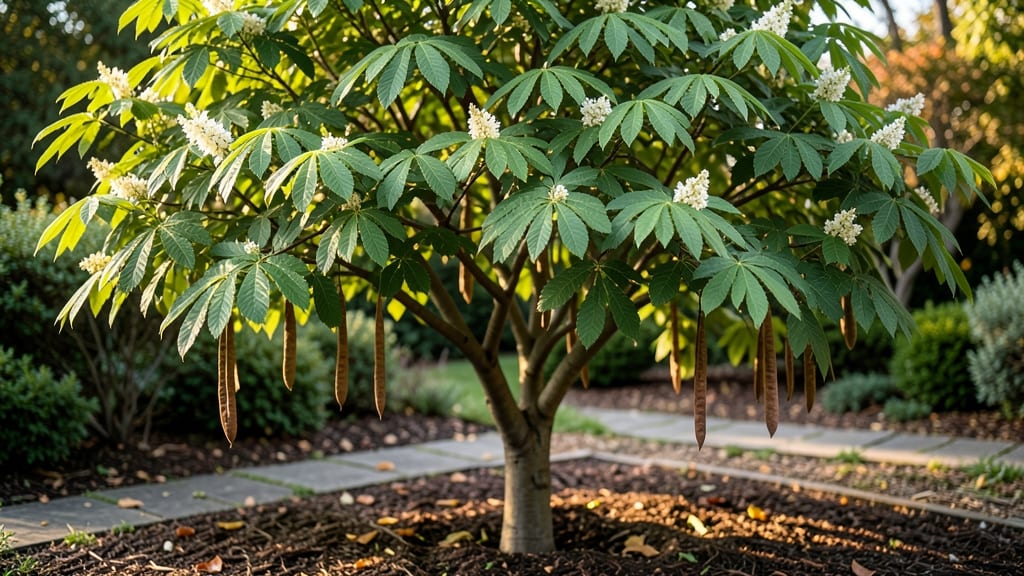
Harvesting Japanese pagoda tree seed pods at the right moment transforms a messy fall cleanup into a rewarding gardening project. 🌿 These distinctive, papery pods hold the key to growing your own stunning ornamental tree—and the process is simpler than you’d think, once you know the timing and techniques.
The secret starts with patience: wait until the pods turn brown and crispy in late fall, then gently collect them before they split open. A single tree produces enough seeds to plant dozens of saplings, and with proper storage, you’ll have viable seeds ready for spring planting.
I’ve grown mine from seed for years, and the first flush of bright green leaves always feels like a small victory. Once cleaned and dried, these seeds stay potent for up to two years when stored in a cool, dark place.
The germination process is slow but steady—expect sprouts in 4-8 weeks with consistent moisture and warmth. What makes this tree special is its striking, layered branches and vibrant fall color, making it a standout in any landscape.
Whether you’re expanding your collection or just love the challenge of growing from seed, this method gives you control over your tree’s future. Let’s get those pods harvested and ready for planting!
📚 In This Guide
- What you need
- Instructions
- Tips and common mistakes
- Wrapping up and next steps
What you need
- ● Japanese pagoda tree seed pods: Harvest only fully mature pods (brown, dry, and slightly papery—usually late summer to fall). Aim for 10–20 pods per batch (adjust based on storage goals).
- ● Pruning shears or sharp scissors: Bypass pruners (for clean cuts) or sterilized scissors to avoid damaging pods.
- ● Paper bags or breathable fabric sacks: 1–2 brown paper lunch bags (or muslin sacks) per 5–10 pods to allow airflow.
- ● Labeling tags & permanent marker: For tracking harvest dates and pod viability.
- ● Dry, well-ventilated storage space: A cool (50–65°F), dark area like a basement, garage, or seed storage box.
- ● Desiccant packets: Place 1–2 silica gel packs in storage containers to absorb excess moisture.
- ● Glass jars with tight lids: For long-term storage (ensure pods are completely dry first!).
- ● Fine-mesh sieve: To sift out debris if you plan to clean seeds for planting.
- ● Humidity monitor: A small digital hygrometer (under $15) to track storage conditions (ideal: <30% humidity).
- ● Gloves: Lightweight gardening gloves to protect hands from pod fibers.
How to harvest and store Japanese pagoda tree seed pods
Here's how I collect and preserve these seeds so they stay viable for months—no special tools needed.
🌱 Step 1: Identify and Collect Mature Seed Pods
Wait until the seed pods turn a deep, papery brown and begin splitting open naturally—this usually happens in late fall after the first frost. The pods will rattle when shaken, signaling it's time to harvest. I like to collect them on a dry day when humidity is low, as damp pods can mold during storage.
Gently twist each pod to release the seeds inside. Avoid crushing them—they're delicate and need to stay intact. Place the pods in a paper bag and let them dry further indoors for 24-48 hours before opening completely. This extra drying step prevents premature sprouting during storage.
💧 Step 2: Clean and Separate the Seeds
Spread the dried pods on a clean towel and gently rub them between your palms to release the seeds. A small mesh strainer helps catch any remaining chaff. Japanese pagoda tree seeds are tiny and flat, so I use a fine-tooth comb to separate them from debris. You'll want 4-6 clean seeds per planting for best results.
Check for viability by placing a few seeds in a glass of water. Good seeds will sink immediately—floaters are empty or damaged. Store only the sunk seeds in a small envelope or airtight container. Label it with the harvest date—seeds lose viability after 12 months if not refrigerated.
☀️ Step 3: Dry and Store for Long-Term Viability
Spread the clean seeds on a paper towel in a single layer and place them in a warm, dry spot for 3-5 days. This final drying step ensures moisture won't trigger early germination. I keep them in a low-humidity area (like a seed drawer) until fully dry—you'll know they're ready when they feel slightly crisp to the touch.
Transfer the dried seeds to a small airtight container with a silica gel packet to absorb any lingering moisture. Store them in the refrigerator (not freezer) where they'll stay viable for up to 2 years. Check the container monthly for signs of mold—if you see any, re-dry the seeds immediately.
⏰ Step 4: Plant or Refrigerate for Future Use
If planting right away, soak the seeds in warm water for 12 hours to soften the hard outer shell. Sow them ¼ inch deep in well-draining soil and keep the surface moist until germination, which typically takes 2-4 weeks. A heat mat helps speed this process along in cooler climates.
For long-term storage, return the seeds to the refrigerator after planting. I like to keep a small batch at room temperature for immediate use while storing the rest cold. This way, I always have fresh seeds ready when spring arrives—no last-minute scrambling for replacements.
Tips & tricks for perfect Japanese pagoda tree seed pod harvesting
These simple strategies will help you preserve those delicate seeds for planting later—no guesswork involved.
Timing Secret: Harvest pods on a dry, sunny morning after frost—this gives them time to fully mature overnight. The pods will rattle when shaken, but if they're still green or sticky, wait another week. I've learned the hard way that damp pods mold during storage, so always prioritize dry conditions.
Handling Technique: When releasing seeds in Step 2, work over a clean white towel—it makes spotting debris much easier. The tiny seeds stick to everything, so I use a soft paintbrush to gently coax them from crevices. This extra care ensures you're only storing the cleanest seeds for maximum viability.
Storage Wisdom: For the 3-5 day drying period in Step 3, place seeds in a warm spot near a sunny window but avoid direct sunlight, which can overheat them. I keep them in a small cardboard box with ventilation holes punched in the sides—this maintains airflow while preventing moisture buildup.
Viability Check: The water test in Step 2 is your best quality control. If more than 20% of seeds float, there might be an issue with your harvest—consider collecting fresh pods. I always test a fresh batch of seeds whenever I'm unsure about storage conditions.
Pro Tips for Japanese Pagoda Tree Seed Pods
- These simple strategies will help you preserve those delicate seeds for planting later—no guesswork involved.
- Timing Secret: Harvest pods on a dry, sunny morning after frost—this gives them time to fully mature overnight.
- Handling Technique: When releasing seeds in Step 2, work over a clean white towel—it makes spotting debris much easier.
Frequently asked questions
about Japanese pagoda tree seed pods—because growing these stunning trees shouldn’t come with a side of confusion! Here’s what you need to know before harvesting, storing, or troubleshooting.When is the best time to harvest Japanese pagoda tree seed pods?
The ideal time is late fall to early winter (November–January), when the pods turn brown and dry but haven’t yet split open. Harvesting too early may yield unripe seeds, while waiting too long risks losing them to birds or wind. Pro tip: Tap a pod—if it rattles, it’s ready!
How do I store seed pods long-term without losing viability?
Store pods in a cool (35–45°F), dry place (like a fridge or seed vault) in a breathable paper bag or mesh container. Avoid plastic—it traps moisture and mold. Seeds can stay viable for 1–2 years if kept dry. Bonus: Label pods with the harvest date!
What if my seed pods won’t open naturally? Can I force them?
If pods are stubborn, place them in a paper bag and shake gently for a few days—the movement mimics wind and encourages opening. For stubborn cases, soak pods in lukewarm water for 24 hours, then dry them. Warning: Avoid heat or force—it can damage seeds!
Are there alternative trees with similar seed pods for landscaping?
Yes! Try Katsura tree (Cercidiphyllum japonicum) (fragrant pods) or Hornbeam (Carpinus spp.) (small, decorative pods). Both offer year-round interest and are low-maintenance. Check local nurseries for climate-matched options!
Why are birds eating my seed pods before I can harvest them?
Birds adore the seeds—use netting (1/4-inch mesh) over branches to block access while allowing pods to dry. Harvest pods as soon as they’re brown, or try hand-picking ripe pods daily during peak bird activity (dawn/dusk). Quick fix: Hang a shiny old CD nearby to distract them!
Can I grow Japanese pagoda trees from store-bought seeds, or do I need wild pods?
Store-bought seeds work fine but may take 2–3 years to mature. Wild pods often germinate faster (1–2 years) because they’re fresh. For guaranteed results, source seeds from reputable nurseries or local arboretums.
Wrapping up and next steps
The Japanese pagoda tree’s seed pods are a gardener’s hidden gem—packed with ease of harvesting and long-term storage potential! Whether you’re preserving them for propagation or simply admiring their unique beauty, these pods offer a stress-free way to extend your gardening joy year-round. 🌿
Now that you’re armed with the right tools, timing, and techniques, why not take the next step? Try harvesting a batch of pods this season, experiment with storage methods, or even share your findings with fellow plant enthusiasts. Your garden—and future saplings—will thank you! 🌱