
Lawn
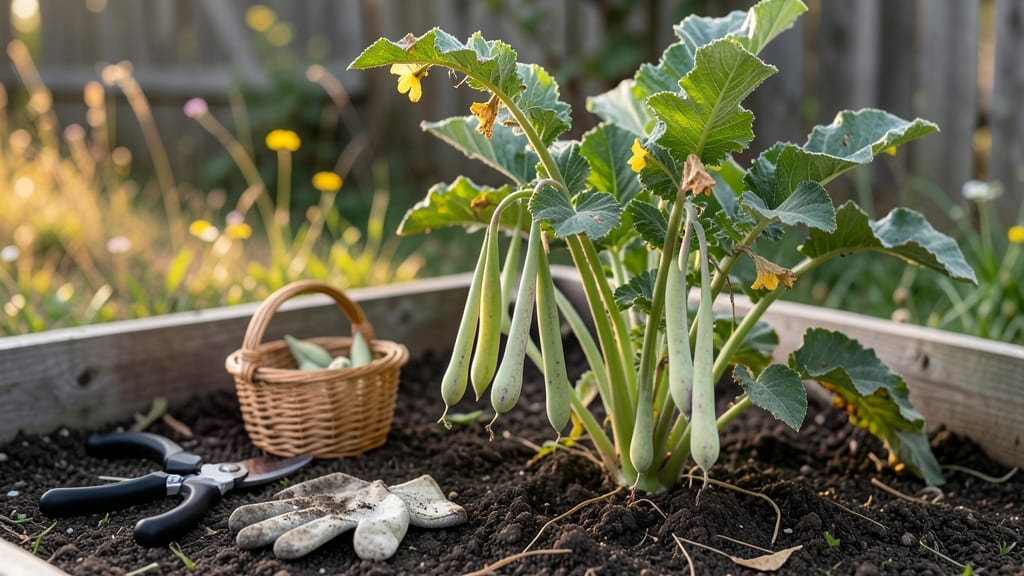
Saving turnip seeds from those papery pods is easier than you think—and it’s the secret to growing your own heirloom varieties year after year. 🌱 I’ve harvested seeds from my garden for five seasons now, and once you see how simple it is, you’ll never buy turnip seeds again.
The key is knowing exactly when those pods are ready, then storing them properly to keep them viable through winter.
Mature turnip seed pods turn from bright green to a dry, tan color—almost like crumpled paper—when they’re ready. You’ll want to harvest them on a dry day, then let them dry completely indoors for a week or two before cracking them open.
A single pod holds dozens of tiny, dark seeds that store beautifully in a cool, dark place for up to five years.
When you’re ready to plant, soak the seeds overnight to speed up germination, then scatter them in well-drained soil. Within 7-10 days, you’ll see those first little sprouts pushing through—proof that your homegrown seeds are working just as well as store-bought.
The best part? You’ll end up with turnips that match your garden’s exact conditions, meaning better flavor and hardier plants.
This method works for any turnip variety, from mild white globe to spicy Japanese greens. Whether you’re a seasoned gardener or just getting started, saving seeds is a game-changer for next year’s harvest. Let’s get those pods dried and stored!
📚 In This Guide
- What you need
- Instructions
- Tips and common mistakes
- Wrapping up and next steps
What you need
- ● Mature turnip plants: Choose healthy, disease-free plants with fully developed seed pods (typically 60-90 days post-bloom). Aim for at least 5-10 plants for a meaningful harvest.
- ● Harvesting tools: Pruning shears or sharp scissors (for clean cuts)
- ● Garden gloves (to protect hands from thorns or rough stems)
- ● Drying space: Well-ventilated area (e.g., mesh screen, paper bags, or a drying rack)
- ○ Fan (optional, for faster airflow)
- ● Storage containers: Air-tight jars or resealable bags (for short-term storage, up to 6 months)
- ● Vacuum-sealed bags (for long-term storage, up to 1 year)
- ● Labeling tags (to track harvest dates and varieties)
- ● Desiccant packets (for extra moisture control in storage)
- ● Food dehydrator (for accelerated drying, if pods are damp)
- ● Spray bottle with water (to gently mist pods during drying, if needed)
How to harvest turnip seed pods for long-term storage
Here's the simple method I use to collect turnip seeds that stay viable for years.
🌱 Step 1: Identify and Select Mature Seed Pods
Turnip seed pods mature when they turn from green to a dry, papery brown color—about 90-120 days after planting. I look for pods that rattle when shaken; this means the seeds inside are fully developed. Avoid any pods with holes or signs of pest damage, as those won't produce good seeds.
Harvest on a dry day when the pods are fully mature but before they split open on the plant. Use clean, sharp scissors or pruning shears to cut the entire seed stalk, leaving about 2 inches of stem attached. This helps prevent seed loss during drying.
🪴 Step 2: Dry the Seed Pods Properly
Lay the harvested seed pods in a single layer on a clean, dry surface—like a mesh screen or paper towels—in a warm, dry place with good air circulation. I place mine in a well-ventilated room with indirect sunlight. Avoid direct sun, which can cause the pods to overheat and crack open prematurely.
Check the pods daily. They're ready when they're completely dry and brittle to the touch, which usually takes 7-14 days. If humidity is high, drying may take longer. Store the pods in a paper bag in a cool, dry place until you're ready to process the seeds.
✂️ Step 3: Extract Seeds From the Pods
Once fully dry, rub the seed pods between your hands or use a clean cloth to gently break them apart. The seeds will naturally separate from the pod material. I like to do this outside or over a large tray to catch any stray seeds. Be patient—some pods may need a little more pressure, but avoid crushing the seeds.
Sift the seeds through a fine mesh sieve to remove any remaining pod debris or chaff. The good seeds will be plump and uniform in size. Discard any shriveled or discolored seeds, as they won't germinate well. Store the clean seeds in a sealed, airtight container in a cool, dark place.
💧 Step 4: Test Seed Viability Before Storage
Before storing your seeds long-term, test a small batch to ensure they're viable. Place 10 seeds on a damp paper towel in a sealed plastic bag. Keep them in a warm spot (around 70°F) and check daily. If 70% or more of the seeds sprout within 7-10 days, your batch is good to store.
If germination rates are low, your seeds may need additional drying time or weren't fully mature when harvested. Store only the viable seeds in a labeled, airtight container with a desiccant packet to absorb moisture. Properly stored turnip seeds can remain viable for 3-5 years.
⏰ Step 5: Label and Store for Next Season
Label your seed containers with the variety name and harvest date. I also note the germination test results so I know which seeds to use first. Store the containers in a cool, dry place—like a basement or refrigerator—where temperatures stay between 32-40°F and humidity is low.
Check your stored seeds every 1-2 years to test viability again. If germination drops below 50%, it's time to replant that variety. This simple storage method ensures you'll always have fresh, high-quality turnip seeds for your garden.
Tips & tricks for perfect turnip seed pod harvesting
These little tricks will help you maximize your seed yield and keep them viable for years to come.
Timing is Everything: The 90-120 day window for harvesting is critical—don't rush it! I've learned the hard way that harvesting too early means immature seeds that won't germinate. Watch for that papery brown color and the telltale rattle when you shake the pods. If you miss the window, the pods will split open and scatter seeds all over your garden. Harvest on a dry morning when dew has evaporated to prevent moisture from getting trapped in the pods.
Drying Strategy: That 7-14 day drying period can feel like forever, but patience pays off. I've found that placing the pods on a mesh screen over a cardboard box creates perfect airflow while keeping them off damp surfaces. If your kitchen is particularly humid, consider using a small fan on low setting to circulate air. The goal is complete dryness—if any moisture remains, it can cause mold or reduce viability. Test dryness by gently bending a pod; if it snaps cleanly, it's ready.
Seed Viability Test: The 70% germination rate in 7-10 days is your quality benchmark. I always test a small batch before committing to full storage. Place your 10 seeds between damp paper towels in a sealed bag—this creates the perfect humid environment for germination. Keep them at that warm 70°F spot (like on top of your fridge) and check daily. If fewer than 7 seeds sprout, your batch needs more drying time or wasn't fully mature when harvested.
Storage Secrets: That cool 32-40°F range is non-negotiable for long-term storage. I keep my seeds in the back of my refrigerator where it's consistently cool and dark. The desiccant packets are worth every penny—they absorb any moisture that might sneak in. Labeling with both the variety name and harvest date is a game-changer when you're deciding which seeds to use first. I've had seeds from my first harvest still viable after 4 years, and that's the magic of proper storage.
Pro Tips for Turnip Seed Pods
- These little tricks will help you maximize your seed yield and keep them viable for years to come.
- Timing is Everything: The 90-120 day window for harvesting is critical—don't rush it!
- Drying Strategy: That 7-14 day drying period can feel like forever, but patience pays off.
Frequently asked questions
Got questions about harvesting and storing turnip seed pods? You’re not alone! Here are some of the most common queries—plus quick, practical answers to keep your garden thriving.
When is the best time to harvest turnip seed pods?
Harvest turnip seed pods when they’re fully mature but before they split open and scatter seeds. This usually happens in late summer to early fall, depending on your climate. Look for pods that turn from green to brown and feel dry to the touch. Early morning harvests prevent humidity-related spoilage.
How do I know if my turnip seed pods are viable for replanting?
Viable seeds should be plump, firm, and free of cracks or mold. Conduct a simple float test: Drop a handful of seeds in water. Viable seeds sink; floaters are likely non-viable. Store pods in a cool, dry place (like a breathable paper bag) to maintain freshness for up to 2 years.
Can I use turnip seed pods for anything other than planting?
While seeds are the primary goal, the pods themselves can be composted (they break down quickly) or used as a natural mulch. Just avoid composting if they’re diseased. For culinary use, turnip greens are edible—just don’t confuse the pods with the root vegetable!
Why are my turnip seed pods cracking open before harvest?
Overripe pods or drought stress often cause premature splitting. To prevent this, harvest regularly and keep plants well-watered (but not soggy). If pods crack early, collect seeds immediately and dry them indoors on a screen. Store them in an airtight container to avoid future issues.
Are there alternatives to growing turnips from seed pods?
Yes! If you’re short on time, buy certified organic turnip seeds from a nursery. For a no-seed option, try growing turnip greens from store-bought roots (place the root in water, and greens will regrow). Just note: Seed pods are the most reliable method for true-to-type varieties.
Wrapping up and next steps
Harvesting turnip seed pods doesn’t have to be a daunting task—with the right tools and techniques, you can enjoy a stress-free, year-round supply of fresh seeds! Whether you’re a seasoned gardener or just starting out, these pods offer a reliable and sustainable way to grow turnips again and again. 🌱
Ready to take the next step? Start by planting a few pods this season and experiment with storage methods to find what works best for your climate. Happy gardening—and may your turnip harvests thrive! 🌟