
Lawn
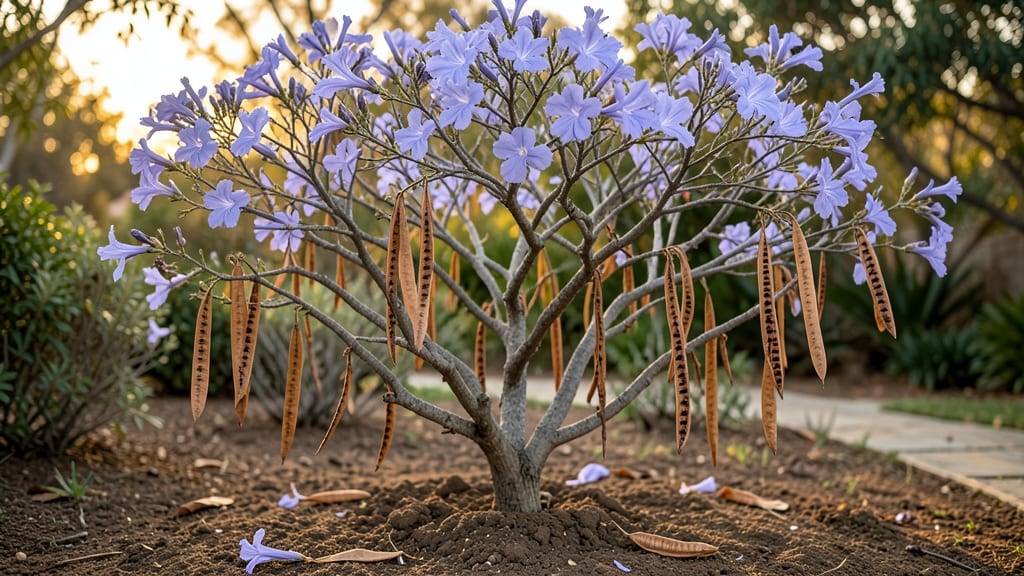
Harvesting jacaranda seed pods turns your backyard into a nursery for these stunning trees. 🌿 The key is timing—collect pods when they turn brown and split open naturally, usually in late summer or early fall, before they scatter seeds everywhere.
You'll need basic supplies: gloves (those pods have sharp edges), a bucket, and a dry, well-ventilated area. After collection, spread the pods out to dry completely—this prevents mold and ensures better germination rates. Once fully dry, crack them open to reveal the flat, papery seeds inside.
Germination takes patience but pays off with fast-growing seedlings. Plant seeds in a light, well-draining mix, keep them barely moist, and expect sprouts in 2-4 weeks if kept warm (70-75°F).
The real magic happens when you transplant them outdoors after the last frost—they grow 3-5 feet in their first year with proper care. This method works year-round if you store dried seeds in a cool, dry place.
Just remember: jacarandas love full sun and hate soggy soil, so plan your planting spot carefully. Here's how to make it work!
📚 In This Guide
- What you need
- Instructions
- Tips and common mistakes
- Wrapping up and next steps
What you need
- ● Jacaranda seed pods: 1–5 lbs (freshly fallen or hand-harvested; aim for fully dried, brown pods for best results).
- ● Pruning shears or small hand pruners: 1 pair (for trimming pods from branches if needed; bypass pruners work best for clean cuts).
- ○ Garden gloves: 1 pair (nitrile or leather; optional but recommended to protect against thorns and sap).
- ● Large cardboard boxes or breathable mesh bags: 2–3 (for collecting pods; avoid plastic to prevent moisture buildup).
- ● Newspaper or paper towels: 1–2 sheets (for drying pods indoors if needed).
- ● Small paintbrush or soft cloth: 1 (for gently removing seeds from pods).
- ● Paper envelopes or airtight containers: 3–5 (for seed storage; label each with the harvest date).
- ○ Desiccant packets (optional): 1–2 (silica gel or rice; place in storage containers to absorb excess moisture).
- ● Permanent marker: 1 (for labeling storage containers).
- ● Timing: Harvest pods when they’re fully brown and dry (typically late summer/fall) for maximum seed viability. 🌞
- ● Safety first: Wear gloves and eye protection if harvesting from tall trees—jacaranda thorns are no joke! 🛡️
- ● Storage space: Ensure a cool, dry place (like a basement or pantry) with consistent temperatures (ideally <60°F/15°C).
- ○ Seed testing (optional): Germinate a few seeds before bulk storage to check viability (soak in water for 24 hours, then plant in soil).
How to harvest and store jacaranda seed pods for long-term germination
Here's the simple, foolproof method I use to collect and store jacaranda seeds that stay viable for years.
🌱 Step 1: Identify and Harvest Ripe Seed Pods
Jacaranda pods turn from green to a papery brown when fully mature—this is your cue they're ready. Gently twist the pods from the tree (no need to cut) and place them in a paper bag to catch any seeds that might fall out. Harvest in the morning when humidity is low to prevent mold.
Look for pods that are dry and brittle to the touch. If they crack open easily when squeezed, they're past their prime and seeds may already be scattered. I like to harvest a few pods each week during peak season to ensure I get the freshest, most viable seeds.
🪴 Step 2: Extract and Clean the Seeds
Spread the harvested pods on a clean, dry towel or screen. The pods will naturally open as they dry, releasing the winged seeds inside. Use a small hand fan or place them in a warm, dry spot to speed up the process—just avoid direct sunlight which can overheat the seeds.
Once the pods are completely empty, gently separate the seeds from any remaining pod fragments by hand. Discard any seeds that appear shriveled, discolored, or damaged. Store the clean seeds in an envelope or small paper bag until you're ready for the next step.
☀️ Step 3: Dry and Store for Long-Term Viability
Place the clean seeds in a single layer on a mesh screen or paper towel in a warm, dry location with good air circulation. Let them dry for 7-10 days until they feel completely dry to the touch—no moisture should remain. This step is critical to prevent mold and maintain seed viability.
Once fully dry, transfer the seeds to an airtight container like a glass jar or sealed plastic bag. Add a small packet of silica gel or a moisture absorber to keep humidity low. Store the container in a cool, dark place like a pantry or refrigerator. When stored properly, jacaranda seeds can remain viable for 3-5 years or longer.
💧 Step 4: Prepare Seeds for Planting When Ready
When you're ready to plant, remove the seeds from storage and soak them in lukewarm water for 12-24 hours to soften the seed coat. This step mimics natural rainfall and helps break dormancy. After soaking, plant the seeds ½ inch deep in well-draining soil, keeping it consistently moist but not soggy.
Jacaranda seeds germinate best in warm conditions (70-80°F). Place the container in a bright, indirect light spot until sprouts appear, which typically takes 2-4 weeks. Avoid transplanting seedlings until they have at least 3-4 sets of true leaves—jacarandas are sensitive to root disturbance.
Tips & tricks for perfect jacaranda seed pod harvesting
Here's what nobody tells you about keeping your jacaranda seeds viable for years—these tricks make all the difference.
Timing is Everything: Harvest pods in the morning when dew is present but humidity is still low. This gives seeds a head start drying without risking mold from evening moisture. I've found that pods harvested after rain often contain seeds that've already started to sprout inside—always check for this before processing.
Speed Up Drying Without Risk: For Step 3's drying process, I use a small electric fan on low setting pointed at the seeds while they sit on the screen. This creates gentle airflow without creating a breeze that could scatter them. The 7-10 day drying window is critical—seeds need time to reach complete dryness, but don't let them sit too long or they may lose viability.
Storage Wisdom: When storing your dried seeds in airtight containers, I recommend adding a small packet of silica gel along with a few uncooked rice grains. The rice absorbs excess moisture while the silica gel provides that extra protection. Place a small piece of masking tape on the container lid and write the date—this helps track viability over those 3-5 years.
Pre-Planting Prep: For that 12-24 hour soaking in Step 4, I use distilled water instead of tap water. Tap water often contains chlorine and minerals that can affect seed germination. If you must use tap water, let it sit uncovered in a container for 24 hours before using to allow chlorine to dissipate. The lukewarm temperature is important—too hot can damage the seeds, while cold water won't properly soften the seed coat.
Pro Tips for Jacaranda Seed Pods
- Here's what nobody tells you about keeping your jacaranda seeds viable for years—these tricks make all the difference.
- Timing is Everything: Harvest pods in the morning when dew is present but humidity is still low.
- Speed Up Drying Without Risk: For Step 3's drying process, I use a small electric fan on low setting pointed at the seeds while they sit on the screen.
Frequently asked questions
Got questions about jacaranda seed pods? You’re not alone! Here are some of the most common concerns—and their answers—to help you navigate harvesting, storage, and even troubleshooting like a pro.
When is the best time to harvest jacaranda seed pods?
Harvest pods when they turn brown and papery (usually late summer to early fall) but before they split open. Overripe pods release seeds too quickly, reducing viability. Aim for a dry, sunny day to speed up drying—just avoid rain or humidity, which can spoil your harvest.
How do I store harvested jacaranda seed pods long-term?
Store pods in a cool, dry place (like a sealed container with silica gel) or dry them further in the sun for 2–3 days first. Viable seeds stay good for 1–2 years if kept away from moisture. Label your container with the harvest date to track freshness!
What if my pods are infested with pests or mold?
Discard any pods with visible holes, webbing, or fuzzy growth—these are signs of beetles or mold. To prevent issues, harvest early, avoid damp pods, and store them in mesh bags (not airtight containers) for airflow. A quick vinegar spray (1:3 ratio) can disinfect surfaces before storage.
Can I use jacaranda seed pods for anything other than planting?
Dried pods make rustic decorations (wreaths, centerpieces), natural confetti for events, or even eco-friendly packing material. Just ensure they’re completely dry to avoid mold. For planting, soak seeds overnight to soften the hard shell before sowing.
Why aren’t my jacaranda seeds germinating?
Seeds need warmth (75–85°F) and moisture to sprout. Try stratification (mix seeds with damp sand, refrigerate 4–6 weeks), then plant in well-draining soil. Slow germination (weeks to months) is normal—patience is key! Pro tip: Use a heat mat to mimic tropical conditions.
Wrapping up and next steps
Jacaranda seed pods may seem like a seasonal nuisance, but with the right techniques, they can become a year-round resource for your garden! 🌱 From harvesting to storage, these pods offer an easy way to propagate new trees or add organic matter to your soil.
Whether you're a beginner or a seasoned gardener, the process is simpler than you think—just follow the steps, and you’ll be ready to turn those fallen pods into something useful.
Ready to give it a try? Start small—collect a few pods this season, experiment with storage methods, and watch your garden thrive with homegrown jacarandas! 🌿