
Lawn
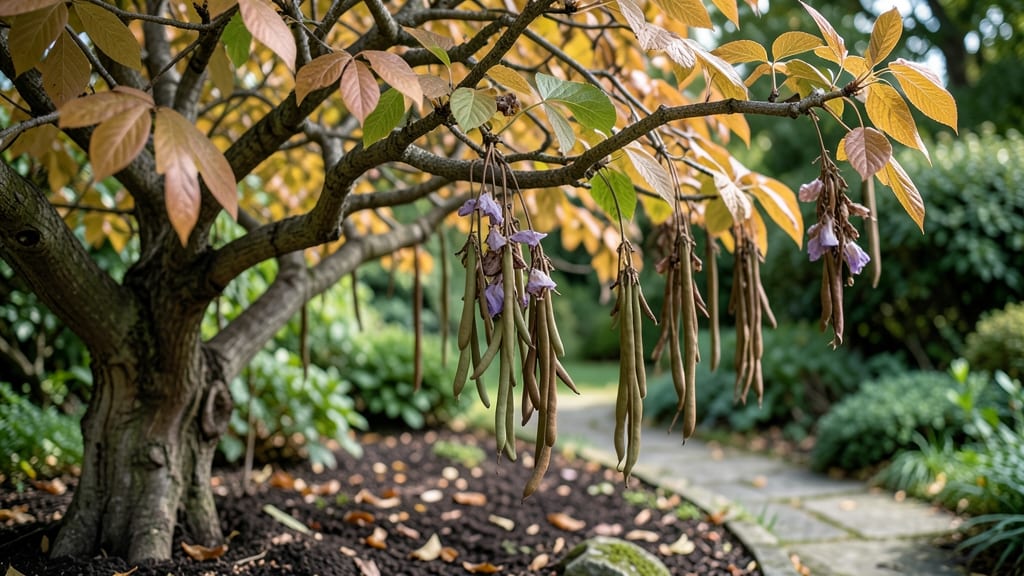
Harvesting vine seed pods means turning last year's garden into next year's lush vines—no store-bought plants required. 🌱 The trick is knowing when to collect them (fully brown and dry but before they split open) and how to store the seeds so they stay viable for months.
I've grown wisteria, grapevines, and passionflower from saved seeds, and the process is simpler than most gardeners think.
You'll need basic supplies: a bowl for collecting pods, paper bags for drying seeds, and a cool, dry spot for storage. Most vine seeds need stratification—a cold period—to break dormancy, but some like passionflower germinate quickly in warm soil.
The key is patience; some seeds take 6-12 months to sprout, but the wait pays off with vigorous, homegrown vines.
By spring, you'll see tiny shoots pushing through the soil, ready to climb trellises or sprawl across fences. The best part? These plants grow faster and stronger than nursery-bought ones because they're adapted to your local climate. Plus, you'll save money and avoid the disappointment of weak store-bought starts.
Works for any vine species—just adjust the drying and storage times. Here’s how to do it right the first time, without losing seeds to mold or premature sprouting.
📚 In This Guide
- What you need
- Instructions
- Tips and common mistakes
- Wrapping up and next steps
What you need
- ● Vine seed pods: Harvest ripe, dry pods (color varies by species—think brown, tan, or deep purple). Aim for 100–200 pods for a small batch or 500+ for bulk storage.
- ● Pruning shears or sharp scissors: Bypass pruners (for clean cuts) or sterilized scissors to avoid damaging pods.
- ○ Glove (optional but recommended): Nitrile or leather gloves to protect hands from thorns (e.g., grapevine pods) or sap.
- ● Large breathable bags: Paper or mesh bags (10–15 gallons) for air circulation during drying. Avoid plastic to prevent mold.
- ● Drying rack or screen: A wire mesh tray (18"x24") or hanging screen for pods to dry evenly. Elevate 1–2 inches off the ground.
- ● Food-safe storage containers: Glass jars with lids: Quart-sized for small batches (50–100 pods).
- ● Vacuum-sealed bags: Mylar or heavy-duty for long-term storage (500+ pods).
- ● Labeling supplies: Waterproof tape + markers to label pods with species, harvest date, and storage method.
- ● Dehumidifier or silica gel packets: For extra-dry climates or humid regions (place 2–3 packets in storage containers).
- ● Seed viability test kit: Paper towels + ziplock bags to test germination rates before storage.
- ● Sunlight or grow light: If drying indoors, a UV-safe lamp (12–16 hours/day) speeds up the process.
- ● Notebook or app: Track pod maturity stages (e.g., color changes, seed rattling) for future reference.
Step-by-step guide to harvesting vine seed pods for storage
Here’s how I collect, dry, and store vine seed pods so they remain viable for next year’s garden.
🌿 Step 1: Identify and Harvest Mature Seed Pods
Wait until pods turn brown and papery—this signals full maturity and maximum seed viability. Gently twist or cut pods from the vine with clean pruners to avoid damaging stems. I harvest on a dry, sunny morning when humidity is low, as excess moisture speeds up spoilage.
Collect pods in a paper bag (not plastic) to allow airflow. If pods still feel soft or green, leave them longer—immature seeds won’t germinate. A quick tug test works: if the pod resists, it’s not ready. Store harvested pods in a shady, dry spot for up to 24 hours before processing.
☀️ Step 2: Dry Pods Thoroughly Before Opening
Spread pods in a single layer on a wire rack or clean towel in a well-ventilated area out of direct sunlight. Aim for 7-10 days of drying, checking daily for mold or dampness. You’ll know they’re ready when pods feel lightweight and brittle—crush one between your fingers to test.
If humidity is high, increase airflow with a small fan on low. Avoid heat sources like radiators, which can scorch seeds. I label each drying tray with the vine type and harvest date—some pods dry faster than others, and you’ll want to process them separately.
✂️ Step 3: Extract and Clean Seeds
Once fully dry, open pods with a small knife or your fingers and empty seeds into a bowl. Discard any discolored, shriveled, or insect-damaged seeds—these won’t sprout. For sticky or fibrous pods, I roll them between my palms to loosen seeds before tapping gently to release them.
Sift seeds through a fine mesh strainer to remove chaff and debris. Store clean seeds in a paper envelope (not plastic) labeled with the vine name, harvest year, and moisture level. A desiccant packet in the envelope prevents future dampness.
🪴 Step 4: Store Seeds for Long-Term Viability
Place sealed envelopes in an airtight container (like a glass jar) and store in a cool, dark place—I use the back of my fridge or a basement shelf where temperatures stay 40-50°F. Test a few seeds annually by planting them in moist potting mix to confirm viability.
Most vine seeds last 2-5 years under these conditions, but some (like morning glories) lose viability faster. If you notice mold, musty smells, or webbing, discard the batch immediately—contaminated seeds won’t germinate and may spread pests.
Tips & tricks for perfect vine seed pod preservation
A few key strategies will ensure your vine seed pods stay viable for years—here's what I've learned from years of trial and error.
Timing Secret: The 24-hour window after harvest is critical for preventing spoilage. If you can't process pods immediately, spread them out on a clean, dry surface in a single layer and place them in a cool, dark spot. This mimics the natural drying process while keeping them safe from mold. I've found that pods harvested in the early morning have the best chance of staying fresh during this waiting period.
Drying Strategy: Those 7-10 days of drying might seem long, but rushing this step is what leads to moldy seeds. I recommend setting up a small fan on low to circulate air without creating drafts—this speeds up drying by about 20% while preventing scorch marks. Place a tray of rice near your drying pods to absorb excess moisture in the air, especially in humid climates. The goal is to reach that brittle, lightweight stage where pods crumble easily between your fingers.
Storage Wisdom: For long-term viability, I've found that glass jars with tight-sealing lids work better than plastic containers. The glass doesn't absorb moisture like some plastics do, and the airtight seal prevents any future humidity from affecting your seeds. Always include a desiccant packet—even if you think your storage area is dry, these packets create an extra moisture barrier that can extend seed life by up to 2 years. Label each jar with the vine type and harvest date using a permanent marker, as labels can fade over time.
Pro Tips for Vine Seed Pods
- A few key strategies will ensure your vine seed pods stay viable for years—here's what I've learned from years of trial and error.
- Timing Secret: The 24-hour window after harvest is critical for preventing spoilage.
- Drying Strategy: Those 7-10 days of drying might seem long, but rushing this step is what leads to moldy seeds.
Frequently asked questions
Got questions about harvesting and storing vine seed pods? You’re not alone! Here are some of the most common inquiries—plus straightforward answers to help you navigate the process like a pro.
When is the best time to harvest vine seed pods for storage?
The ideal time to harvest vine seed pods is when they’re fully mature but not yet dried out—typically in late summer to early fall, depending on your climate. Look for pods that are firm, slightly wrinkled, and starting to turn brown. Harvesting too early can result in underdeveloped seeds, while waiting too long risks them splitting open or attracting pests. Aim for a balance!
How long can I store harvested vine seed pods before they lose viability?
With proper drying and storage, vine seed pods can retain viability for 1–2 years in ideal conditions. Store them in a cool, dry place (like a sealed jar or airtight container with silica gel packets) away from direct sunlight. For longer-term storage, consider freezing them or using a vacuum sealer to extend freshness. Check for moisture or mold regularly—discard any pods that feel damp or smell off.
Are there alternatives to harvesting vine seed pods if I don’t have access to vines?
If you can’t harvest vine seed pods directly, consider these alternatives:
- Buy seeds online: Many specialty seed suppliers sell vine seeds (e.g., kudzu, wisteria, or grapevine) in bulk or packets.
- Check local nurseries: Some carry vine seedlings or cuttings that you can propagate at home.
- Explore native plant swaps: Community gardens or foraging groups often share seeds or cuttings.
What should I do if my harvested pods develop mold or pests?
Mold or pests are red flags—act fast to salvage your harvest! Start by discarding any visibly contaminated pods immediately. For the rest, spread them out in a single layer on a mesh screen or paper towels in a well-ventilated area to dry completely (3–5 days). Once dry, store them in a sealed container with a food-grade desiccant or rice grains to absorb excess moisture. If pests persist, freeze the pods for 48 hours to kill insects or larvae.
Can I reuse vine seed pods for multiple growing seasons?
While the seeds inside can be reused for 1–2 seasons if stored properly, the pods themselves aren’t typically replanted. However, you can:
- Use dried pods as natural mulch or compost material.
- Create ornamental decorations (e.g., wreaths or dried arrangements).
- Extract seeds for craft projects (e.g., seed bombs or art).
Wrapping up and next steps
Harvesting vine seed pods doesn’t have to be a chore—with the right tools and techniques, you can turn this seasonal task into a stress-free, rewarding experience! 🌱 Whether you’re preserving them for gardening or crafting, these pods offer year-round potential when stored properly.
Now that you’re equipped with the materials, answers to common questions, and step-by-step guidance, it’s time to roll up your sleeves and get started.
Ready to transform your vineyard into a sustainable resource? Grab your gloves, a basket, and a sunny day—your next harvest adventure awaits! 🌞