
Lawn
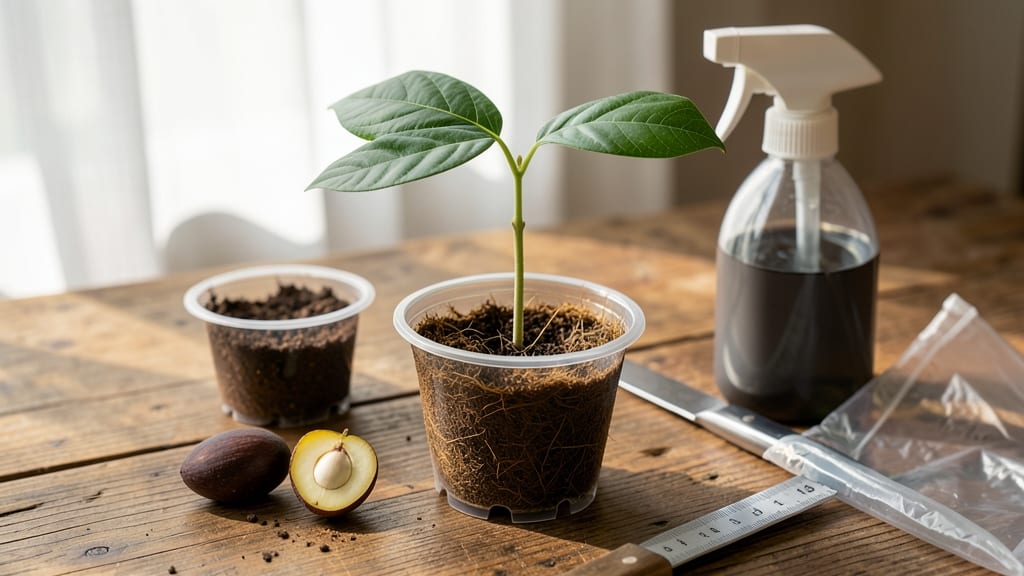
Preparing a mango seed for planting starts with a single, sticky pit that could grow into a tropical treasure—or end up rotting in your compost. 🌱 The key is knowing exactly how to clean, dry, and test that seed before it even touches soil, because a single mistake can mean months of waiting for nothing.
I’ve cracked open dozens of mango pits, and the difference between success and failure often comes down to these first few steps.
You’ll need just a few simple supplies: a sharp knife (or hammer) to crack open the pit, a bowl of water for soaking, paper towels for drying, and a small container with well-draining soil mix. The real secret?
Patience—mango seeds can take anywhere from two weeks to six months to sprout, depending on the variety and conditions. But if you skip the viability check, you might never know if your seed was even alive to begin with.
Once you’ve cleaned and dried the seed, the next step is the float test—drop it in water for 24 hours. If it sinks, it’s viable; if it floats, toss it. A good seed will start sprouting within 1-3 weeks when planted in warm, moist soil, with roots appearing first.
The resulting plant won’t bear fruit for 5-10 years (if ever), but it’ll reward you with glossy, tropical foliage that brightens any yard.
Common pitfalls include overwatering (which causes mold) or planting too deep (which smothers the seed). Keep the soil consistently moist but not soggy, and place the container in a warm spot with bright, indirect light.
Even if germination takes longer than expected, don’t give up—some seeds surprise you with stubborn resilience.
📚 In This Guide
- What you need
- Instructions
- Tips and common mistakes
- Wrapping up and next steps
What you need
- ● Mango seed: 1 fresh, viable seed (preferably from a ripe, organic mango—avoid seeds from store-bought fruit treated with preservatives).
- ● Paper towels or coffee filters: 2-3 sheets (for the viability test).
- ● Plastic bag or airtight container: 1 small (to create humidity for germination).
- ● Small pots or seed trays: 2-3 (4-6 inch diameter, with drainage holes).
- ● Well-draining potting mix: 1 bag (lightweight, organic blend like cactus/succulent mix or add perlite/vermiculite for aeration).
- ● Spray bottle: 1 (for gentle watering).
- ● Ruler or measuring tape: 1 (to track seed growth).
- ● Permanent marker: 1 (to label pots).
- ● Seedling heat mat: 1 (speeds up germination if temperatures dip below 70°F/21°C).
- ● Fertilizer (balanced, low-nitrogen): 1 small bottle (e.g., 5-5-5 or compost tea—wait until sprouts appear).
- ● Grow lights or sunny windowsill: Access to indirect light (6+ hours/day).
- ● Humidity dome or plastic wrap: 1 (to retain moisture during early stages).
- ● Notebook or app: For tracking seed progress (e.g., Gardenate or a simple spreadsheet).
Step-by-Step guide to preparing a mango seed for planting
Here’s how I test and prep mango seeds for the best chance at germination—no fancy tools, just patience and observation.
🌱 Step 1: Extract and Clean the Seed
Start with a fresh, firm mango seed—avoid any that feel soft or hollow inside. I like to peel away the fibrous outer layer by gently rubbing it under warm water until the seed itself is exposed. This removes the protective pulp that can trap moisture and invite mold.
Rinse the seed thoroughly to remove any remaining fruit residue. You’ll notice the seed has a smooth, slightly waxy surface—this is normal. Pat it dry with a paper towel, but don’t scrub it. The natural oils on the seed help protect it during storage, so preserve them.
💧 Step 2: Test for Viability
Fill a glass with water and place the seed inside. A viable seed will sink immediately—if it floats, it’s not worth planting. Let it soak for 24 hours in the water. After this time, check the seed: if it’s still firm and shows no signs of mold or soft spots, it’s ready for the next step.
I know it seems counterintuitive to soak a seed before planting, but this test reveals whether the seed has enough energy to germinate. A seed that stays firm and sinks is your best bet for success. Discard any seeds that develop a foul smell or fuzzy mold during soaking.
☀️ Step 3: Dry and Store Until Planting
After the 24-hour soak, remove the seed and let it dry completely for 2-3 days in a warm, dry place. Spread it out on a paper towel and turn it occasionally to ensure even drying. The goal is to reduce its moisture content so it won’t rot in storage.
Once fully dry, store the seed in a paper envelope (plastic traps moisture and encourages mold). Place it in a cool, dark spot like a pantry or seed drawer. I’ve kept viable mango seeds this way for up to 6 months—just check occasionally for signs of mold or softening.
🌿 Step 4: Prep for Germination
When you’re ready to plant, soak the seed again in warm water for 12 hours before planting. This softens the outer shell and kickstarts the germination process. You’ll see tiny cracks appear in the seed coat—this is your signal that it’s active and ready to sprout.
Here’s the thing—mango seeds can take 2-6 weeks to germinate, depending on temperature and humidity. I like to plant them in a small pot with well-draining soil and keep it in a warm spot (75-85°F) with indirect light. Patience is key—don’t overwater, as soggy soil will drown the seed before it even starts.
Tips & tricks for perfect mango seed preparation
Real talk: I've wasted more mango seeds than I'd like to admit by skipping these simple checks—don't make my mistake!
Seed Selection: In Step 1, when choosing your mango seed, look for one that's plump and heavy for its size. A good seed should feel solid when you tap it gently—if it sounds hollow or feels mushy, it won't germinate. I've found that seeds from fully ripe mangoes (with just a touch of softness) work best, as they've had time to fully develop.
Soaking Strategy: The 24-hour soak in Step 2 is your best indicator of viability. I've learned to check the water every 12 hours during this period—if you see any mold forming or a foul smell developing, remove the seed immediately. After 24 hours, if your seed is still firm and sinks like a stone, you're golden. The key is to keep the water clean by changing it if it gets cloudy from released pulp.
Drying Technique: When drying your seed for 2-3 days in Step 3, don't rush this process. I use a fan on low setting to create gentle airflow around the seed while it dries on my kitchen counter. This helps prevent any moisture pockets that could lead to mold. The seed should feel completely dry to the touch—no dampness at all—and should make a hollow sound when tapped together.
Germination Environment: For the final planting step, I've found that using a clear plastic container with drainage holes works wonders for monitoring progress. Place your pot in a warm spot near a sunny window (but not direct sunlight) to maintain that 75-85°F range mentioned. I like to use a small thermometer to check the temperature—this helps avoid common pitfalls like overheating or chilling that can stall germination.
Pro Tips for Prepare A Mango Seed For Planting
- Real talk: I've wasted more mango seeds than I'd like to admit by skipping these simple checks—don't make my mistake!
- Seed Selection: In Step 1, when choosing your mango seed, look for one that's plump and heavy for its size.
- Soaking Strategy: The 24-hour soak in Step 2 is your best indicator of viability.
Frequently asked questions
Got questions about mango seed planting? You’re not alone! Here are answers to the most common queries to help you grow your own mango tree with confidence.
How long does it take for a mango seed to germinate?
A mango seed typically takes 2–4 weeks to germinate under ideal conditions (warmth, moisture, and indirect light). Some seeds may sprout sooner, while others take longer—patience is key! Keep the soil consistently moist but not soggy to speed up the process.
Can I plant a mango seed directly in the ground?
While possible, it’s best to start seeds indoors (or in a controlled environment) first. Direct planting can expose the seed to harsh weather, pests, or drying conditions. Once the seedling is 6–12 inches tall and sturdy, you can transplant it outdoors for better survival rates.
What if my mango seed doesn’t sprout? How do I troubleshoot?
If your seed isn’t sprouting after 4–6 weeks, try these fixes:
- Check viability: Soak the seed in warm water for 24 hours—if it sinks, it’s likely viable.
- Adjust moisture: Overwatering can rot the seed; underwatering may dry it out.
- Warmth matters: Place the pot near a sunny window or use a heat mat (mango seeds love warmth!).
- Patience pays off: Some seeds take months to germinate—don’t give up!
Will a mango tree grown from seed produce fruit?
Yes, but it may take 5–10 years (or longer) for a seed-grown tree to bear fruit—and the fruit may not match the parent tree’s variety. For faster, predictable results, consider grafting a known cultivar onto your seedling later. If you’re patient, though, homegrown mangoes taste extra sweet!
Can I use any mango seed, or do I need a specific type?
You can use seeds from any ripe, healthy mango, but avoid hybrid or grafted varieties (like those from grocery stores), as they may not produce true-to-type fruit. For best results, save seeds from organic, heirloom, or locally grown mangoes. The fresher the seed, the higher the germination success!
What’s the best temperature for mango seed germination?
Mango seeds thrive in warmth (70–90°F / 21–32°C). If your home is cooler, use a seedling heat mat or place the pot near a sunny window. Avoid drafts or cold spots—consistent warmth mimics tropical conditions and encourages faster sprouting.
Wrapping up and next steps
Preparing a mango seed for planting is a simple yet rewarding process that can bring a touch of tropical beauty to your garden! 🌱 By following these steps—from viability checks to proper drying and storage—you’ll maximize your chances of success.
Remember, patience is key: germination can take weeks, but the wait is worth it when you see those first green shoots.
Now that you’re armed with knowledge, take the next step! Grab a seed, gather your supplies, and start your mango-growing journey. Whether you’re a seasoned gardener or a curious beginner, every seed has the potential to grow into something extraordinary. Happy planting! 🌿