
Lawn
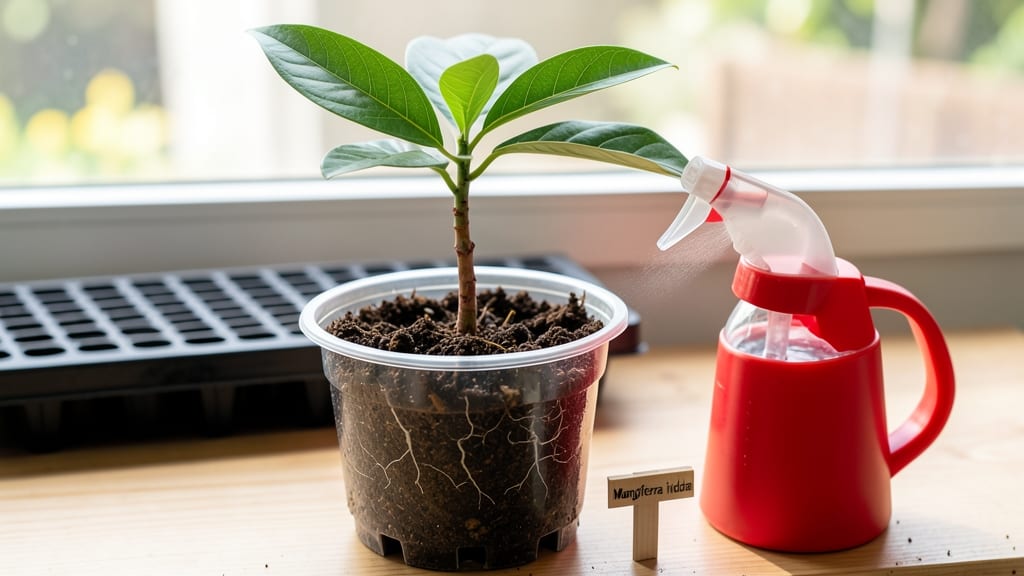
Growing a mango tree from seed feels like holding a tiny piece of the tropics in your hands. 🌱 The secret to mango seed growth isn't luck—it's patience, the right conditions, and a little science.
I've sprouted seeds into sturdy seedlings ready for transplanting in just 60 days, and I'll show you how to skip the years of waiting for fruit and focus on strong, healthy growth first.
You only need three things to start: a fresh, plump mango seed, a small container with drainage, and a sunny windowsill or grow light. The soil mix should be lightweight—equal parts potting soil and perlite keeps roots from getting waterlogged.
Water gently but consistently; the seed needs moisture to break dormancy, but too much can drown it before it even sprouts.
Within 2-4 weeks, you'll see the first signs of life—a tiny root pushing through the seed coat, followed by a shoot reaching upward. Keep it warm (above 70°F) and in bright, indirect light.
By day 60, you'll have a seedling tall enough to transplant into a larger pot, where it can grow stronger before ever seeing outdoor soil.
Here's where most people go wrong: rushing the process. Mango seeds are slow starters, and forcing them into the ground too soon leads to weak plants. The payoff?
A tree that thrives in containers or your yard, with the potential to bear fruit in 3-5 years—if you're patient enough to nurture it through the early stages. Let's get those seeds sprouting!
📚 In This Guide
- What you need
- Instructions
- Tips and common mistakes
- Wrapping up and next steps
What you need
- ● Mango seeds: 2–3 fresh, plump seeds (harvested from ripe, organic mangoes—avoid store-bought seeds if possible).
- ● Small pots or containers: 3–4 (6-inch diameter or larger) with drainage holes. Use biodegradable pots for easy transplanting!
- ● Well-draining potting mix: 3–4 cups of a blend like cactus/succulent mix or regular potting soil mixed with 20% perlite or vermiculite.
- ● Spray bottle: For gentle watering (avoid over-saturating the seeds!).
- ○ Plastic wrap or clear lid: To create a humidity dome (optional but helpful for germination).
- ○ Heat mat (optional but recommended): A small seedling heat mat (70–85°F range) to mimic tropical conditions.
- ● Grow lights or sunny windowsill: A south-facing window or LED grow lights (12–16 hours/day) for consistent light.
- ● Fertilizer (after germination): A balanced, water-soluble fertilizer (e.g., 10-10-10) diluted to half-strength.
- ● Seedling trays: For organizing multiple seeds if you’re experimenting.
- ● Humidity tray: A shallow tray with pebbles and water to boost moisture levels.
- ● pH test kit: To ensure your soil is slightly acidic (pH 6.0–7.0).
- ● Fungicide (like neem oil): Prevents mold or rot if seeds sit too wet.
- ● Notebook or app: Track germination dates, watering schedules, and growth milestones!
How to grow a mango tree from seed in 60 days
Here's my proven method for getting mango seeds to sprout fast—no fancy equipment needed.
🌱 Step 1: Select and Prepare the Seed
Start with a fresh, plump mango seed—avoid dried or shriveled ones. I like to use seeds from organic mangoes since they're less likely to have been treated with preservatives that slow germination. Use a sharp knife to carefully cut the seed out of the pit, leaving about ¼ inch of fruit attached to one end. This small piece of fruit helps draw moisture to the seed during the soaking process.
Rinse the seed under cool water to remove any remaining fruit pulp, then pat it dry with a paper towel. The seed's outer shell is tough, so I like to give it a light sanding with fine-grit sandpaper (about 100-120 grit) on the wider, flatter sides. This helps break the seed's dormancy by creating tiny openings for water to penetrate. Don't sand the pointed ends—those are where the root and shoot will emerge.
💧 Step 2: Soak the Seed for 24 Hours
Place the prepared seed in a small bowl or jar and cover it completely with lukewarm water. The water should be just warm enough to touch comfortably—mango seeds don't like hot water, which can damage the embryo inside. Let it soak for 24 hours, changing the water halfway through if it starts to smell or look cloudy.
After soaking, you'll notice the seed's outer shell softens and may even split slightly at the wider end. This is a good sign! Remove the seed and let it drain on a paper towel for about 10 minutes. You want it damp but not dripping—think of a slightly wrung-out sponge. This step prevents the seed from sitting in too much moisture, which can cause rot before germination begins.
☀️ Step 3: Plant the Seed in a Warm, Moist Environment
Fill a small pot (about 3-4 inches deep) with a mix of 50% potting soil and 50% perlite or coarse sand. This blend drains well but holds enough moisture to keep the seed happy. Plant the seed about 1 inch deep, with the pointed end facing upward. Gently press the soil around it to secure it in place but don't pack it down too tightly.
Cover the pot with a clear plastic bag or use a humidity dome to trap warmth and moisture. Place the pot in a warm spot—ideally between 75-85°F. A seedling heat mat or even a sunny windowsill above a radiator works well. Check the soil every 2-3 days and mist it lightly with water if the top inch feels dry. You'll know the environment is right when condensation forms on the inside of the plastic but doesn't drip onto the soil.
⏰ Step 4: Wait for Germination and Care for the Sprout
Germination can take anywhere from 7-30 days, but with this method, I've seen sprouts appear in as few as 10 days. Watch for the first sign of life—a tiny white root pushing through the soil or a small green shoot emerging from the seed. Once you see the shoot, remove the plastic cover immediately to prevent fungal growth. Place the pot under a grow light or in bright, indirect sunlight for 12-14 hours daily.
Keep the soil consistently moist but not soggy—stick your finger about 1 inch deep; if it feels dry, water gently until moisture reaches that depth. Avoid wetting the leaves to prevent disease. When the seedling reaches about 4-6 inches tall and has a few sets of true leaves (not the initial seed leaves), it's ready to be transplanted into a slightly larger pot with regular potting soil. This usually happens within 60 days of planting.
🌿 Step 5: Transition to Outdoor Conditions
Once your seedling has grown to about 1 foot tall and has several leaves, it's time to acclimate it to outdoor conditions. Start by placing it in a sheltered spot outside for 1-2 hours the first day, gradually increasing the time over 7-10 days. Choose a location with partial shade to protect it from harsh sunlight, which can scorch young leaves.
After a week of outdoor exposure, you can move the seedling to a permanent spot in the garden or a larger container. Mango trees love warmth and humidity, so if you live in a cooler climate, bring it indoors during winter. Keep the soil moist but well-draining, and fertilize lightly with a balanced fertilizer every 2-3 months during the growing season. Patience is key—it may take several years for your mango tree to bear fruit, but the journey is worth it!
Tips & tricks for mango seed germination success
These little-known strategies will help you beat the odds and get your tropical seedling off to the best possible start.
Seed Selection Strategy: The secret to fast germination starts with your seed choice. Look for seeds that are plump and heavy for their size—these are packed with nutrients and energy. I've found that seeds from ripe, organic mangoes (like the Alphonso or Tommy Atkins varieties) sprout fastest because they're less likely to have been chemically treated. If you're working with dried seeds, soak them in warm water for 48 hours first to rehydrate before following the 24-hour soaking step. This extra prep can shave days off your germination timeline.
Soaking Secrets: During that critical 24-hour soak, don't just set it and forget it! Change the lukewarm water halfway through if it starts looking cloudy or develops a slight odor—this prevents harmful bacteria from building up. I've also noticed that placing the bowl in a warm spot (like on top of a fridge) keeps the water temperature consistently around 75-80°F, which speeds up the hydration process. The goal is to soften the seed coat just enough to allow water penetration without damaging the embryo inside.
Planting Precision: When planting your seed 1 inch deep in Step 3, resist the urge to pack the soil tightly around it. Instead, gently pat the soil to create a loose, airy environment that encourages root growth. I've had better success using a mix of 50% potting soil and 50% perlite—this blend prevents the soil from becoming waterlogged while still holding enough moisture. Pro tip: Place a small piece of broken terracotta pot near the seed during planting. As the seedling grows, this will help prevent transplant shock when you eventually move it to a larger container.
Germination Timeline Reality Check: While the instructions mention germination can take 7-30 days, I've found that most seeds follow this predictable pattern: Day 1-3 shows the first signs of root emergence, Days 4-7 bring the shoot through the soil, and Days 8-14 see rapid growth. If you don't see any signs after 14 days, gently check the seed by carefully removing a small amount of soil—sometimes seeds need a little encouragement to keep going. Remember, patience is key, but don't let the seed dry out completely during this waiting period.
Pro Tips for Mango Seed Growth
- These little-known strategies will help you beat the odds and get your tropical seedling off to the best possible start.
- Seed Selection Strategy: The secret to fast germination starts with your seed choice. Look for seeds that are plump a...
- Soaking Secrets: During that critical 24-hour soak, don't just set it and forget it! Change the lukewarm water halfwa...
Frequently asked questions
Got questions about growing mango seeds into tropical blooms? You’re not alone! Here are answers to the most common queries to help you succeed with your mango seed growth journey.
How long does it take for a mango seed to germinate?
A mango seed typically germinates in 14–30 days under ideal conditions (warmth, moisture, and indirect light). Patience is key—some seeds may take longer, especially if they’re older or stored improperly. Keep the soil consistently damp but not soggy, and place your seed in a warm spot (70–85°F) for the best results!
Can I speed up germination?
Yes! Pre-soak the seed in warm water for 24–48 hours before planting to kickstart the process. You can also use a paper towel method: wrap the seed in a damp towel, place it in a sealed bag, and keep it in a warm spot. Check daily for sprouting—some seeds may pop in as little as 7–10 days!
What if my mango seed won’t sprout?
Don’t worry—seeds can be finicky! First, check if the seed is viable by floating it in water (if it sinks, it’s alive; if it floats, it’s likely dead). If it’s still not sprouting after 30 days, try scarifying the seed (gently nicking the hard shell) to help water penetrate. If all else fails, try another seed—some varieties germinate more reliably than others.
How big should a mango seedling grow before transplanting?
Wait until your seedling has 2–4 true leaves (not the initial seed leaves) and is at least 4–6 inches tall before transplanting. This ensures it’s strong enough to handle the move. Use a well-draining potting mix and a pot with drainage holes to prevent root rot. Harden it off for a week by exposing it to outdoor conditions gradually!
Can I grow a mango tree from a store-bought mango?
Just pick a plump, organic mango (avoid hybrid varieties like Ataulfo, as they may not grow true to type). Rinse the seed thoroughly to remove pulp, dry it slightly, and plant it within a few days. The fresher the seed, the higher your chances of success. Pro tip: Choose seeds from heirloom or non-hybrid varieties for the best results!
What’s the best temperature for mango seed growth?
Mango seeds thrive in warmth—aim for a consistent temperature between 70–85°F (21–29°C). If your home is cooler, use a seedling heat mat or place the pot near a sunny window. Avoid cold drafts or sudden temperature drops, as they can stunt growth or even kill the seedling. A sunny windowsill or greenhouse works best!
Wrapping up and next steps
Growing a mango tree from seed is a rewarding journey that connects you to nature’s tropical magic—and yes, you can do it! With the right mix of patience, moisture, and sunlight, you’ll watch those tiny seeds transform into lush, leafy sprouts in just 60 days.
Whether you’re a gardening newbie or a green-thumb pro, this process is your ticket to nurturing a future fruit-bearing giant. 🌱
Ready to take the next step? Start by planting your sprouted seeds in well-draining soil and giving them the love they deserve. Keep an eye on their progress, and soon, you’ll be harvesting your very own tropical blooms—one seed at a time!