
Planting
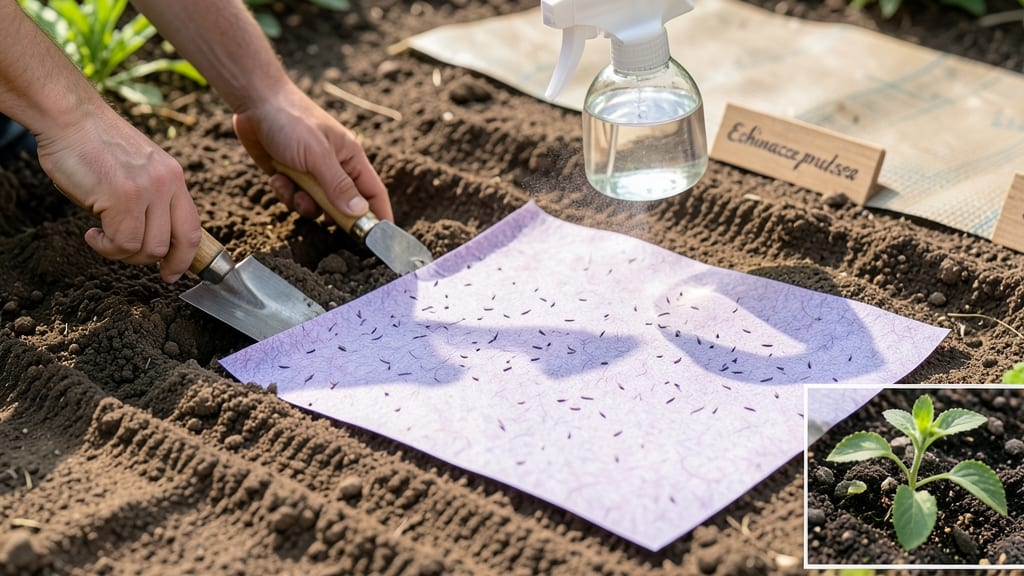
Planting wildflower seed paper transforms blank spaces into vibrant meadows with just a sprinkle of water. 🌸 I’ve planted mine in containers, along fences, and even tucked into cracks in the sidewalk—each time, the results surprise me with bold colors and zero fuss.
The beauty of seed paper lies in its simplicity: no digging, no measuring, just unfold and scatter. You’ll need a sunny spot, a light watering can, and about 10 minutes of your time. The paper dissolves naturally, leaving seeds perfectly positioned for germination.
By late spring, you’ll see delicate blooms attracting bees and butterflies, all while requiring almost no maintenance. Even my black thumb can’t kill these—just water occasionally and watch the magic unfold. Perfect for gardeners who want instant beauty, eco-conscious decor, or a pollinator-friendly boost.
Here’s how to make it happen!
📚 In This Guide
- What you need
- Instructions
- Tips and common mistakes
- Wrapping up and next steps
What you need
- ● Wildflower seed paper – 1 sheet (or multiple, depending on your planting area). Choose a blend suited to your climate (e.g., native wildflower mixes for local ecosystems).
- ● Water – A spray bottle (for fine misting) or a gentle watering can (avoid heavy streams that could wash seeds away).
- ● Garden soil – Well-draining, loose soil (or a small pot if planting in containers). Avoid heavy clay unless amended with compost.
- ● Sunlight access – A spot with 6+ hours of direct sunlight daily (check your seed paper’s care instructions for specifics).
- ○ Optional: A small hand trowel or fork (for loosening soil in larger planting areas).
- ● Compost or organic mulch (to retain moisture and suppress weeds).
- ● Pebbles or decorative stones (to weigh down the seed paper and prevent wind from blowing it away).
- ● Plant labels (if tracking varieties or planting dates).
- ● Check the planting season for your region—most seed papers thrive when planted in early spring or fall (avoid frost or extreme heat).
- ● Prepare the soil by removing weeds or debris (seed paper needs good contact with soil to germinate).
- ● Read the seed paper instructions for any special care (some may require soaking before planting!).
Step-by-Step instructions for planting wildflower seed paper
Here's how to transform your seed paper into a thriving garden—no complicated prep needed.
🌱 Step 1: Choose Your Planting Location
Wildflower seed paper thrives in full sun to partial shade (at least 4-6 hours of sunlight daily). Scan your yard for spots with good drainage—seed paper hates soggy soil. I like to plant mine along fence lines, near patios, or in containers where I can enjoy the blooms up close.
If you're planting outdoors, mark the area with a garden hose to outline where the paper will go. For containers, select pots with drainage holes that are at least 6 inches deep—wildflowers need room for roots to spread. Press the seed paper gently into place, ensuring it stays flat against the soil surface.
💧 Step 2: Water Gently to Activate the Seeds
Water the planted seed paper lightly but thoroughly—just enough to dampen the surface without soaking it. Think of it like misting a freshly planted lawn: the soil should feel moist ½ inch deep, but not saturated. Overwatering can wash away seeds or cause the paper to disintegrate too quickly.
I use a spray bottle for delicate areas (like containers) and a gentle stream from a watering can for larger garden sections. Water in the early morning to allow excess moisture to evaporate before evening. Avoid watering from above once the seeds sprout—direct pressure can damage tender seedlings.
☀️ Step 3: Monitor Moisture and Sunlight
Keep the soil consistently moist (not soggy) for the first 2-3 weeks—this is when seeds germinate and roots establish. You’ll notice tiny green sprouts emerging in 7-14 days, depending on temperature and sunlight. If your area experiences hot, dry spells, water lightly every 2-3 days to maintain moisture.
Once seedlings reach 1-2 inches tall, reduce watering to once every 5-7 days unless your region is experiencing extreme heat. Wildflowers are drought-tolerant once established, but they need consistent moisture to take root. Watch for yellowing leaves—this usually means overwatering, while wilting signals underwatering.
✂️ Step 4: Let Nature Take Over
After the first 4-6 weeks, your wildflowers will start looking like a mini meadow. You can gently trim spent blooms to encourage more flowers, but avoid heavy pruning—wildflowers rely on seed dispersal for growth. If weeds start competing, pull them by hand when the soil is moist (they’ll come out easier).
By late summer or early fall, your seed paper will have transformed into a vibrant, low-maintenance garden. Enjoy the blooms, and if you want to expand, simply plant more seed paper in new spots. The best part? These flowers will self-seed year after year, creating a permanent wildflower display with almost no effort.
Tips & tricks for perfect wildflower seed paper planting
Transforming seed paper into a thriving garden takes just a few thoughtful details—here's how to maximize your success.
Location Intelligence: In Step 1, prioritize south-facing spots for full sun exposure, but avoid areas where water pools after rain. I've found that planting near patios or along fence lines not only creates visual appeal but also makes maintenance easier—you'll be able to see progress daily from your favorite outdoor spot. For containers, choose pots with drainage holes larger than the 6-inch minimum if possible; this prevents root rot during those critical first 2-3 weeks.
Watering Wisdom: When you're activating seeds in Step 2, think of it like giving your paper a gentle shower—not a downpour. The key is maintaining that ½-inch moistness without creating a swampy environment. I've seen beginners overwater because they're eager to help, but soggy paper can actually suffocate seeds. Use the "squeeze test"—if water drips out when you gently squeeze the soil, you're overdoing it.
Germination Timing: The 7-14 day window mentioned in Step 3 can feel like forever, but there's a trick to speed things up slightly. If your climate is cool, place a clear plastic bag loosely over your planted paper (like a mini greenhouse) for the first 3-4 days. This traps warmth and humidity without smothering the seeds. Remove it once you see the first sprouts—just don't let it touch the paper, or you'll risk mold.
Long-Term Strategy: After the 4-6 week mark in Step 4, resist the urge to fertilize. Wildflowers thrive on natural soil conditions, and added nutrients can actually reduce their hardy characteristics. Instead, focus on removing weeds when the soil is damp (they pull out easier) and let nature handle the rest. The self-seeding mentioned in the instructions will create a permanent display—just be patient through that first growing season.
Pro Tips for Plant Wildflower Seed Paper
- Transforming seed paper into a thriving garden takes just a few thoughtful details—here's how to maximize your success.
- Location Intelligence: In Step 1, prioritize south-facing spots for full sun exposure, but avoid areas where water pools after rain.
- Watering Wisdom: When you're activating seeds in Step 2, think of it like giving your paper a gentle shower—not a downpour.
Frequently asked questions
Got questions about planting wildflower seed paper? You’re not alone! Here are some of the most common concerns—and their easy solutions—to help you grow a stunning garden with zero stress.
Can I plant wildflower seed paper in any season?
Wildflower seed paper thrives best when planted in early spring or fall. Avoid extreme heat or frost—ideal temps are between 50°F and 75°F (10°C–24°C). If you must plant in summer, choose a shady spot to prevent drying out. Pro tip: Water lightly for the first week to help seeds establish!
How often should I water seed paper?
Keep the soil consistently moist but not soggy for the first 2–3 weeks. After germination (usually 7–14 days), reduce watering to once a week unless your area experiences drought. Seed paper is designed to dissolve—overwatering can wash seeds away. Let nature take over!
Will wildflower seed paper grow in full sun or shade?
Most seed paper blends prefer full sun (6+ hours daily) for vibrant blooms, but some varieties (like foxglove or columbine) tolerate partial shade. Check your packet for specifics! If planting in shade, expect slower growth and fewer flowers. Test a small patch first to see what thrives.
How long until I see flowers?
Patience is key! Most wildflower seed paper blooms in 6–12 weeks, though some perennials (like black-eyed Susans) may take up to a year. Factors like sunlight, soil, and water affect timing. Bonus: The wait is worth it—your garden will buzz with pollinators!
What if my seed paper doesn’t dissolve or seeds don’t sprout?
Don’t worry—try these fixes:
- Check moisture: Seed paper needs light watering daily until it breaks down (usually 1–2 weeks).
- Test soil contact: Ensure the paper touches the soil directly—no gaps!
- Consider location: Avoid low-lying areas where water pools (seeds can rot).
- Try a backup: Scatter seeds manually if the paper resists dissolving.
If all else fails, replant—wildflowers are resilient!
Wrapping up and next steps
Planting wildflower seed paper is a simple yet rewarding way to bring vibrant blooms and life to your garden—without the fuss! 🌸 With just a little patience and care, you’ll soon enjoy a burst of color that supports pollinators and adds natural beauty.
Now that you’re equipped with the right steps, why not start small? Try a single sheet in a sunny spot this weekend, and let nature do the rest!
Ready to take it further? Experiment with different seed mixes or share the joy by gifting seed paper to fellow gardeners! Your garden—and the bees—will thank you. 🐝✨