
Planting
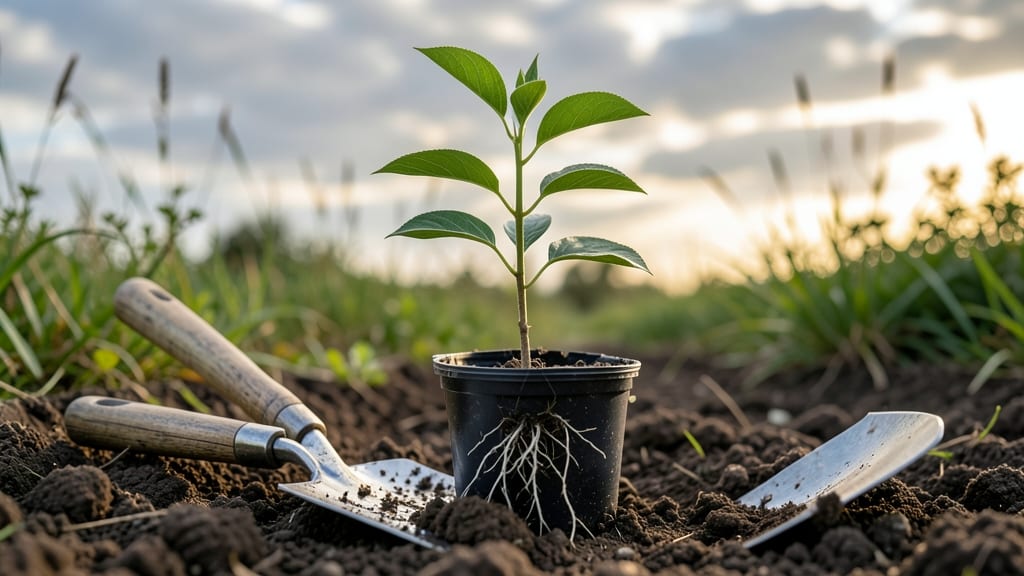
Planting lilac seedlings is the first step to a fragrant garden that lasts for decades—if you get the spacing and sunlight right. 🌿 I’ve learned the hard way that cramming them in too close or planting them in shade means fewer blooms and more stress for the plant.
The secret lies in giving them room to breathe and full sun from morning to early afternoon. Start with well-draining soil mixed with compost—lilacs hate soggy roots—and dig holes twice as wide as the seedling’s root ball but no deeper.
Space them 6 to 10 feet apart (depending on the variety) to prevent overcrowding later. Water deeply right after planting to settle the soil, then taper off to avoid drowning the roots.
Once established, lilacs thrive with minimal fuss—just consistent watering during dry spells and an annual pruning to shape them. Within 3 to 5 years, you’ll have a lush, fragrant hedge that outlasts most garden trends. The key is patience: lilacs grow slowly but reward you with decades of blooms.
This method works year-round in mild climates, but spring or early fall is ideal for most regions. Avoid planting in extreme heat or cold, and always check your local frost dates. Here’s how to set yours up for long-term success!
📚 In This Guide
- What you need
- Instructions
- Tips and common mistakes
- Wrapping up and next steps
What you need
- ● Lilac seedlings: 3–5 healthy, disease-free seedlings (check roots and stems for vigor).
- ● Shovel or trowel: A garden shovel for digging holes (12–18" deep) and a hand trowel for delicate planting.
- ● Well-draining soil: Mix garden soil with compost (50/50 ratio) or use potting mix for containers.
- ● Organic mulch: 2–3 inches of wood chips, pine straw, or shredded leaves to retain moisture.
- ● Watering can or hose: With a gentle spray nozzle to avoid disturbing roots.
- ○ Fertilizer (optional): A balanced, slow-release fertilizer (10-10-10) or compost tea for a natural boost.
- ● Sunlight: A spot with full sun (6+ hours/day)—lilacs thrive with plenty of light! 🌿
- ● Spacing: Plant seedlings 6–10 feet apart (varies by variety) for airflow and growth.
- ● pH-balanced soil: Aim for 6.0–7.0 pH (test with a soil pH kit if unsure).
- ● Drainage: Avoid soggy soil—ensure the area isn’t prone to waterlogging.
- ● Garden gloves to protect your hands.
- ● Pruning shears for trimming dead branches post-planting.
- ● Stakes or cages if your lilacs need support (especially taller varieties).
- ● Soil amendment like sand or perlite for heavy clay soils.
Step-by-step guide to planting lilac seedlings for long-lasting beauty
Here’s the foolproof method I use to get lilacs thriving in any season—no guesswork, just reliable growth.
🌱 Step 1: Choose the Perfect Planting Spot
Lilacs demand full sun—at least 6 hours daily—for their signature fragrance and lush blooms. Scan your yard for the sunniest location, ideally where they’ll have room to spread. Avoid low spots where water pools, as soggy roots invite rot. I test spots by observing how long shade lingers—if it’s shaded past noon, move on.
Dig a hole twice as wide as the seedling’s root ball but only as deep as the container it came in. Loosen the sides of the hole with a shovel to encourage root spread. The key is breaking up compacted soil so roots can establish quickly. If your soil drains poorly, mix in 2-3 inches of compost at the bottom of the hole to improve texture.
☀️ Step 2: Prepare the Seedling and Plant with Care
Gently remove the seedling from its container, tapping the sides to loosen roots if it’s root-bound. Tease apart any circling roots with your fingers—this prevents girdling as the plant matures. Place the seedling in the hole so the top of the root ball sits 1 inch above ground level. Lilacs hate having their crowns buried too deep.
Backfill the hole with native soil, pressing lightly around the edges to eliminate air pockets. Water deeply until moisture reaches 6 inches down, then let the soil settle. This first watering helps roots contact the surrounding earth. I like to add a 2-inch layer of mulch (like shredded bark) around the base, keeping it 3 inches away from the stem to prevent rot.
💧 Step 3: Water and Support for Strong Establishment
Water lilacs twice weekly for the first month, then taper to once weekly once established. You’ll know they’re thirsty when the top 2 inches of soil feel dry—stick your finger in to check. Overwatering is the fastest way to kill a lilac, so avoid soggy soil. A soaker hose saves time and delivers water right to the roots.
Stake young seedlings if they lean or sway in windy areas. Use 2-3 foot bamboo stakes tied loosely with soft fabric strips—tight ties can strangle stems as they grow. Prune any broken branches immediately to redirect energy into root growth. Within 2-3 weeks, you’ll see new leaves forming, signaling healthy establishment.
✂️ Step 4: Prune and Maintain for Future Blooms
Wait until spring to prune lilacs—never cut in fall or winter, as it removes next year’s flower buds. Remove dead or crossing branches first, then trim back any leggy growth to just above a set of buds. I prune in early March before new shoots appear, ensuring the plant has energy to bloom by late spring.
Fertilize lightly in early spring with a balanced 10-10-10 formula, applying ½ cup per plant. Lilacs thrive on neglect but reward occasional feeding. Watch for powdery mildew on leaves—this is common in humid climates. Spray with neem oil at the first sign to protect blooms. With proper care, your lilacs will reward you with fragrant blooms for decades.
Tips & tricks for planting lilac seedlings
Here's what nobody tells you about planting lilacs—these tricks keep them thriving for decades.
Sunlight Secret: That 6-hour daily minimum? It's non-negotiable for fragrance and blooms. I test spots by using a solar tracker app for a week first—if your yard has afternoon shade, plant near taller structures that cast morning shade instead. Lilacs will tolerate 4 hours of sun in hot climates, but you'll sacrifice some blooms.
Root Care: When loosening the root ball, don't just pull it out—tap the container sides firmly to encourage roots to spread naturally. I've seen seedlings with roots circling so tightly they girdle the stem years later. For extra insurance, make 2-3 vertical cuts around the root ball with a knife before planting to break up any compacted roots.
Watering Wisdom: The 6-inch deep watering in Step 2 is crucial—it encourages roots to grow downward. I use a moisture meter to check depth after watering. For clay soil, add 1 cup of perlite to the bottom of the hole before planting to improve drainage without altering the 2-3 inches of compost we add.
Mulch Matters: That 2-inch layer of mulch isn't just decoration—it regulates soil temperature and retains moisture. I use shredded hardwood bark because it breaks down slowly. Keep it 3 inches from the stem to prevent rot, and refresh it annually. In winter, add an extra inch to protect roots from freeze-thaw cycles.
Pro Tips for Plant Lilac Seedlings
- Here's what nobody tells you about planting lilacs—these tricks keep them thriving for decades.
- Sunlight Secret: That 6-hour daily minimum?
- Root Care: When loosening the root ball, don't just pull it out—tap the container sides firmly to encourage roots to spread naturally.
Frequently asked questions
Got questions about planting lilac seedlings?
You’re not alone! Here are answers to the most common concerns—so you can grow healthy, fragrant lilacs with confidence.
When is the best time to plant lilac seedlings?
Plant lilacs in early spring (March–April) or fall (September–October) for ideal results. Spring gives roots time to establish before summer heat, while fall allows them to settle before winter dormancy. Avoid planting in extreme heat or frost—root shock is a real risk!
How far apart should lilac seedlings be planted?
Space lilacs 6–10 feet apart for mature bushes, as they spread over time. If growing in rows, allow 8–12 feet between plants for airflow and sunlight. Overcrowding leads to disease and weak blooms—give them room to shine!
Can I plant lilacs in containers instead of the ground?
Yes! Lilacs thrive in large containers (at least 18–24 inches deep) with well-draining soil. Use a mix of potting soil and compost, and ensure the pot has drainage holes. Repot every 2–3 years to refresh nutrients. Just avoid small pots—they’ll stunt root growth.
Why aren’t my lilac seedlings growing after planting?
Slow growth often means poor soil, lack of sunlight, or overwatering. Check drainage (lilacs hate soggy roots!), ensure they get 6+ hours of sun daily, and water deeply but infrequently. If leaves yellow, it could be nutrient deficiency—add a balanced fertilizer in spring. Patience helps too; lilacs are slow starters!
Do lilacs need pruning right after planting?
No pruning needed the first year! Focus on establishing roots before shaping. In year 2 or 3, trim dead or crossing branches in late winter to encourage bushier growth. Avoid heavy pruning—it stresses young plants. Think “less is more” for the first few years!
Wrapping up and next steps
Planting lilac seedlings is a rewarding way to add fragrant beauty to your garden—just remember spacious roots, bright sunlight, and well-draining soil are your best friends! 🌸 With patience and care, your lilacs will thrive for years, gifting you stunning blooms and a heavenly scent every spring.
Ready to watch your garden flourish? Grab those gloves, mark your planting spots, and get growing! Next up: water deeply, mulch generously, and enjoy the wait—your lilacs will thank you!