
Propagation
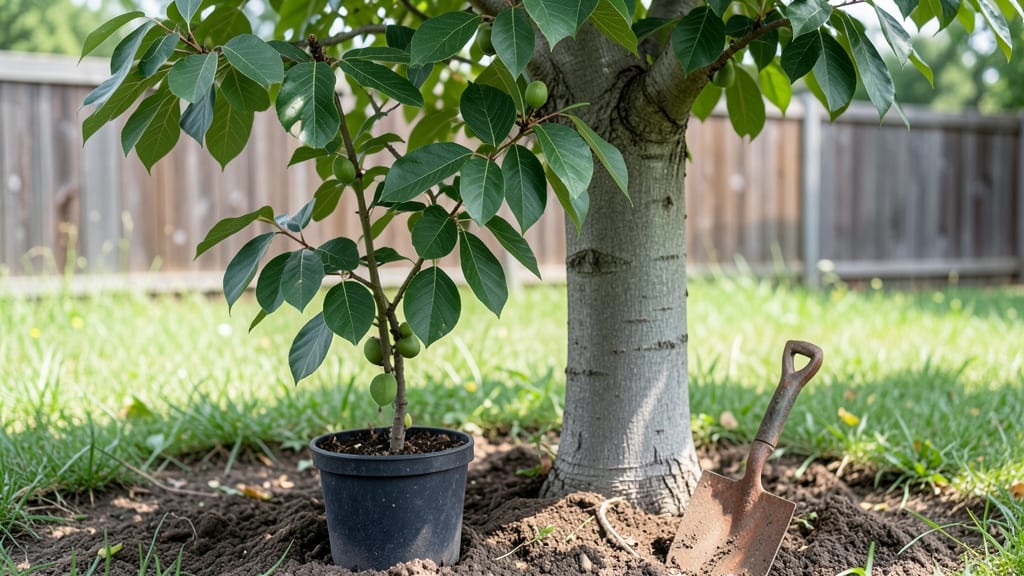
Growing pecan nuts from seed means waiting three years for your first real harvest—but the payoff is a towering, shade-providing giant that rewards decades of care. 🌳 I cracked the code after years of trial and error with stubborn pecan seeds, and now my backyard has a tree that’s already taller than me (and still growing).
The key isn’t rushing germination—it’s patience, the right soil mix, and understanding why homegrown pecans rarely taste like store-bought ones (spoiler: it’s the grafting). The process starts with fresh, high-quality nuts—don’t use store-bought pecans, as they’re often pasteurized or treated to prevent sprouting.
You’ll need a deep container for the seedling’s long taproot, a mix of sandy loam and compost, and a spot with full sun (at least 6-8 hours daily).
Pecans are slow starters, so don’t expect fast growth: most homegrown trees take 5-7 years to bear nuts, and even then, they won’t match the size or quality of grafted varieties. But the journey is half the reward—watching that first leaf unfurl after winter is magic.
By year three, your seedling should be 6-10 feet tall with a sturdy trunk, ready for transplanting into the ground. The real work begins then: mulching heavily to retain moisture, pruning to shape the canopy, and protecting young trees from deer or squirrels (they love tender pecan shoots).
You’ll harvest nuts around fall, but don’t expect perfection—homegrown pecans are often smaller and thinner-shelled, but they’re sweeter and more rewarding in ways that matter. This isn’t a get-rich-quick project, but it’s one of the most satisfying long-term investments you can make.
Whether you’re dreaming of a future pecan orchard or just want a stunning shade tree, the process is worth every season of waiting. Let’s get those seeds sprouting!
📚 In This Guide
- What you need
- Instructions
- Tips and common mistakes
- Wrapping up and next steps
What you need
- ● Fresh pecan nuts: 3–5 high-quality, disease-free nuts (preferably from a known variety like Cape Fear or Desirable). Pro tip: 💡 Use nuts harvested in late fall for best germination rates!
- ● Well-draining potting mix: 5–10 gallons of a blend of 60% peat moss or coconut coir, 30% perlite or vermiculite, and 10% compost.
- ● Seed-starting trays or small pots: 4–6 3–4 inch pots with drainage holes (or a seed tray with individual cells).
- ● Watering can or spray bottle: With a fine rose nozzle for gentle hydration.
- ● Plastic wrap or humidity dome: To maintain moisture during germination.
- ● Grow lights or sunny windowsill: A full-spectrum LED grow light (12–16 hours/day) or a south-facing window with direct sunlight.
- ○ Fertilizer (optional but recommended): A balanced, water-soluble fertilizer (e.g., 10-10-10) diluted to half-strength for young seedlings.
- ● Pruning shears: For trimming sprouts or cleaning up debris.
- ● pH testing kit: To ensure soil pH is between 6.0–7.0 (pecans thrive in slightly acidic to neutral soil).
- ● Thermometer: A soil thermometer to monitor warmth (ideal germination temp: 70–85°F).
- ● Mulch: Pine straw or wood chips (2–3 inches) to retain moisture once transplanted outdoors.
- ● Tree stakes & ties: For supporting young saplings in windy conditions.
- ● Label markers: To track varieties and planting dates!
Step-by-step instructions for growing pecan trees from seed
Here's how to start your own pecan grove—it takes time, but the payoff is worth every season.
🌱 Step 1: Select and Prepare High-Quality Pecans
Choose fresh, plump pecans from a disease-resistant variety like 'Desirable' or 'Elliot'—these produce the best seedlings. Avoid store-bought nuts, as they're often treated to prevent sprouting. Look for nuts with a thick shell and no cracks, then soak them in warm water for 24 hours to soften the shell slightly.
After soaking, place the pecans in a paper towel-lined container and refrigerate for 60-90 days to simulate winter stratification. This cold treatment breaks dormancy and encourages germination. Check them monthly—they're ready when the shell starts to crack open slightly.
🌱 Step 2: Plant the Stratified Pecans
Fill a 6-inch deep container with well-draining potting mix (equal parts peat moss, perlite, and sand). Plant each pecan 1 inch deep, with the pointed end facing upward. Cover lightly with soil and water gently until the surface feels damp but not soggy.
Place the container in a warm spot (around 70-75°F) with indirect light. Germination can take 2-4 weeks, so be patient. You'll know it's working when a small sprout emerges from the shell—this is the first true sign of life.
☀️ Step 3: Transplant Seedlings to Individual Pots
Once the seedlings reach 4-6 inches tall and develop their first true leaves, transfer them to 8-inch pots filled with a mix of potting soil and compost. Handle the seedlings carefully—they're delicate at this stage. Plant them at the same depth they were growing before to avoid shocking the roots.
Place the pots in a sunny location (at least 6 hours of direct sunlight daily) and water deeply when the top inch of soil feels dry. Avoid wetting the leaves to prevent fungal diseases. Young pecan seedlings need consistent moisture but hate soggy soil.
🪴 Step 4: Acclimate and Plant Outdoors
After 6-8 weeks of growing in pots, your seedlings should be sturdy enough for outdoor planting. Choose a location with full sun and well-draining soil—pecan trees despise waterlogged roots. Dig a hole twice as wide as the root ball but no deeper.
Plant the seedlings in early spring, after the last frost date in your area. Water thoroughly after planting and mulch around the base with 2-3 inches of organic mulch to retain moisture and suppress weeds. Keep the soil consistently moist but not waterlogged for the first 3 months.
⏰ Step 5: Care for Young Trees Through the First 3 Years
Pecan trees grow slowly, so focus on nurturing strong root systems. Water deeply once a week during dry spells, aiming for 1 inch of water per week. Fertilize lightly in early spring with a balanced 10-10-10 fertilizer to encourage healthy growth.
Prune only to remove dead or diseased branches—young pecan trees don't need heavy pruning. Watch for signs of stress, like yellowing leaves or stunted growth, which can indicate overwatering or poor drainage. With patience, your seedlings will grow into robust trees ready to produce nuts in 7-10 years.
Tips & tricks for growing pecan trees from seed
Growing pecan trees from seed is a long-term investment that rewards patience with delicious harvests. Here's how to maximize your success at every stage.
Selection Tip: When choosing pecans for seed, look for ones that are plump, heavy for their size, and have a thick, unbroken shell. The 24-hour soak in warm water isn't just about softening the shell—it's also a quick way to test viability. If your pecans float during soaking, they're not suitable for growing. Discard any that show signs of mold or damage, as these won't produce healthy seedlings.
Stratification Strategy: The 60-90 days of refrigerated stratification is non-negotiable for breaking dormancy, but here's a pro tip: place a small piece of tape on each pecan with the date you started stratification. This helps you track progress without disturbing them monthly. You'll notice the shells begin to crack slightly—this is your cue they're ready for planting, and it typically happens around day 70-80.
Germination Environment: While the instructions specify 70-75°F for germination, I've found that placing the container on top of a refrigerator (not inside) creates a perfectly stable warm environment without needing to monitor temperatures constantly. The indirect light requirement is crucial—direct sunlight at this stage can scorch the delicate sprouts before they even emerge.
Transplanting Technique: When your seedlings reach 4-6 inches and have their first true leaves, handle them with extreme care. I use a small trowel to gently loosen the soil around the roots before transferring to 8-inch pots. This minimizes root disturbance. After transplanting, place the pots in a shaded area for the first 24 hours to help them recover from the shock of moving.
Pro Tips for Grow Pecan Nuts From Seed
- Growing pecan trees from seed is a long-term investment that rewards patience with delicious harvests.
- Selection Tip: When choosing pecans for seed, look for ones that are plump, heavy for their size, and have a thick, unbroken shell.
- Stratification Strategy: The 60-90 days of refrigerated stratification is non-negotiable for breaking dormancy, but here's a pro tip: place a small piece of tape on each pecan with the date you started stratification.
Frequently asked questions
Got questions about growing pecan trees from seed? You’re not alone! Here are some of the most common concerns—and their answers—to help you navigate this rewarding (but patient) process.
How long does it take for a pecan seed to sprout?
A pecan seed typically takes 4–8 weeks to sprout after planting, depending on soil temperature (ideal range: 70–85°F). Cold stratification (refrigeration for 30–60 days) can speed this up. Patience is key—some seeds may take even longer, especially if moisture or warmth is inconsistent.
Can I grow a pecan tree from a store-bought pecan?
Yes! Fresh, raw pecans (not roasted or salted) work best. Choose plump, undamaged nuts from a healthy tree (avoid hybrid varieties, which may not produce true-to-type nuts). For the best results, source nuts from a local grower or reputable supplier to ensure viability.
Will my homegrown pecan tree produce nuts in 3 years?
Unlikely! Pecan trees grown from seed are not true to type—they may take 10–15 years to bear nuts (if they do at all). For faster, reliable nut production, consider grafting a known variety onto your seedling later. Grafting is a skill, but it’s worth the effort for a productive tree!
What should I do if my pecan seedling has bugs or yellow leaves?
Yellow leaves often signal overwatering, nutrient deficiency, or fungal issues. Check soil moisture and ensure good drainage. Common pests like aphids or spider mites can be treated with neem oil or insecticidal soap. For severe problems, isolate the plant and research organic solutions tailored to pecan trees.
Do pecan trees need a cold winter to grow well?
Yes! Pecans are hardy in USDA Zones 6–9 but thrive with cold winters (below 32°F) to break dormancy. In warmer climates, they may grow slower or produce fewer nuts. If you’re in a mild zone, choose a southern pecan variety (like ‘Desirable’) for better adaptation.
Pro Tip:
Label your seedlings! Pecan trees can take years to mature, and keeping track of varieties (or wild sources) helps you monitor growth and troubleshoot issues. A simple stakes-and-twine system works great!
Wrapping up and next steps
Growing pecan nuts from seed is a rewarding journey that demands patience—but the payoff is worth it! 🌱 With the right soil, climate, and care, you’ll nurture a tree that could one day produce delicious, homegrown pecans.
Start small, stay consistent, and remember: every gardener’s dream begins with a single seed.
Ready to take the next step? Plant your seeds this season and watch your pecan tree grow into a towering, nut-bearing giant. Happy growing! 🌳✨