
Size
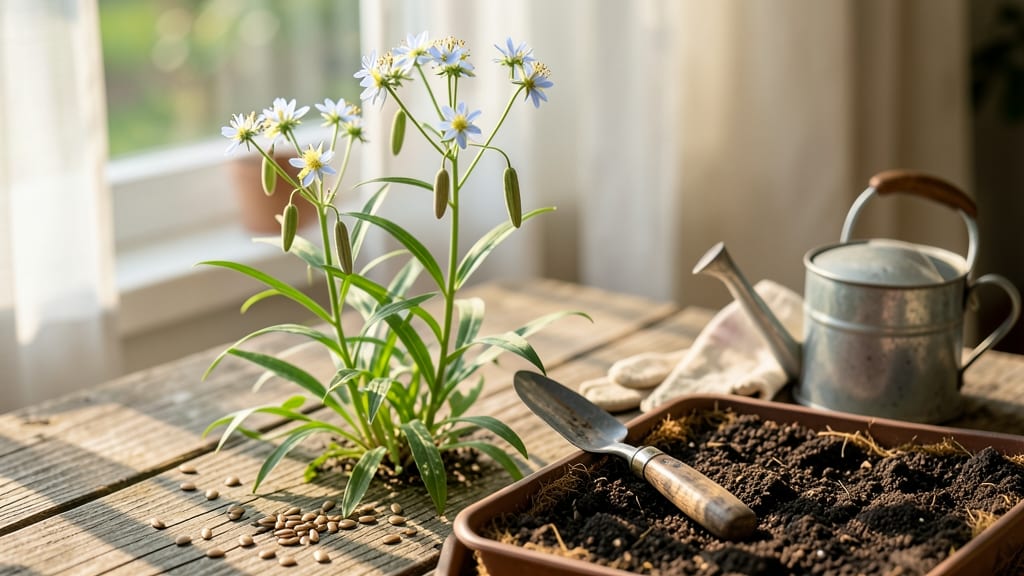
Growing flax seed plants means harvesting nutrient-rich seeds and biodegradable fibers from the same plant—no waste, just rewards. 🌱 I planted my first flax patch last spring, and by summer, I had golden stems ready for seed harvest and a batch of compostable fabric scraps from the stalks. The key?
Starting with well-drained soil and giving them plenty of sun. Flax thrives in full sun (6+ hours daily) and cool climates, making it perfect for spring or fall planting. The soil should be loose and slightly acidic—think 6.0-7.0 pH—and amended with compost before sowing.
Seeds germinate quickly (7-14 days) if kept moist but not soggy, and seedlings grow fast once established. By mid-summer, you’ll see tall, slender stems topped with delicate blue flowers. Let them dry completely on the plant before harvesting seeds—crisp stems mean ripe seeds ready for pressing. The fibers?
Pull them after flowering for natural, zero-waste textiles. This dual-purpose plant works in small gardens or large fields, and it’s drought-tolerant once rooted. Just watch for flax rust (a fungal spot) and aphids, which can stunt growth. With the right care, you’ll have a self-sustaining harvest every year.
📚 In This Guide
- What you need
- Instructions
- Tips and common mistakes
- Wrapping up and next steps
What you need
- ● Flax seeds: High-quality, organic flax seeds (1–2 lbs per 100 sq ft). Look for varieties like Linum usitatissimum for best results.
- ● Well-draining soil: A mix of loamy soil with a pH of 6.0–7.5. Amend with compost (2–3 inches) for nutrient-rich growth.
- ● Sunlight: A sunny spot with 6–8+ hours of direct sunlight daily (flax loves the sun!).
- ● Watering can or hose: For gentle, deep watering (avoid overhead sprinklers to prevent mildew).
- ● Garden bed or containers: For in-ground planting: Prepare a raised bed or tilled soil (12–18 inches deep).
- ● For containers: Use pots at least 12 inches deep and wide (one plant per container). Drainage holes are a must!
- ○ Fertilizer (optional): A balanced organic fertilizer (5-5-5 or 10-10-10) at planting time. Avoid high-nitrogen fertilizers—flax prefers lean soil.
- ● Mulch: Straw or shredded leaves (1–2 inches) to retain moisture and suppress weeds.
- ● Row covers or netting to protect young plants from pests like aphids or birds.
- ● Pruning shears for harvesting mature stems (or just use sharp scissors!).
- ● pH test kit to ensure your soil is in the ideal range.
- ● Drying rack or screen for post-harvest seed drying (if saving seeds for next year).
Step-by-Step guide to cultivating flax seed plants
Here's how to grow these hardy perennials that thrive in full sun and reward you with edible seeds and fiber.
🌱 Step 1: Select and Prepare Your Planting Site
Flax plants demand full sun exposure (6-8 hours daily) and well-draining soil with a pH between 6.0-7.5. I always test my soil first—flax roots rot quickly in soggy conditions. Amend heavy clay with 2-3 inches of compost or sand to improve drainage. The ideal planting time is late spring after the last frost, when soil temperatures reach 50°F or warmer.
Choose a location with at least 18 inches of unobstructed space between plants. Flax grows tall (up to 4 feet) and needs room to avoid shading neighbors. If your soil is sandy, mix in 1 inch of organic matter to retain moisture without compacting. I mark the planting lines with sticks to ensure straight rows—this makes harvesting easier later.
🌿 Step 2: Plant Seeds at the Right Depth and Spacing
Sow seeds ½ inch deep and 6 inches apart in rows spaced 12 inches apart. The seeds are small but hardy—don't worry about perfect spacing. I scatter them by hand, then gently rake the soil to cover them lightly. Pressing too firmly can prevent germination. Water immediately after planting to settle the soil and provide moisture for the first critical growth phase.
Thin seedlings to 6 inches apart when they reach 2 inches tall. Use scissors to snip unwanted plants at soil level—this prevents disturbing roots of remaining seedlings. Flax seedlings emerge in 7-14 days at 60-70°F soil temperatures. Watch for the first true leaves (not the initial cotyledons) before thinning. These leaves will be narrow and lance-shaped, signaling healthy growth.
☀️ Step 3: Maintain Consistent Moisture and Fertility
Keep soil evenly moist but not waterlogged—flax plants are drought-tolerant once established, but young plants need 1 inch of water weekly. I water at the base in the morning to reduce evaporation and fungal risks. Avoid overhead watering, which can spread disease. Once plants reach 12 inches tall, reduce watering to every 10-14 days unless your area experiences extreme heat.
Flax is a light feeder, but a balanced 10-10-10 fertilizer applied at planting and again when plants flower encourages stronger growth. I mix a tablespoon of fertilizer per 10 square feet into the top inch of soil. Stop fertilizing 6 weeks before harvest—excess nitrogen reduces seed quality. Yellowing leaves at this stage usually mean over-fertilization, not nutrient deficiency.
⏰ Step 4: Monitor for Pests and Harvest at Peak Maturity
Flax is relatively pest-resistant, but watch for aphids or flax rust (orange-brown spots on leaves). Remove affected leaves immediately and spray with neem oil if infestations appear. I inspect plants weekly during flowering—early detection prevents spread. The plant's natural resilience means most issues resolve with proper spacing and airflow.
Harvest seeds when 75% of pods turn brown and begin cracking open. This typically occurs 90-120 days after planting, depending on your climate. Cut stems with 4-6 inches of stalk remaining and hang them in a dry, well-ventilated area. Shake the stems gently every few days to release seeds. Store dried seeds in airtight containers in a cool, dark place—they’ll keep for 2-3 years.
🪴 Step 5: Overwinter and Plan for Perennial Growth
Flax is a hardy perennial in USDA zones 3-9. In colder climates, mulch plants with 2-3 inches of straw after the first frost to protect roots. I avoid heavy mulch—it can trap moisture and cause rot. In warmer zones, flax may self-seed prolifically. Thin volunteers in early spring to maintain healthy spacing.
Divide mature plants every 3-4 years to prevent overcrowding. Dig up clumps in early spring, separate roots carefully, and replant sections. Flax tolerates division well, and younger plants often produce more vigorous growth. This is also the time to rotate crops—flax depletes soil nutrients, so follow with a legume cover crop like clover to restore nitrogen.
Tips & tricks for perfect flax seed cultivation
These practical insights will help you transform your garden into a productive flax patch with minimal fuss.
Soil Preparation Secret: The 6.0-7.5 pH range is non-negotiable for flax—test your soil before planting. If your garden soil tests too acidic, mix in 1 cup of agricultural lime per 10 square feet two months before planting. This gives the lime time to adjust pH naturally. For alkaline soils, work in 2-3 inches of peat moss instead. Flax roots are shallow but sensitive to compaction—avoid working the soil when it's wet, as this creates clods that hinder root development.
Planting Precision: When sowing seeds ½ inch deep in Step 2, use a simple DIY tool: a wooden dowel marked at ½ inch. Press the dowel into the soil to create consistent furrows. This prevents uneven planting depths that can cause germination inconsistencies. For large plots, consider using a broadcast spreader for even distribution. Remember, flax seeds are tiny—don't be tempted to plant them too densely, even if they're cheap. The 6-inch spacing gives each plant room to develop properly without competing for nutrients.
Thinning Technique: The 2-inch height threshold for thinning is your best friend for healthy plants. Use clean, sharp scissors to snip seedlings at soil level rather than pulling—this prevents disturbing the roots of your keepers. I've found that thinning in two stages works best: first when plants reach 1 inch, then again at 2 inches. This gradual approach reduces stress on the remaining plants. Look for the narrow, lance-shaped true leaves—these are your signal that the plant is ready for thinning and has enough energy to establish properly.
Harvesting Hack: When checking for 75% brown pods in Step 4, focus on the lower stems first—they'll mature slightly earlier. Cut stems with 4-6 inches of stalk remaining and bundle them in small groups of 10-15 stems. Hang these bundles from a clothesline or sturdy wire in a dry, shaded area. This bundle size creates optimal airflow for even drying. Shake the bundles every 2-3 days to dislodge mature seeds, but avoid shaking too vigorously—you want to release seeds gradually, not create chaff. Store seeds in paper bags for the first week to allow any remaining moisture to evaporate before transferring to airtight containers.
Pro Tips for Grow Flax Seed Plants
- These practical insights will help you transform your garden into a productive flax patch with minimal fuss.
- Soil Preparation Secret: The 6.0-7.5 pH range is non-negotiable for flax—test your soil before planting.
- Planting Precision: When sowing seeds ½ inch deep in Step 2, use a simple DIY tool: a wooden dowel marked at ½ inch.
Frequently asked questions
Got questions about growing flax seed plants? You're not alone! Here are some of the most common concerns—plus straightforward answers to help you succeed.
How long does it take for flax seeds to mature and be ready for harvest?
Flax plants typically mature in 90–120 days after planting, depending on your climate and variety. Look for brown, dry seed pods that easily release seeds when rubbed—this is your cue to harvest! If left too long, the pods may burst open naturally, so keep an eye out during peak maturity.
Can flax seeds grow in hot or cold climates?
Flax thrives in cool to moderate temperatures (60–75°F), making it ideal for spring or fall planting in warmer zones. In cold climates, plant after the last frost; in hot areas, opt for shade cloth or late-summer sowing to avoid wilting. Flax is hardy but not drought-tolerant, so consistent moisture is key!
What can I do if my flax plants develop yellow leaves?
Yellowing leaves often signal overwatering, nutrient deficiency, or fungal issues. Check soil drainage first—flax hates soggy roots. For nutrients, amend soil with compost or balanced fertilizer (low nitrogen). If mildew appears, space plants further apart for airflow and avoid overhead watering.
Are there any companion plants that help flax grow better?
Yes! Flax pairs well with beans, peas, or clover, which fix nitrogen in the soil. Avoid planting near potatoes or tomatoes, as they compete for resources. Interplanting with marigolds can also deter pests naturally—just give flax its own space to avoid shading.
How do I store harvested flax seeds long-term?
For best results, dry seeds completely (moisture <10%) in a well-ventilated, dark place for 1–2 weeks. Store in airtight glass jars or vacuum-sealed bags in a cool, dry spot (like a pantry). Properly stored, flax seeds stay fresh for 1–2 years—perfect for baking, smoothies, or replanting!
Wrapping up and next steps
Growing flax seed plants is a rewarding journey that brings beauty, sustainability, and delicious harvests to your garden! 🌱 With the right soil, sunlight, and care, you’ll enjoy lush perennials that thrive year after year—and don’t forget the zero-waste bonus of seeds, fibers, and even edible greens.
Whether you’re a seasoned gardener or just starting out, every step you take brings you closer to a thriving, self-sufficient space.
Now that you’re armed with knowledge, why not take the next step? Start small with a few plants, experiment with varieties, or even share your flax harvest with friends. Happy growing—and may your garden flourish! 🌿✨