
Planting
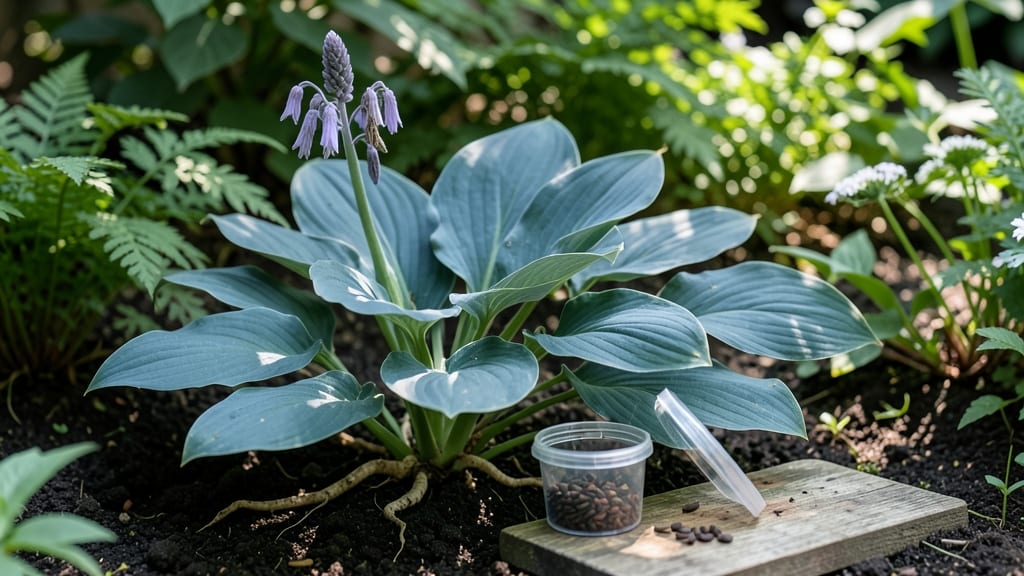
Learn how deep to plant hosta seeds—a tiny detail that makes all the difference for vigorous, lush hosta starts in your garden.
Struggling to germinate hosta seeds? Planting them at the wrong depth can mean the difference between a thriving garden and wasted effort. Too shallow, and they dry out; too deep, and they suffocate.
The ¼- to ½-inch range is your sweet spot for consistent germination, but soil type and seed size play a role too.
Hosta seeds are tiny and delicate, so proper planting depth isn’t just about numbers—it’s about creating the right conditions. We’ll cover how to adjust for clay, sandy, or loamy soil, plus the best moisture and light tricks to keep your seeds happy until those first leaves break through.
Ready to turn those seeds into lush hosta plants? I’ll walk you through every step, from prepping the soil to post-planting care, so you can skip the guesswork and enjoy stronger starts from day one.

Optimal hosta seed planting depth by seed type and variety
Getting hosta seeds to germinate can feel like a gamble—especially when it comes to planting depth. Unlike mature hosta plants, which thrive in partial shade, their seeds need precise conditions to break dormancy.
The ideal depth varies based on seed size, soil type, and even the specific hosta variety you're growing. Too shallow, and they dry out; too deep, and they suffocate. Let’s break down the science-backed rules for planting hosta seeds at the perfect depth to ensure strong, healthy starts.
Most hosta seeds are tiny—often no larger than a pinhead—which means they require minimal soil coverage. However, larger seeds (like those from Hosta plantaginea or Hosta sieboldiana) can handle slightly deeper planting. The general rule is to cover seeds with soil that’s 2-3 times their width.
For most varieties, this translates to a ¼-inch depth in well-draining soil. But why does this matter? Seeds need darkness to trigger germination, but they also need oxygen and consistent moisture. Too much soil blocks oxygen; too little exposes them to drying out.
Here’s the critical factor most gardeners overlook: soil texture changes the equation. Clay soil holds moisture longer but compacts easily, while sandy soil drains too quickly. Loamy soil—rich in organic matter—offers the best balance.
If your soil is heavy clay, you can plant seeds slightly deeper (⅛-inch extra) to retain moisture. Conversely, in sandy soil, reduce depth to ⅛-inch to prevent drying. The goal is to mimic the seed’s natural environment while ensuring it stays hydrated.
For rare or hybrid hosta varieties, always check the seed packet for specific instructions. Some blue hostas (like Hosta sieboldiana 'Elegans') are notoriously slow to germinate, so planting them at the recommended depth and keeping soil temperatures between 65–75°F is key.
Pro tip: Use a seedling heat mat if your climate runs cold, as hosta seeds often need a warmth trigger to break dormancy. Without it, germination can take twice as long or fail entirely.
One of the biggest mistakes I see is overwatering after planting. While seeds need consistent moisture, soggy soil leads to rot before sprouting. Instead, use a spray bottle to mist the soil lightly every 2–3 days until germination.
Once seedlings emerge, reduce watering slightly to prevent damping off, a fungal disease that attacks young hosta sprouts. A fine mist in the morning is ideal—it keeps the soil moist without suffocating the delicate seedlings.
If you’re growing hosta seeds indoors under grow lights, aim for 12–14 hours of light daily to encourage strong, stocky seedlings. Outdoor plantings should be started 6–8 weeks before your last frost date to give them time to establish roots before cooler weather sets in.
For USDA Zone 6a (like much of the Midwest), this means sowing seeds in mid-to-late March for a late spring transplant. Timing is everything—rush it, and frost will kill your seedlings; wait too long, and they’ll become leggy.
Remember, hosta seeds
Step-by-step guide to planting hosta seeds at the right depth
Getting hosta seeds to sprout can feel like a gamble—especially when you're unsure about planting depth. Too shallow, and they dry out; too deep, and they suffocate. The key lies in creating the perfect balance between moisture retention and air exposure during those critical first weeks.
I’ve learned from trial and error that hosta seeds thrive when planted at ¼ inch deep, but there’s more to it than just a quick scratch in the soil.
Before you even think about depth, focus on your seedbed preparation. Hosta seeds are tiny and delicate, so loose, well-draining soil is non-negotiable. Amend your garden bed with compost or peat moss to improve texture and moisture retention.
If you’re using containers, ensure they have drainage holes—waterlogged soil is a silent killer of hosta seedlings.
- Loosen soil to 6 inches deep with a fork or tiller.
- Mix in 2 inches of compost for nutrients.
- Rake surface smooth to create a fine seedbed.
- Sprinkle seeds ¼ inch deep—use a seed starter kit or toothpick for precision.
- Space seeds 6 inches apart to avoid overcrowding.
- For larger seeds, increase depth to ½ inch.
- Water gently with a spray bottle to avoid displacing seeds.
- Keep soil consistently moist (not soggy) until germination.
- Use a clear plastic dome or row cover to retain humidity.
- Germination takes 2-4 weeks in ideal conditions.
- Thin seedlings to 12 inches apart once they reach 2 inches tall.
- Avoid disturbing soil until true leaves appear.
One of the biggest mistakes I see is overwatering after planting. While hosta seeds need moisture, they’ll rot if submerged. Use a fine mist spray to water, and only when the top inch of soil feels dry.
Another pitfall? Planting seeds too close together. Crowded seedlings compete for nutrients and light, leading to weak, leggy growth. Space them properly from the start to give each plant room to thrive.
If you’re planting in cooler climates, consider using a heat mat or starting seeds indoors under grow lights. Hosta seeds germinate best at 65-75°F, and a warm seedbed can cut germination time in half.
Once seedlings emerge, transition them to partial shade—direct sunlight can scorch their tender leaves. Thin them carefully with scissors to avoid disturbing roots.
Remember, patience is key. Hosta seeds are slow to germinate, but once they do, you’ll be rewarded with lush, shade-loving foliage for years. With the right depth, moisture, and care, your hosta seedlings will have the strongest start possible—setting the stage for a vibrant garden centerpiece.