
Pruning
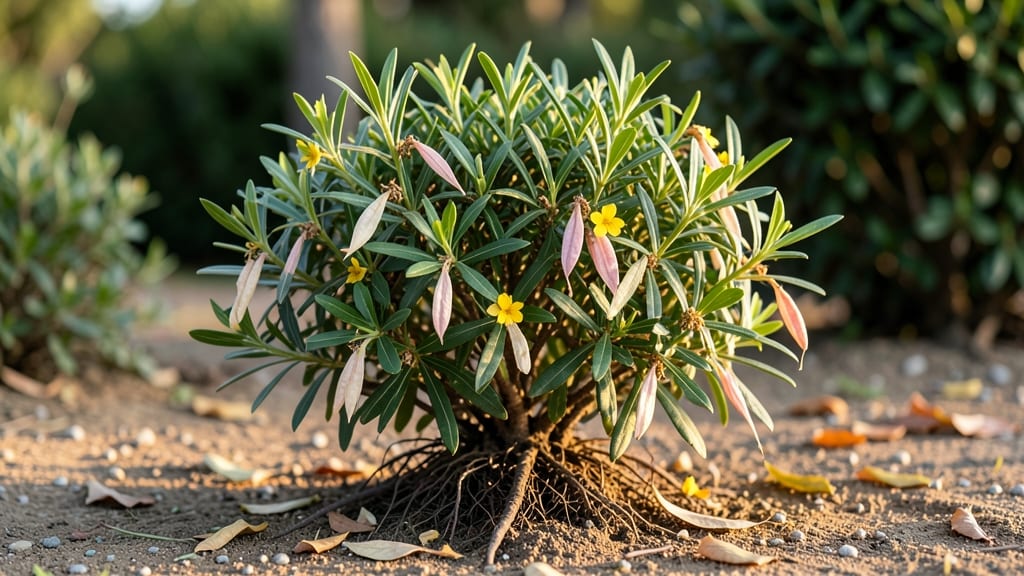
The care of a hopseed bush thrives when you prune it year-round—not just once a year. 🌿 I’ve learned that skipping regular trims means leggy branches and fewer of those striking seed pods that make this plant so special.
The key is shaping it in early spring and keeping it tidy throughout the growing season. This bush loves well-draining soil and full sun, but it’s surprisingly drought-tolerant once established. That means less fuss with watering once it’s past its first year.
The real secret to keeping it healthy is consistent pruning—cutting back about a third of the growth each spring and deadheading spent flowers to encourage new blooms. By mid-summer, you’ll see dense, glossy foliage and clusters of papery seed pods that birds adore.
The plant stays compact and bushy, making it perfect for hedges, borders, or even container gardens. With the right care, it’ll reward you with abundant harvests of those unique seed pods for years. For best results, prune lightly after flowering too—just enough to maintain shape.
This bush is tough, but it appreciates your attention. Let’s get those shears ready!
📚 In This Guide
- What you need
- Instructions
- Tips and common mistakes
- Wrapping up and next steps
What you need
- ● Pruning shears: Bypass pruners (for clean cuts on small branches) or loppers (for thicker stems, up to 1.5 inches in diameter). Quantity: 1-2 pairs (sterilize with rubbing alcohol between cuts!).
- ● Gloves: Heavy-duty gardening gloves (to protect from thorns and sap). Material: Nitrile-coated or leather (water-resistant). Quantity: 1 pair.
- ● Sharp knife or pruning saw: For larger branches (1.5+ inches). Quantity: 1.
- ● Disinfectant: 70% isopropyl alcohol or horticultural spray (to prevent disease spread). Quantity: Small bottle (4 oz).
- ● Compost or mulch: Organic matter (e.g., shredded leaves, straw) to enrich soil post-pruning. Quantity: 2-3 gallons (depending on bush size).
- ● Watering can or hose: With a gentle spray nozzle (to avoid disturbing fresh cuts). Quantity: 1.
- ○ Stakes or small posts: (Optional but helpful for newly planted bushes to support growth). Quantity: 2-4, 18-24 inches tall.
- ● Handheld leaf blower or broom: To clear debris after pruning.
- ● Plant tie or twine: For securing young branches to stakes.
- ● Fertilizer: Balanced 10-10-10 NPK or compost tea (apply post-pruning for a growth boost).
- ● Pruning sealant: (For large cuts >2 inches—controversial but can reduce sap loss in some plants).
- ● Camera or journal: To track growth patterns and pruning progress!
Step-by-step guide for hopseed bush maintenance
Here's how I keep my hopseed bushes thriving year-round with simple pruning techniques.
🌿 Step 1: Prune for Shape in Early Spring
Start your hopseed bush care in late February or early March when new growth begins but before buds swell. Remove any dead or crossing branches first—these compete for energy and invite disease. I like to shape the bush into a rounded form, keeping the center open for airflow. This prevents fungal issues and makes harvesting easier later.
Use clean, sharp pruners to cut back any leggy growth from the previous year to about 6-8 inches from the base. You'll see fresh green shoots emerging from the base within 2-3 weeks—that's your signal the bush is responding well. Avoid cutting into old wood; hopseed bushes bloom and fruit on new growth, so focus on stimulating fresh shoots.
☀️ Step 2: Light Summer Pruning for Airflow and Fruit
During the growing season, prune lightly after each harvest to encourage more fruiting. Pinch back new growth by one-third when it reaches 12-18 inches tall. This triggers bushier growth and more abundant seed production. I do this every 4-6 weeks throughout summer, always cutting just above a leaf node where new shoots will emerge.
Watch for any branches growing inward—they'll shade the center and reduce fruit quality. Remove these immediately with your pruners. You'll notice the bush becomes denser and fuller after each pruning session, with more clusters of seed heads forming. This is when your hopseed bush really starts to pay off with a bountiful harvest.
✂️ Step 3: Late Season Cleanup for Winter Prep
In October or November, after the first frost, do a thorough cleanup. Cut back all growth to 4-6 inches from the ground. This removes potential disease overwintering sites and prepares the bush for dormancy. I also remove any remaining seed heads—they can harbor pests and diseases that might survive winter.
Don't worry about how bare the bush looks after this pruning. The hopseed bush is surprisingly resilient and will push out fresh growth from the base in spring. This late-season pruning is actually beneficial—it reduces the bush's size, making it easier to manage and protecting it from winter damage. Mulch around the base with 2-3 inches of organic material to insulate the roots.
⏰ Step 4: Year-Round Maintenance Checks
Every 2-3 months, do a quick health check. Look for signs of pests like spider mites or aphids on the undersides of leaves. Treat any issues immediately with neem oil or insecticidal soap. I also check for any branches rubbing together—these need to be pruned to prevent damage and disease entry points.
Water deeply once a week during dry spells, keeping the soil 2-3 inches moist but never soggy. Hopseed bushes are drought-tolerant once established, but consistent moisture encourages better seed production. You'll see the bush's health in its vibrant green leaves and strong new growth—these are your indicators everything is on track for a healthy, productive plant.
Tips & tricks for perfect hopseed bush maintenance
A few simple techniques that'll keep your hopseed bush thriving—and save you from common pruning pitfalls.
Timing is Everything: The late February or early March window for spring pruning is non-negotiable. If you prune too early, you risk damaging buds that haven't swollen yet. I've learned the hard way that waiting until buds show color is better than rushing—your bush will thank you with stronger growth. Watch for those first green shoots at the base within 2-3 weeks after pruning; that's your confirmation the bush is happy and ready to grow.
Tool Prep Matters: Before you even touch the bush, sterilize your pruners with rubbing alcohol. I keep a small bottle handy for quick cleanups between cuts—this prevents spreading disease from branch to branch. Sharp tools make clean cuts that heal faster, so take a minute to hone your blades if they feel dull. You'll notice a difference in how smoothly the cuts go and how well the bush responds.
Shape with Purpose: That rounded form I mention isn't just for looks—it's about airflow. When you prune leggy growth back to 6-8 inches, you're creating space between branches that prevents fungal issues. I always visualize airflow paths when shaping, especially in humid climates. The center should feel open enough to slip your hand through without touching multiple branches.
Seasonal Adjustments: In summer, when you're pinching back growth by one-third at 12-18 inches, focus on the strongest stems. Weak growth won't recover well from aggressive pruning. For late-season cleanup, don't be afraid to cut back hard to 4-6 inches—this actually helps the bush survive winter better by reducing its size and energy demands. The 2-3 inches of mulch around the base works wonders for insulation during cold snaps.
Pro Tips for Hopseed Bush Care
- A few simple techniques that'll keep your hopseed bush thriving—and save you from common pruning pitfalls.
- Timing is Everything: The late February or early March window for spring pruning is non-negotiable.
- Tool Prep Matters: Before you even touch the bush, sterilize your pruners with rubbing alcohol.
Frequently asked questions
Got questions about keeping your hopseed bush thriving? Here are some of the most common concerns—plus quick answers to help you grow like a pro!
How often should I prune my hopseed bush?
Prune your hopseed bush twice a year for best results: early spring (to shape and encourage new growth) and late summer/fall (to clean up and prep for dormancy). Light trimming between harvests can also boost airflow and fruit production!
When is the best time to harvest hopseed?
Harvest when the seed pods turn brown and dry—usually late summer to early fall (August–October, depending on your climate). Wait too long, and the seeds may scatter or lose potency. A gentle twist or snip works best!
Can I grow hopseed bushes in containers?
Use a large pot (at least 15–20 gallons) with drainage holes and well-draining soil. Containers work well for small spaces, but expect slightly smaller yields than in-ground plants. Move pots to sunnier spots in winter if needed.
What pests should I watch for on hopseed bushes?
Keep an eye out for aphids, spider mites, and powdery mildew—common culprits. Neem oil or insecticidal soap can tackle pests, while pruning for airflow prevents fungal issues. Regular checks (especially under leaves) catch problems early!
How do I protect hopseed bushes in winter?
In colder zones (below Zone 7), mulch heavily around the base with straw or leaves (4–6 inches deep) and wrap young plants in burlap. Prune back one-third of the plant in late winter to reduce stress. Evergreens? Trim lightly to avoid snow damage.
Wrapping up and next steps
Caring for your hopseed bush is all about patience, consistency, and a little green-thumb love—and you’re already on the right track! By mastering year-round pruning, you’ll enjoy lush growth, fewer pests, and bountiful harvests that’ll make your garden the talk of the neighborhood. 🌿✨
Ready to take the next step? Start small: pick one season to refine your technique, then gradually expand your skills. Before you know it, you’ll be a hopseed bush whisperer—confidently shaping your plant’s future with every snip. Happy pruning!