
Lawn
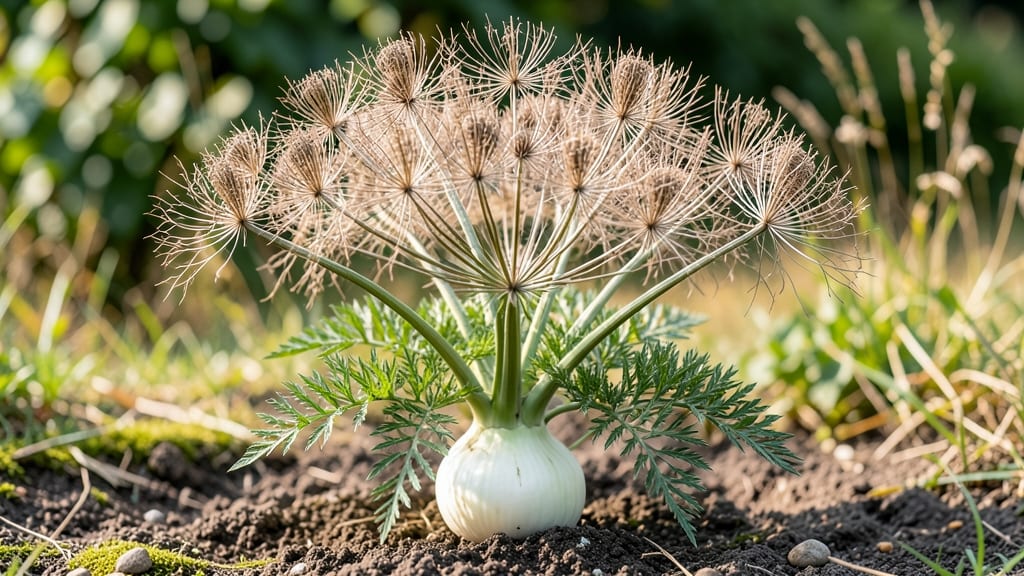
Fennel seed heads transform your garden from ordinary to extraordinary—those delicate, lacy blooms smell like sunshine and promise next year’s harvest. 🌿 I’ve learned the hard way that letting them go to seed isn’t just for pollinators; it’s how you get the fragrant seeds used in everything from Italian sausage to homemade liqueurs.
The key is timing: harvest when the seed heads turn golden-brown but before they scatter, usually late summer to early fall depending on your zone.
You’ll need just a few simple tools: sharp pruning shears, a clean paper bag for drying, and a dry, dark spot to store them. The process is straightforward—cut the seed heads when they’re fully mature but still intact, then hang them upside down in a breathable bag.
Within 2-3 weeks, the seeds will rattle inside like tiny maracas, ready for storage. This method preserves their flavor and aroma far better than store-bought seeds ever could.
What you end up with is a pantry stocked with seeds that smell like summer, ready to sprinkle over roasted vegetables or steep into tea. The plants themselves stay tidy and productive, with fewer pests targeting them once the seed heads are removed.
Plus, dried fennel seed heads make stunning dried arrangements—imagine their golden hues against a winter windowsill.
Works for both culinary and ornamental gardeners, whether you’re growing fennel in a sunny herb bed or a container on your patio. Here’s how to make the most of those beautiful, fragrant blooms before they’re gone.
📚 In This Guide
- What you need
- Instructions
- Tips and common mistakes
- Wrapping up and next steps
What you need
- ● Fennel plants: Mature fennel plants with fully developed seed heads (ensure they’re disease-free). Aim for 3–5 plants for a good harvest.
- ● Pruning shears or sharp scissors: For cleanly harvesting seed heads without damaging the plant.
- ● Paper bags or breathable mesh bags: 2–3 medium-sized bags (10x12 inches) to collect and dry seeds.
- ● String or rubber bands: To secure seed heads for drying.
- ● Drying location: A well-ventilated, dry, and dark spot (e.g., a pantry, shed, or garage with good airflow).
- ● Air-tight storage containers: Glass jars or food-grade plastic containers with tight-sealing lids (quart-sized or larger).
- ● Labeling supplies: Masking tape + marker (to label containers with the harvest date).
- ● Desiccant packets: For extra moisture control in storage containers.
- ● Fine-mesh sieve: To separate seeds from chaff after drying.
- ● Humidity monitor: If storing in a damp climate (ideal humidity: <35%).
- ● Freezer bags: For long-term storage (seal tightly to prevent moisture).
Step-by-Step guide to harvesting and storing fennel seed heads
Here's how to transform your fennel's fragrant blooms into next year's flavorful harvest.
🌿 Step 1: Identify and Harvest Mature Seed Heads
Wait until the fennel's seed heads turn a rich, golden-brown color—this usually happens in late summer or early fall, depending on your climate. The tiny seeds inside should feel dry and papery when you gently squeeze a head. I always harvest on a dry morning after the dew has evaporated; this prevents moisture from encouraging mold during storage.
Use clean, sharp pruning shears to snip the entire seed head from the stalk, leaving about 1 inch of stem attached. This extra stem helps support the head during drying. If you're growing multiple plants, harvest them all at once—they ripen simultaneously, so don't wait too long or the seeds may scatter.
⏰ Step 2: Dry the Seed Heads Properly
Hang the seed heads upside down in a dry, well-ventilated area with indirect sunlight. A dark, airy pantry or a porch with afternoon shade works perfectly. The goal is to dry them slowly—this preserves the seeds' flavor and prevents cracking. I like to use clothespins to attach the stems to a string or wire rack, keeping them suspended about 6 inches apart for good airflow.
Check the heads after 2-3 weeks. They're ready when the seeds rattle loudly inside when you shake them gently. If any seeds still feel damp or the heads haven't dried evenly, leave them hanging for another week. Don't rush this step—overly hasty drying can ruin the seeds' potency.
🪴 Step 3: Remove and Store the Seeds
Once fully dry, lay the seed heads on a clean cutting board and gently rub the dried umbels (the feathery parts) between your palms. The seeds will fall out easily, leaving behind the empty, papery structures. I always do this over a large bowl or tray to catch every last seed—no need to waste a single one. Sift the seeds through a fine-mesh strainer to remove any debris or chaff.
Store the seeds in an airtight glass jar or container in a cool, dark place. They'll keep their flavor for up to 2 years if stored properly. Label the jar with the harvest date—this helps track freshness. For even longer storage, consider vacuum-sealing the seeds in small portions; this extends their shelf life to 3-4 years.
💧 Step 4: Optional - Clean and Reuse the Fronds
After removing the seeds, the feathery fronds can still be used for cooking or garnishes. Bundle a few stems together and tie them with twine, then hang them upside down in a dry place for 1-2 weeks to dry completely. Once fully dry, store the fronds in a paper bag or airtight container. They'll keep for several months and can be used to add a subtle anise flavor to soups, teas, or decorative arrangements.
Don't toss the fronds—this is a great way to reduce waste and extend the life of your fennel harvest. If you're not sure whether the fronds are fully dry, check by gently bending one. If it snaps cleanly, it's ready for storage. If it bends without breaking, give it another week to dry.
Tips & tricks for perfect fennel seed preservation
Harvesting and storing fennel seeds properly is all about patience and attention to detail—here's how to avoid common pitfalls and get the best results.
Harvest Timing: The 2-3 week drying window in Step 2 is critical, but don't rely solely on the calendar. Test for readiness by gently squeezing a seed head—it should feel completely dry and papery, with seeds rattling inside. I've learned the hard way that rushing this process can lead to moldy seeds, so always err on the side of extra drying time if you're unsure. The golden-brown color is your first clue, but the tactile test is definitive.
Drying Environment: While indirect sunlight works well, the key factor is airflow. Position your drying area where you can maintain consistent airflow—this prevents uneven drying and potential cracking. I've had the best success with a well-ventilated pantry or covered porch. If your kitchen gets stuffy, consider using a small fan on low setting to circulate air around the hanging seed heads without creating drafts.
Seed Extraction: When it's time to remove the seeds in Step 3, work over a large tray or sheet pan lined with parchment paper. The seeds are tiny and can easily scatter—this makes cleanup much easier. I've found that gently rubbing the dried umbels between your palms works best, but you can also use a fork or your fingers to help coax out stubborn seeds. Just avoid vigorous shaking, which can damage the delicate seed heads.
Storage Wisdom: The 2-year shelf life mentioned in Step 3 assumes proper storage conditions. For maximum freshness, store your seeds in small portions—this way you can open and reseal the container less frequently. I like to use glass jars with tight-sealing lids, and I always write the harvest date on the jar with a permanent marker. For long-term storage beyond 2 years, vacuum-sealing is your best bet, but it's worth noting that the seeds will gradually lose potency over time.
Pro Tips for Fennel Seed Heads
- Harvesting and storing fennel seeds properly is all about patience and attention to detail—here's how to avoid common pitfalls and get the best results.
- Harvest Timing: The 2-3 week drying window in Step 2 is critical, but don't rely solely on the calendar.
- Drying Environment: While indirect sunlight works well, the key factor is airflow.
Frequently asked questions
Got questions about harvesting, storing, or using fennel seed heads? You’re not alone! Here are answers to the most common queries—so you can savor those fragrant blooms all year long.
How do I know when fennel seed heads are ready to harvest?
Wait until the seed heads turn a deep golden-brown and feel dry to the touch (usually late summer to early fall). Gently twist or cut the stems—if seeds spill easily, they’re ready! Avoid harvesting when damp to prevent mold. Pro tip: Test a few seeds by crushing them; if they’re aromatic, it’s time!
What’s the best way to store fennel seeds long-term?
Store seeds in an airtight container (like a glass jar) in a cool, dark place (below 60°F). Keep them dry—moisture is the enemy! For extra freshness, add a silica gel packet. Seeds stay potent for 1–2 years. Label your container with the harvest date to track freshness.
Can I freeze fennel seed heads instead of drying them?
Freezing isn’t ideal for whole seed heads—they’ll lose crispness and flavor. However, you can freeze crushed seeds in ice cube trays (add water or oil) for cooking. For best results, stick with drying. If freezing, use within 6 months for peak aroma.
What should I do if my fennel seed heads develop mold?
Mold happens if seeds are harvested too wet or stored in humidity. Discard moldy batches immediately—it can ruin the whole stash. To prevent it, dry seeds thoroughly in a well-ventilated area (like a mesh bag) for 1–2 weeks before storing. Pro tip: A small fan speeds up drying!
Are fennel seed heads edible, or just for seeds?
Yes! While seeds are the star, the young, tender leaves and stems are edible too—add them to salads or sautés for a licorice-like flavor. Just avoid the woody core. For seed heads, focus on the dried umbels (flower clusters) where seeds form. Bonus: Toast seeds lightly to enhance flavor!
Wrapping up and next steps
Fennel seed heads are a treasure trove of flavor and utility—whether you’re drying them for next year’s garden or savoring their aromatic magic in the kitchen. By following these simple steps, you’ll unlock a sustainable, fragrant harvest that keeps giving long after the blooms fade. 🌿✨
Ready to elevate your garden’s bounty? Start small this season—grow a patch of fennel, experiment with drying techniques, and soon you’ll be sharing your homemade fennel seed stash with neighbors (or your favorite recipes!). The next step? Plan your fennel patch today and let nature do the rest!