
Lawn
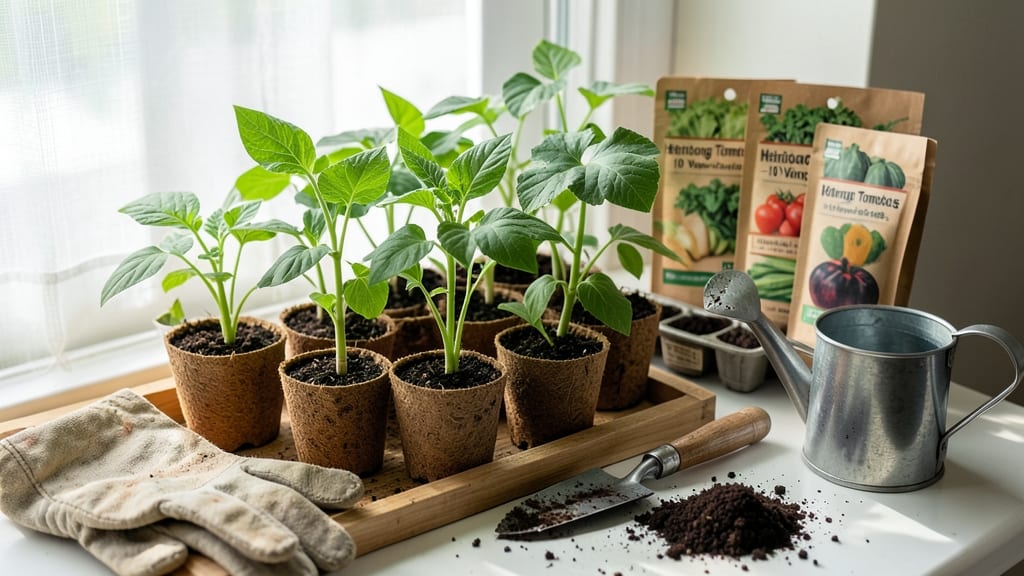
My first heirloom vegetable seed companies packet cost $3.50 and produced enough fruit to feed my neighborhood—that’s the power of choosing rare varieties. 🌱 These seeds aren’t just cheaper than hybrids; they’re living history, passed down for generations, and they thrive when you know where to look.
The right seed company makes all the difference between a decent harvest and a garden full of stories.
I’ve narrowed it down to companies that specialize in non-GMO, open-pollinated seeds—the kind you can save and replant year after year. Look for organic certifications, rare heirlooms like ‘Cherokee Purple’ tomatoes or ‘Black Krim’ eggplants, and seed banks that prioritize biodiversity.
Many offer discounts for bulk orders, so you can stock up on your favorites without breaking the bank.
What you’ll get is a garden that feels alive with flavor and resilience. These seeds adapt better to your local climate, resist pests naturally, and produce vegetables that taste like childhood memories. Plus, you’re supporting small-scale seed keepers who preserve genetic diversity—one packet at a time.
Ready to grow? Start by checking your USDA hardiness zone and matching seeds to your season. Whether you’re a first-time gardener or a seasoned green thumb, heirloom seeds are the ultimate investment in both taste and tradition.
📚 In This Guide
- What you need
- Instructions
- Tips and common mistakes
- Wrapping up and next steps
What you need
- ● Heirloom vegetable seeds – Purchase from trusted heirloom seed companies (e.g., Baker Creek, Seed Savers Exchange, or Rare Seeds). Start with 1–2 varieties per season to avoid overwhelm.
- ● Seed starting trays or pots – 2–4" deep, with drainage holes (biodegradable options work too!). Aim for 50–100 trays if planting a variety of seeds.
- ● High-quality potting mix – Lightweight, sterile, and well-draining (avoid garden soil—it can compact and harbor diseases). A 10–20 lb bag is ideal for beginners.
- ● Grow lights or a sunny windowsill – A full-spectrum LED grow light (12–16 hours/day) or a south-facing window with consistent sunlight.
- ● Misting bottle or watering can – For gentle hydration. A small spray bottle works best for seedlings.
- ● Plant labels & markers – Waterproof labels or a notepad to track varieties (trust us, you’ll forget what’s what!).
- ● Transplanting tools – Small trowel or spoon for moving seedlings to outdoor beds.
- ● Seedling heat mat – Keeps soil warm for faster germination (especially for slow starters like peppers or tomatoes).
- ● Humidity dome or plastic wrap – Retains moisture and mimics a greenhouse environment for tender seedlings.
- ● Fertilizer (organic or balanced) – A low-dose starter fertilizer (like fish emulsion or 5-5-5) to boost early growth.
- ● Garden journal – To log planting dates, weather notes, and seed performance for future reference.
- ● Compost or aged manure – Enriches soil for transplanting (aim for 2–3 cubic feet per 100 sq ft of garden bed).
How to choose the best heirloom vegetable seed companies
Finding reliable sources for rare varieties saves money and ensures quality—here’s how to pick the top suppliers.
🌱 Step 1: Identify Your Priorities for Seed Quality
First, decide what matters most: seed purity, genetic diversity, or price savings. Reputable companies like Baker Creek Heirloom Seeds prioritize rare, open-pollinated varieties with detailed growing guides, while Seed Savers Exchange focuses on community-driven preservation. I always check for organic certification or non-GMO guarantees—these labels mean fewer pesticides and better flavor.
Look for companies that offer seed-saving instructions with each purchase. This ensures you can grow the same variety year after year, reducing long-term costs. A quick scan of customer reviews for terms like "viable germination" or "true-to-type plants" reveals which suppliers deliver on reliability.
💰 Step 2: Compare Pricing and Bulk Options
Heirloom seeds cost more than hybrids, so bulk purchases save significantly. Companies like High Mowing Seeds often bundle rare varieties at discounted rates, while Territorial Seed Company offers seed subscriptions with seasonal specialties. I’ve found that buying multi-packs (e.g., 5-10 seeds per variety) cuts costs by 30-50% compared to single packets.
Watch for free shipping thresholds—many suppliers waive fees on orders over $50-75. Also, track seed swaps or discount codes during sales events (like Seed Swap Week in February). Some companies, such as Southern Exposure Seed Exchange, provide loyalty discounts after your third purchase.
☀️ Step 3: Verify Shipping and Storage Policies
Seeds degrade in heat or humidity, so cool shipping is non-negotiable. Baker Creek and Seed Savers Exchange ship via USPS Priority Mail with temperature-controlled handling, ensuring viability. Always check if they offer refunds for non-germinating seeds—some, like Rare Seeds, guarantee replacements if germination falls below 80%.
Store seeds in a cool, dark place (like a fridge) to extend shelf life. I label each packet with the purchase year—most heirlooms last 3-5 years, but tropical varieties (e.g., Malabar spinach) may need replanting sooner. Companies like Seed Savers include storage tips with orders, which helps avoid wasted inventory.
🌿 Step 4: Explore Community and Educational Resources
Top suppliers go beyond sales—they provide growing guides, forums, and seed-saving workshops. Seed Savers Exchange hosts online webinars on preserving heirloom genetics, while High Mowing offers PDF care sheets for each variety. I’ve used these resources to troubleshoot bolting in lettuce or blossom-end rot in tomatoes—critical for heirloom success.
Join Facebook groups or Reddit threads tied to these companies. Members often share firsthand reviews of lesser-known varieties (e.g., ‘Black Krim’ tomatoes or ‘Dragon’s Tongue’ beans) and local climate adaptations. This peer feedback helps avoid costly mistakes with finicky seeds.
⏰ Step 5: Plan for Seasonal and Regional Availability
Heirloom seeds thrive in specific climates—short-season varieties (like ‘Early Girl’ tomatoes) suit cool regions, while long-maturing types (e.g., ‘Brandywine’) need warm summers. Companies like Southern Exposure specialize in Southern U.S. adaptability, while Pinetree Garden Seeds focuses on Northern climates. Always filter by your USDA hardiness zone before ordering.
Order early spring for summer crops and late summer for fall/winter varieties. Some suppliers, like Baker Creek, release limited-edition seeds tied to harvest seasons—these sell out fast. I set calendar reminders for pre-order deadlines (often 6-8 weeks before planting season) to secure rare finds.
Tips & tricks for selecting the best heirloom seed suppliers
These insider strategies will help you avoid common pitfalls and maximize your investment in rare varieties.
Seed Certification Matters: Always verify if a company offers organic certification or non-GMO guarantees—this isn't just marketing. I've seen "heirloom" seeds labeled without these certifications that actually contained hybrid traits or chemical residues. Look for third-party certifications like USDA Organic or OMRI Listed for peace of mind. This becomes especially critical when growing for seed-saving purposes, as contaminated seeds can compromise future generations.
Bulk Buying Strategy: The cost savings from multi-packs (like those 5-10 seed bundles) become even more valuable when you consider long-term growing needs. I recommend starting with 2-3 varieties you're most excited about, then expanding your collection over subsequent seasons. This approach lets you test different companies' germination rates before committing to larger purchases. Also, prioritize varieties with high seed-to-plant ratios—like beans or peas—which give you more seeds to save and share.
Shipping and Viability: When evaluating shipping policies, don't just check the carrier—ask about temperature control during transit. I once received seeds from a reputable supplier that arrived melted because they were shipped via standard mail in summer heat. Always order from companies using USPS Priority Mail or similar temperature-controlled options. For tropical varieties, consider insulated seed packets or ordering earlier in cooler months when shipping risks are lower.
Community Resources Pay Off: The educational materials and forums offered by top suppliers are worth their weight in seeds. I've saved hundreds of dollars by troubleshooting problems in these communities before they became costly mistakes. For example, a quick post about blossom-end rot in my tomatoes revealed that calcium-rich compost was the solution—something I wouldn't have discovered through trial and error alone. Bookmark these resources and participate regularly—the insights you gain often justify the cost of the seeds themselves.
Pro Tips for Heirloom Vegetable Seed Companies
- These insider strategies will help you avoid common pitfalls and maximize your investment in rare varieties.
- Seed Certification Matters: Always verify if a company offers organic certification or non-GMO guarantees—this isn't just marketing.
- Bulk Buying Strategy: The cost savings from multi-packs (like those 5-10 seed bundles) become even more valuable when you consider long-term growing needs.
Frequently asked questions
Got questions about heirloom vegetable seeds?
You’re not alone! Below, we’ve answered the most common queries to help you get started with confidence—whether you’re a first-time gardener or a seasoned grower looking to expand your collection.
What’s the difference between heirloom seeds and hybrid seeds?
Heirloom seeds are open-pollinated, meaning you can save and replant them year after year while maintaining the same traits. Hybrid seeds, on the other hand, are bred for specific traits (like disease resistance) but won’t produce true-to-type plants if you save their seeds. Heirlooms offer genetic diversity, flavor, and sustainability—perfect for long-term gardening!
When is the best time to order heirloom seeds?
Most companies ship seeds year-round, but for the best selection, order 6–8 months before your last frost date (e.g., winter for spring/summer planting). Some rare varieties sell out fast, so early planning ensures you don’t miss out. Pro tip: Check seed viability dates—heirlooms often last 2–5 years if stored properly!
Are heirloom seeds more expensive than conventional seeds?
Sometimes! Heirloom seeds can cost slightly more due to smaller batches and specialized growing traits. However, you’ll save long-term by saving your own seeds (unlike hybrids). Many companies offer bulk discounts or seed swaps—great for stretching your budget while supporting biodiversity.
Can I grow heirloom vegetables in my climate?
Heirloom varieties come in all shapes and sizes, including cold-hardy greens (like ‘Winter Density’ kale) and heat-tolerant tomatoes (such as ‘Solar Fire’). Use planting zone guides from seed companies to match varieties to your region. Microclimates matter too! A sunny spot or container garden can work wonders.
What should I do if my heirloom seeds don’t germinate?
Don’t panic—seed viability varies! First, test a few seeds in a damp paper towel for 3–5 days (they should sprout). If they fail, check storage conditions (seeds need a cool, dark, dry place). Some heirlooms have hard seed coats—soak them overnight in warm water to encourage germination. Still no luck? Contact the company; many offer replacements or tips!
Wrapping up and next steps
Choosing heirloom vegetable seed companies is a rewarding way to preserve biodiversity, savor unique flavors, and enjoy long-term savings. These rare varieties not only enrich your garden but also connect you to a legacy of tradition and sustainability.
Whether you're a seasoned gardener or just starting, now is the perfect time to explore these treasures—plant a seed, grow a future!
🌱 Your Next Step:
Start small—pick 1-2 heirloom seeds from a trusted company, experiment in your garden, and let the adventure begin! Share your harvest with friends or save seeds for next season to keep the cycle alive. Happy growing!