
Vegetables
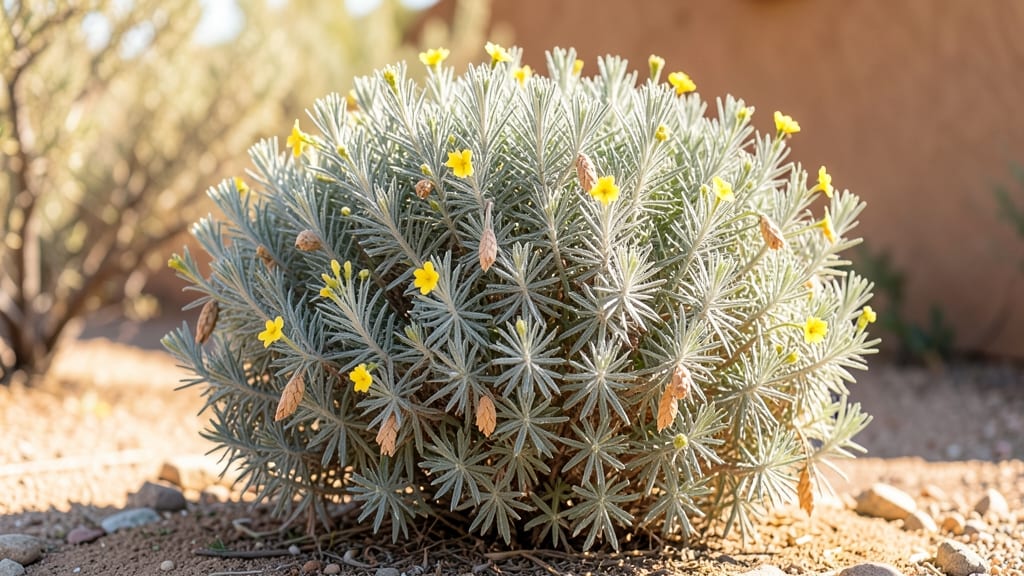
Growing green hopseed bush in Arizona means beating the heat with a plant that thrives where others wilt. 🌵 This drought-resistant shrub isn’t just hardy—it’s a desert survivor that adds texture and wildlife value to your landscape while demanding almost no care once established.
Start with cold-stratified seeds in early spring, and you’ll see sprouts in just 45 days. The key is mimicking its natural desert environment: well-draining soil, full sun, and water only when the top inch dries out.
Unlike thirsty ornamentals, this bush stores moisture in its stems, making it perfect for Arizona’s intense summers.
By late summer, you’ll have a 6-foot-tall shrub with silvery-green foliage and clusters of tiny white flowers that attract bees and birds. Its papery seed pods add winter interest, and the dense growth helps control erosion on slopes or rocky areas.
Native to Australia but naturalized in Arizona, this plant isn’t invasive here—just incredibly adaptable. Prune lightly after flowering to maintain shape, and watch it become the low-maintenance backbone of your desert garden.
📚 In This Guide
- What you need
- Instructions
- Tips and common mistakes
- Wrapping up and next steps
What you need
- ● Green hopseed (Dodonaea viscosa) seeds – 10–20 seeds (organic, cold-stratified for best results).
- ● Cold-stratification supplies: Ziplock bag or breathable seed packet
- ● Moist paper towels or peat moss (enough to lightly cover seeds)
- ● Refrigerator (set to 35–40°F)
- ● Growing containers – 4–6-inch pots (with drainage holes) or a seed tray.
- ● Well-draining potting mix – 1–2 gallons (cactus/succulent mix or 50% perlite + 50% compost).
- ● Spray bottle (for gentle watering).
- ● Grow lights or sunny windowsill (6+ hours of light daily).
- ○ Heat mat (optional but helpful) – For indoor starts (set to 70–75°F).
- ○ Gloves (optional—hopseed can be slightly sticky!).
- ● Small hand trowel (for transplanting seedlings).
- ● Fertilizer – Balanced liquid fertilizer (5-5-5) or worm castings.
- ● Mulch – Gravel or straw (to retain moisture in Arizona’s dry climate).
- ● pH test kit (ideal soil pH: 6.0–7.5).
- ● Label markers (to track seedling progress!).
Step-by-Step instructions for growing green hopseed bush in Arizona
Cold-stratification is the secret to breaking dormancy—here's how to coax those seeds into sprouts in under two months.
🌱 Step 1: Prepare Seeds for Cold Stratification
Fill a resealable plastic bag with damp paper towels—wrung out but not dripping—and place 20-30 seeds evenly spaced inside. Seal the bag and label it with the date. This moisture mimics Arizona’s winter rains, which trigger germination in the wild.
Place the bag in your refrigerator’s crisper drawer (the coldest spot without freezing) for 6-8 weeks. Check weekly for mold—if you see fuzzy growth, toss the seeds and start fresh. You’ll know stratification worked when the seeds split open slightly or show tiny white roots peeking out.
☀️ Step 2: Sow Stratified Seeds in Containers
Fill 4-inch pots with a mix of 50% cactus/succulent soil and 50% perlite—this ensures excellent drainage, which is critical in Arizona’s intense sun. Plant seeds 1/4 inch deep, spacing them 1 inch apart in each pot. The dry mix prevents rot while allowing roots to establish quickly.
Water gently until moisture reaches the bottom of the pot, then place containers in a warm spot (around 70°F) with bright, indirect light. You’ll see sprouts in 7-14 days—watch for the first true leaves (not the initial seed leaves) to appear before hardening off.
💧 Step 3: Transition to Outdoor Conditions
Once seedlings have 2-3 sets of true leaves, move them outdoors to a shaded, sheltered spot for 3-4 hours daily. Gradually increase exposure over 10 days
Water only when the top inch of soil feels dry—overwatering in containers leads to root rot. You’ll know they’re ready for permanent planting when new growth appears after the full-sun transition. The bush’s drought tolerance kicks in once established, but young plants still need consistent moisture. Transplant seedlings into their final location after the last frost date, spacing them 3-4 feet apart to allow for their eventual 6-foot spread. The green hopseed bush thrives in Arizona’s full sun once roots are established, but mulch heavily with 2 inches of gravel or crushed rock to retain moisture and regulate soil temperature. Prune lightly in early spring to shape the bush and remove any dead or crossing branches. The plant’s silvery foliage and drought-resistant nature make it perfect for Arizona landscapes, but avoid heavy pruning—the bush blooms on new growth. You’ll see flowers in 2-3 years, followed by seed pods that attract birds and pollinators.✂️ Step 4: Establish Mature Plants in Full Sun
Tips & tricks for growing green hopseed bush in Arizona
These insider secrets will help you coax those stubborn seeds into thriving plants without the common pitfalls.
Cold Stratification Success: The 6-8 week cold treatment mimics Arizona's natural winter rains, but timing matters. Start this process in early winter so you're ready to plant outdoors by late spring. I've found that placing the bag on the top shelf of the fridge (not the crisper drawer) can sometimes be too warm—monitor the temperature with a small thermometer to keep it between 35-45°F. That slight root peek you're waiting for? It's your cue to move to Step 2.
Soil Mix Matters: The 50-50 cactus/succulent mix and perlite combination is non-negotiable for Arizona's intense sun. If you're using pre-mixed cactus soil, check the label—some brands contain too much organic matter that retains moisture. For an extra boost, add a handful of coarse sand to improve drainage. Remember, these plants hate soggy roots, so err on the side of drier rather than wetter.
Light Transition Strategy: When you're increasing outdoor exposure over those 10 days, think of it like sunburn prevention for your seedlings. Start with morning sun only—afternoon sun in Arizona is brutal. I've seen seedlings get leaf scorch after just 2 hours of midday sun too soon. Use shade cloth if you don't have a naturally shaded spot, and always water thoroughly before moving them outside for the day.
Mulching Magic: That 2-inch gravel mulch isn't just decorative—it's a game-changer for Arizona's extreme temperatures. The gravel reflects sunlight during the day while radiating heat back to roots at night. For best results, use small, rounded river rocks rather than sharp gravel that could damage stems. This technique can cut your watering needs by nearly 50% once established.
Pro Tips for Green Hopseed Bush Arizona
- These insider secrets will help you coax those stubborn seeds into thriving plants without the common pitfalls.
- Cold Stratification Success: The 6-8 week cold treatment mimics Arizona's natural winter rains, but timing matters.
- Soil Mix Matters: The 50-50 cactus/succulent mix and perlite combination is non-negotiable for Arizona's intense sun.
Frequently asked questions
about growing Green Hopseed Bush in Arizona—plus quick troubleshooting tips!Can I grow Green Hopseed Bush in Arizona’s hot climate?
Yes! While it thrives in cooler zones, Arizona’s desert climate works with cold stratification (45-day chilling) followed by warm-season planting. Start seeds indoors in late winter, then transplant after the last frost (March–April). Use shade cloth in peak summer heat to prevent bolting.
How do I cold-stratify seeds for Arizona’s short winters?
Place seeds in a moist paper towel, seal in a zip-top bag, and refrigerate for 45 days. For faster results, use a seedling heat mat (70°F) after stratification. Pro tip: Label bags with dates to avoid confusion!
What’s the best alternative if Green Hopseed Bush fails to sprout?
Try Tepary beans (native to Arizona!) or Malabar spinach—both tolerate heat and poor soil. For similar greens, amaranth or purslane are drought-resistant picks. All three thrive in Arizona’s Zone 7–10.
Why are my seedlings turning yellow or leggy?
Leggy seedlings = not enough light. Move trays to a south-facing window or use a grow light 12–14 hours/day. Yellow leaves? Check for overwatering (let soil dry between waterings) or nutrient deficiency (use balanced fertilizer like 5-5-5).
How do I harvest and use Green Hopseed Bush leaves?
Harvest young leaves anytime! Snip outer leaves first to encourage bushier growth. Use raw in salads (peppery flavor!) or cook like spinach. Seeds toast into a nutty snack—roast at 300°F for 20 mins. Fun fact: Leaves wilt quickly; store in the fridge for up to 5 days.
Wrapping up and next steps
The green hopseed bush is a fantastic, low-maintenance addition to Arizona’s gardens—packed with flavor, resilience, and versatility! 🌱 With just a bit of patience and the right cold-stratification trick, you’ll be harvesting fresh sprouts in under two months.
Whether you’re a seasoned gardener or a curious beginner, this hardy plant proves that growing your own food doesn’t have to be complicated.
Ready to dive in? Grab those seeds, prep your space, and start your 45-day journey—your kitchen (and taste buds) will thank you! 🌿 For extra inspiration, explore local Arizona gardening groups or share your progress with fellow plant enthusiasts.