
Lawn
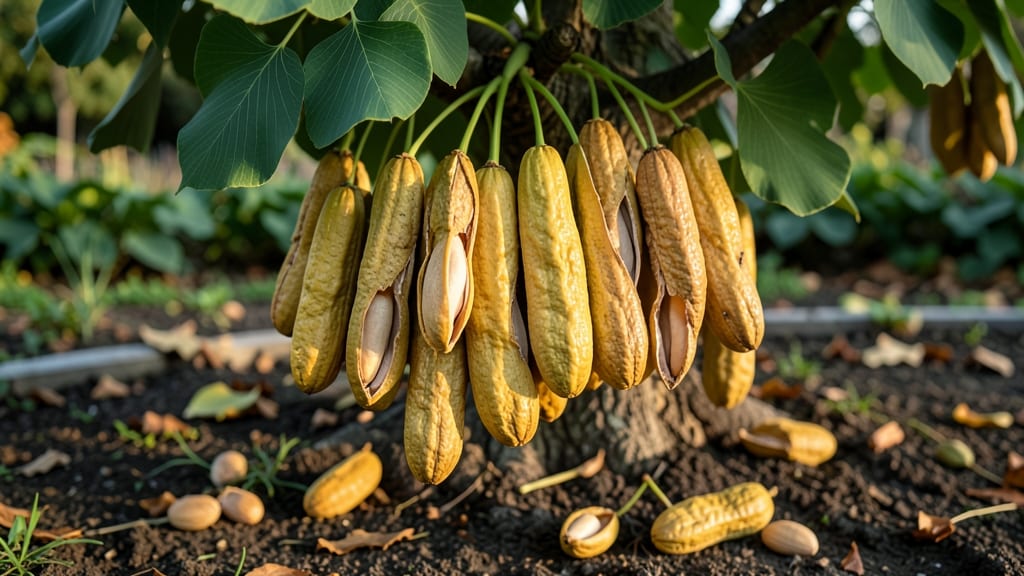
Ginkgo tree seed pods are nature’s messy little surprise—until you learn how to collect them without the sticky, smelly twist. 🌿 I’ve spent years dealing with the ginkgo’s infamous "stinky snow" (yes, that’s what the pods are called when they pile up), and I’ll show you how to turn that annoyance into viable seeds for new trees—or at least keep your yard clean while doing it.
The key is timing and technique. Pods ripen in late September to October, turning from green to golden-brown and splitting open to reveal the seeds inside. Grab them before they hit the ground—when they’re still firm but starting to crack open.
A glove and a bucket are all you need, but a small rake helps if your tree is large.
Once you’ve collected them, you’ll have two options: plant the seeds right away for fresh germination or store them in a cool, dry place until spring.
The seeds themselves are surprisingly easy to work with—just remove the outer fleshy layer (which is where that infamous smell comes from) and soak them for 24 hours before planting.
This method works whether you’re growing a new ginkgo tree or just trying to manage the fallout from an existing one. The best part? You’ll end up with trees that stay true to the parent’s traits—no surprises, just reliable, low-maintenance ginkgos that thrive for centuries.
Ready to make that stinky snow work for you?
📚 In This Guide
- What you need
- Instructions
- Tips and common mistakes
- Wrapping up and next steps
What you need
- ● Ginkgo tree seed pods: Freshly fallen or hand-picked (aim for 100–500 pods, depending on your project scale).
- ● Gloves: Heavy-duty nitrile or leather gloves (to protect against sticky sap and potential skin irritation).
- ● Pruning shears or loppers: Bypass-style (for harvesting pods from high branches; 6–8" blades recommended).
- ● Large plastic tub or bucket: 5+ gallon capacity (for collecting pods and debris).
- ● Newspaper or cardboard: 1–2 sheets (to line your workspace for easy cleanup).
- ● Sharp kitchen knife or pod splitter: Non-serrated (for carefully slicing pods open).
- ● Fine-mesh strainer or colander: 1/4" mesh or smaller (to separate seeds from pulp).
- ● Paper towels or clean rags: 5–10 sheets (for drying seeds).
- ● Small breathable bags: Paper or mesh bags (for seed storage; quart-sized works well).
- ● Ladder: Aluminum extension ladder (12–16 ft) for high branches.
- ● Hose with spray nozzle: For rinsing off sticky sap before handling.
- ● Food dehydrator or oven: For low-heat drying (set to 120°F or below).
- ● Magnifying glass: To inspect seeds for viability (look for plump, unblemished ones!).
- ● Labeling tags: For marking seed bags with harvest date and variety.
Step-by-step guide to harvesting ginkgo tree seed pods
Here's how to collect seed pods without twisting the tree or damaging the harvest—proven methods for healthy seeds.
🍃 Step 1: Time Your Harvest for Peak Ripeness
Ginkgo pods ripen in late fall, typically between October and November, when they turn a bright yellow and begin to split open naturally. Wait until the pods are fully yellow but still intact—harvesting too early means seeds aren’t fully developed, while waiting too long risks them splitting and scattering seeds on the ground.
Check the pods daily during this window. A ripe pod will feel slightly soft when gently squeezed, and the outer skin will peel away easily. If you find any pods already split open, harvest immediately to collect any exposed seeds before they fall.
🍃 Step 2: Gather Pods Without Harming the Tree
Use a pruning saw or sharp shears to cut the pods from the tree, leaving a small stem attached. Avoid twisting or pulling the pods—they’re fragile and can tear, ruining the seeds inside. Work gently and systematically, starting from the lowest branches and moving upward.
Place a large tarp or bucket beneath the branches to catch any pods that drop naturally. This also protects you from falling debris and makes cleanup easier. If you’re working with a tall tree, use a sturdy ladder or pole with a basket to reach higher pods safely.
🌱 Step 3: Process Pods to Extract Viable Seeds
Once collected, spread the pods on a clean, dry surface to air-dry for 3-5 days in a shaded area. This prevents mold and allows the outer flesh to dry out completely. You’ll know they’re ready when the flesh shrinks and turns brownish, making it easy to peel away.
To extract the seeds, gently squeeze each dried pod—it should split open to reveal 1-2 large, olive-green seeds inside. Discard any pods that feel hollow or contain shrunken, discolored seeds. Store the viable seeds in a paper bag in a cool, dry place until you’re ready to plant.
⏰ Step 4: Store Seeds for Future Planting
Ginkgo seeds can remain viable for up to 6 months if stored properly. Keep them in a paper bag or breathable container (never plastic, which traps moisture and causes rot) in a cool, dark place like a basement or refrigerator.
Before planting, soak the seeds in lukewarm water for 24 hours to soften the outer shell. This step improves germination rates significantly. After soaking, plant them 1 inch deep in well-draining soil, keeping them consistently moist until sprouts appear in 4-8 weeks.
Tips & tricks for perfect ginkgo tree seed pod harvesting
Here's what nobody tells you about harvesting ginkgo pods without ruining the seeds or stressing the tree.
Timing is Everything: The October-November window is critical—pods turn yellow and soften as they ripen. I learned this the hard way after harvesting too early and finding underdeveloped seeds. Check pods daily once they start yellowing, and harvest immediately if any begin splitting naturally. This prevents seed loss from scattered pods on the ground.
The Gentle Touch Technique: Never twist or pull pods—they're more delicate than they look. Use sharp pruning shears to cut cleanly, leaving a small stem attached. This preserves the seed integrity inside. I've seen pods tear open when pulled, ruining the harvest. Work systematically from bottom to top branches to avoid overloading any single branch.
Drying Done Right: Spread pods on a clean, dry surface in a shaded area for the full 3-5 days. Too little drying risks mold, while over-drying can make the pods brittle and difficult to open. I've found that placing them on a wire rack with good airflow speeds up the process without sacrificing quality. Watch for the flesh to turn brownish—this is your cue they're ready for seed extraction.
Storage Wisdom: Paper bags are your friend for storing viable seeds. The breathable material prevents moisture buildup that causes rot. I've had seeds last up to 6 months in a cool basement, but I always double-check for any signs of mold before planting. Never use plastic containers—they trap moisture and create the perfect environment for seed spoilage.
Pro Tips for Ginkgo Tree Seed Pods
- Here's what nobody tells you about harvesting ginkgo pods without ruining the seeds or stressing the tree.
- Timing is Everything: The October-November window is critical—pods turn yellow and soften as they ripen.
- The Gentle Touch Technique: Never twist or pull pods—they're more delicate than they look.
Frequently asked questions
Why do ginkgo seed pods smell so bad?
Ginkgo seed pods release a strong, unpleasant odor (often called "rotten egg" or "skunky") due to butyric acid and other sulfur compounds. This is natural—don’t worry, it won’t harm you or your trees! The smell fades once the pods dry out or are processed. Pro tip: Work outdoors or near an open window to minimize the stink!
When is the best time to harvest ginkgo seed pods?
Harvest pods when they turn yellowish-brown and start splitting open (typically late summer to early fall, August–October). Wait until they’re partially dry but not yet mushy—overripe pods release seeds prematurely and attract pests. Check weekly for the perfect timing!
Can I use ginkgo seeds from store-bought pods?
Store-bought ginkgo seeds (like those in supplements) are usually sterilized or processed and won’t grow into trees. For viable seeds, you must harvest fresh pods from mature ginkgo trees (male trees produce no pods, so ensure you’re harvesting from females). If you’re unsure, ask a local nursery for help identifying your tree!
What should I do if my harvested pods attract pests?
Pests like flies, beetles, or rodents are drawn to the pods’ smell and moisture. To deter them:
- Harvest pods early in the morning when pests are least active.
- Store pods in a mesh bag or breathable container in a cool, dry place.
- Freeze pods for 24 hours to kill eggs/larvae before processing.
- Clean up fallen pods promptly to avoid infestations.
How do I know if my ginkgo seeds are viable?
Viable ginkgo seeds are plump, firm, and dark brown inside the pod. To test viability:
- Crack open a seed—it should have a white, fleshy interior (not hollow or moldy).
- Float test: Drop seeds in water. Viable seeds sink; floaters are likely bad.
- Germination rate is low (<10%), so plant 20+ seeds for better odds!
Wrapping up and next steps
Harvesting ginkgo tree seed pods doesn’t have to be messy or complicated—just follow the right steps for viable, twist-free seeds! With the right tools, timing, and techniques, you can turn those unique, fleshy pods into a rewarding gardening project.
Whether you’re saving seeds for propagation or simply admiring nature’s quirks, this guide gives you the confidence to tackle the task like a pro.
Ready to put your new skills to use? 🌱 Start by planting your harvested seeds or sharing your twist-free techniques with fellow gardeners. Your green thumb is about to grow even stronger!