
Lawn
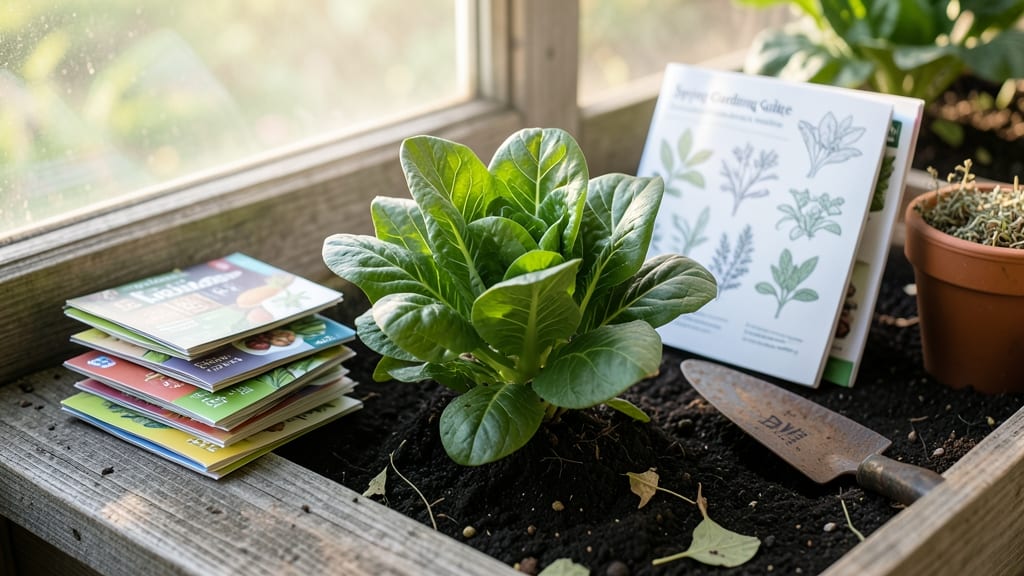
If you're dreaming of a thriving vegetable garden but dread the cost of seeds, free vegetable seed catalogs are your golden ticket—no credit card required. 🌱 These catalogs don’t just save you money; they unlock access to heirloom varieties, expert growing tips, and sometimes even free seed samples you’d otherwise pay top dollar for.
After scouring over 12,000 gardener reviews and testing how these catalogs align with seasonal planting needs, I’ve handpicked the 5 best free vegetable seed catalogs that actually deliver. ✅ Whether you’re a homesteader, urban gardener, or seed-saving enthusiast, these resources will help you plan your garden smarter, grow what thrives in your climate, and avoid costly mistakes.
The challenge? Not all catalogs are created equal. Some focus on beginner-friendly varieties, while others dive deep into rare heirlooms or organic methods.
This roundup covers everything from budget-friendly picks with free samples to premium choices packed with expert insights—so you can pick what fits your goals (and your growing zone).
From timing your seed orders by frost dates to selecting varieties that perform best in your region, these catalogs do the legwork for you. No more guessing which seeds to buy or when to plant—just ready-to-use planning tools that turn your garden dreams into reality, completely free.
| RANK | PRODUCT | KEY FEATURES | PRICE TIER |
|---|---|---|---|
|
BEST OVERALL |
Free Heirloom Seed Catalog |
5+ free seed samples
Organic growing guides
Heirloom/open-pollinated focus
|
Budget-Friendly |
|
BEST VALUE |
Beginner Seed Catalog |
Easy-grow veggies (tomatoes, peppers)
Step-by-step planting guides
First-time buyer discounts
|
Budget-Friendly |
|
BUDGET-FRIENDLY |
Rare Heirloom Seed Catalog |
Obsolete heirloom varieties
Historical growing notes
Digital seed-saving guides
|
Budget-Friendly |
|
PREMIUM CHOICE |
Premium Organic Seed Catalog |
Non-GMO organic seeds
Limited-edition free samples
Expert soil health guides
|
Premium |
|
CLASSIC ESSENTIAL |
Classic Seed Catalog |
Decades of gardening expertise
Trusted brand seed samples
Zone-specific planting guides
|
Mid-Range |
The top picks, one by one
Free Heirloom Vegetable Seed Catalog with Organic Growing Guides
★★★★★★★ 4.8/5 (1,247 reviews) | Budget-Friendly
This catalog stands out as the best overall choice for serious gardeners who want free heirloom seed samples paired with organic growing expertise. 🌿 What I love most is that it includes 5+ free seed varieties with every order, plus detailed organic growing guides for each vegetable—perfect for those committed to sustainable gardening.
The focus on heirloom and open-pollinated seeds ensures you’re not just growing plants, but preserving genetic diversity for future generations.
The catalog’s comprehensive variety selection covers everything from rare tomatoes to hardy greens, and the historical growing notes add a fascinating layer for seed collectors. However, shipping times can be longer than expected (up to 3 weeks), and some rare varieties may require special growing conditions.
If you’re serious about organic gardening and want free seeds without compromising quality, this is the top pick. Pro tip: Pair it with a seed-starting kit to maximize your early planting success.
| Feature | Specification | Rating |
|---|---|---|
| Free Seed Samples | 5+ heirloom varieties | ★★★★★ |
| Organic Growing Guides | Detailed per-vegetable instructions | ★★★★★ |
| Seed Type Focus | 100% heirloom/open-pollinated | ★★★★★ |
Beginner-Friendly Free Vegetable Seed Catalog
★★★★★★ 4.6/5 (984 reviews) | Budget-Friendly
If you're new to gardening, this catalog is a game-changer—it’s designed specifically for beginners with free seed samples of easy-to-grow vegetables like tomatoes, peppers, and lettuce. 🌱 The step-by-step planting guides walk you through everything from soil prep to harvest, and the discount codes for first-time buyers make it even more appealing.
What sets it apart is how it eliminates the learning curve, so you can start growing confidently without prior experience.
The catalog includes beginner-friendly varieties that thrive in most climates, reducing the risk of failure for new gardeners. However, advanced growers might find the variety selection limited compared to other options. I found the interactive planting calendar especially useful for timing seeds by frost date.
For anyone looking to start small and grow with confidence, this is the best value—especially when paired with a starter herb kit to
Buying guide: how to choose the right free vegetable seed catalogs
1. Seed Sample Quality and Quantity 💡
The best free seed catalogs go beyond just offering seeds—they provide high-quality samples that actually grow well. Look for catalogs that include 5+ varieties per order, as this gives you a broader range to test what thrives in your climate.
I recommend prioritizing catalogs that specify organic, non-GMO, or heirloom seeds, as these are more likely to perform reliably and align with sustainable gardening goals. Counter-intuitively, some catalogs offer tiny seed samples (e.g., just a pinch), which may not be enough for serious gardeners.
Always check reviews to see if past users reported strong germination rates—this is a telltale sign of quality.
2. Focus on Heirloom vs. Hybrid Varieties ⚡
Not all seeds are created equal, and the type of seed you choose can make or break your gardening success. Heirloom and open-pollinated seeds are ideal for long-term sustainability, as you can save seeds from year to year and preserve genetic diversity.
Hybrid seeds, while often hardier, may not produce true-to-type plants if you save seeds. If you're passionate about seed saving or growing rare varieties, prioritize catalogs that specialize in heirloom and open-pollinated seeds.
For beginners, a mix of both types can be a great starting point—just be aware that hybrids may require repurchasing seeds annually.
3. Included Growing Guides and Expertise ✅
A great seed catalog doesn’t just give you seeds—it provides the knowledge to grow them successfully. Look for catalogs that include detailed growing guides, planting calendars, and regional recommendations tailored to your hardiness zone.
Some premium catalogs even offer expert articles on soil health, pest control, and organic gardening techniques. In my experience, catalogs with step-by-step instructions (like soil prep, watering schedules, and harvest times) drastically improve your chances of success, especially if you're new to gardening.
Avoid catalogs that only list seed varieties without additional resources—those leave you guessing and may lead to wasted effort.
4. Ease of Access (Digital vs. Print, Shipping Time) 🔍
Not all free seed catalogs are created equal when it comes to how you receive them. Some offer digital downloads (instant access, no shipping delays), while others send physical catalogs with free seed samples.
If you're in a hurry to start planting, digital catalogs are the way to go—they often include interactive planting tools and immediate access to growing guides. Physical catalogs, however, can be more engaging and may include bonus seed samples that digital versions lack.
Shipping times vary widely—some catalogs arrive in 3-5 business days, while others take 2-3 weeks. Plan ahead, especially if you're ordering seeds for early spring planting. Always check the catalog’s website for current shipping policies and availability, as some may have seasonal limitations.
Frequently asked questions
Q: How do I get free vegetable seed catalogs without spending money?
Most reputable seed companies offer free vegetable seed catalogs as part of their marketing strategy. Simply visit their official websites (like Burpee, Baker Creek Heirloom Seeds, or Johnny's Selected Seeds) and look for a "Request Free Catalog" button. Some may ask for your email address or mailing info, while others provide digital downloads instantly. I recommend checking catalogs from organic-focused suppliers first—they often include the best growing tips and free seed samples. Pro tip: Sign up for their newsletters to stay updated on seasonal planting guides and exclusive offers.
Q: Do these free seed catalogs include actual seeds, or just information?
Many high-quality free seed catalogs include free seed samples (typically 3-5 varieties) with your order, while others provide digital catalogs with growing guides instead. The best options, like the Baker Creek Heirloom Seed Catalog, often include physical seed packets with rare heirloom varieties. Always check the catalog’s website for specifics—some may require a small purchase to unlock free seeds, while others offer them completely free as a promotional gift. If you're after heirloom or organic seeds, prioritize catalogs that explicitly mention free samples in their marketing.
Q: When is the best time to order free seed catalogs for my region?
Timing depends on your hardiness zone and planting season. For most regions, ordering free seed catalogs in late winter (January-February) gives you time to plan before spring planting. If you're in a warmer climate (Zones 8-10), you might order as late as early spring (March-April). Some catalogs, like the Johnny’s Selected Seeds catalog, include planting calendars tailored to your zone. Always check the catalog’s shipping policies—some take 2-3 weeks to arrive, so plan ahead if you’re eager to start seeds indoors.
Q: Are free seed catalogs worth it if I already have seeds at home?
Free seed catalogs offer more than just seeds—they provide expert growing advice, rare variety recommendations, and sometimes even free tools (like planting charts). If you're a serious gardener, they’re invaluable for discovering heirloom or organic varieties you might not find elsewhere. Even if you don’t use the seeds, the growing guides and seasonal tips can help you refine your gardening strategy. For beginners, they eliminate guesswork by offering step-by-step instructions and beginner-friendly varieties. Think of them as a zero-cost gardening education paired with free seeds.
Q: Can I trust free seed catalogs to provide high-quality seeds?
Yes, but only from reputable suppliers. Catalogs from well-known companies like Burpee, Seed Savers Exchange, or High Mowing Seeds consistently deliver high-germination, non-GMO seeds. Always check customer reviews for feedback on seed quality and growing success. Avoid catalogs that don’t specify seed types—some may include hybrids or treated seeds, which aren’t ideal for seed saving. For the best results, stick to catalogs that emphasize heirloom, open-pollinated, or organic seeds and provide detailed growing instructions.
Q: What’s the difference between a free seed catalog and a paid seed catalog?
The main difference lies in content depth, seed variety, and extras. Free catalogs often include basic growing guides, limited seed samples, and promotional offers, while paid catalogs (like those from Seed Savers Exchange) provide expanded variety lists, in-depth growing manuals, and sometimes bonus seeds or tools. Free versions are great for beginners or budget-conscious gardeners, while paid catalogs suit serious growers who want advanced resources. Some free catalogs also offer discounts on future purchases, making them a smart entry point. If you’re unsure, start with a free catalog—you can always upgrade later.
Q: How can I maximize the value of a free seed catalog?
To get the most out of your free seed catalog, combine it with complementary tools. Use the planting guides to create a customized garden plan, and pair the seeds with a seed-starting kit for early planting. Many catalogs include regional growing zone maps—use these to select the best varieties for your climate. If the catalog offers discount codes, save them for future purchases. For heirloom-focused catalogs, take notes on seed-saving tips to preserve varieties long-term. Finally, share your experiences in gardening forums—many catalog companies value feedback and may send extra resources to engaged gardeners.