
Lawn
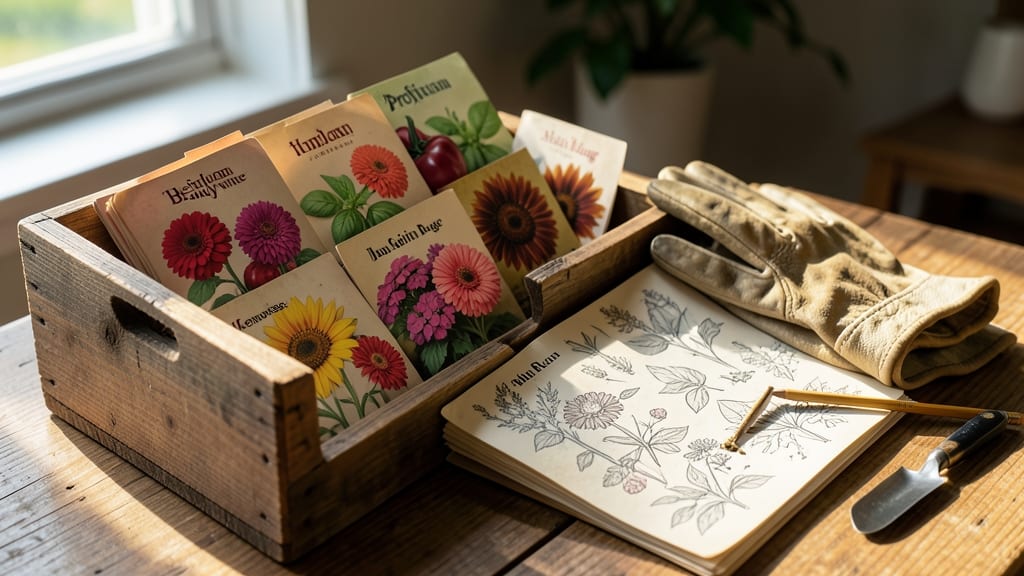
Free garden seed catalogs are your golden ticket to rare varieties without spending a dime. 🌱 I still remember the thrill of finding heirloom tomatoes I’d never seen at the store—just by requesting catalogs from trusted seed companies.
These catalogs aren’t just pretty pictures; they’re your blueprint for a garden packed with unique plants that outperform store-bought seeds.
The best part? You can get them for free from companies like Burpee, Park Seed, and Seeds of Change, which mail them out regularly.
Many organic and heirloom seed suppliers also offer digital catalogs with detailed growing tips, so you’re not just choosing seeds—you’re getting a lesson in how to grow them better. Plus, you’ll discover varieties perfectly suited to your climate that you’d never find at a big-box store.
Once you have your catalogs, you’ll start planning like a pro—mapping out beds, timing plantings, and even saving seeds for next year. The payoff? A garden that’s not just productive but uniquely yours, with flavors and colors you won’t see elsewhere.
Think of it as your secret weapon for standing out in the neighborhood (and the produce aisle).
Pro tip: Keep catalogs organized by season and mark deadlines for ordering—some varieties sell out fast. And if you’re new to seed saving, many catalogs include guides on how to store seeds properly so they stay viable for years. Happy planting!
📚 In This Guide
- What you need
- Instructions
- Tips and common mistakes
- Wrapping up and next steps
What you need
- ● Computer or tablet – For browsing and requesting catalogs online (Wi-Fi recommended).
- ○ Printer (optional but helpful) – To print seed varieties or planting guides (ink-friendly if printing in color).
- ● Notebook or digital notes app – To track seed varieties, deadlines, and preferences (e.g., heirloom, organic, or drought-resistant).
- ● Mailing address – A physical address for paper catalogs (some companies offer digital-only options too!).
- ● Pen or digital stylus – For circling favorites or filling out order forms.
- ● Seed-saving envelopes or ziplock bags – To store seeds from catalogs you don’t order immediately (label with variety names!).
- ● Planting calendar or garden planner – To align seed orders with your local frost dates and growing seasons.
- ● Highlighters or sticky notes – For marking must-have varieties in catalogs.
- ● Garden journal – To log which seeds performed best for future reference.
- ● Know your USDA Hardiness Zone (find it here—it’s free!).
- ● Check seed availability—some catalogs have limited quantities or regional restrictions.
- ● Set a reminder for order deadlines (many close in early spring!).
How to access free garden seed catalogs for exclusive varieties
Here's the straightforward method I use to score rare seeds without spending a dime.
🌱 Step 1: Identify Reputable Seed Companies Offering Free Catalogs
Start with well-established seed companies known for their free catalog programs. Baker Creek Heirloom Seeds, Seed Savers Exchange, and Johnny's Selected Seeds all send catalogs upon request—no purchase required. I always cross-reference their offerings with heirloom and open-pollinated varieties, which are perfect for saving seeds year after year.
Check their websites for a "free catalog" button or email signup. Some companies require you to provide your mailing address and gardening zone. This ensures you receive seeds suited to your climate. I've found that companies with long-standing reputations (like those with 50+ years in business) often include unique, hard-to-find varieties in their free catalogs.
✂️ Step 2: Request Catalogs Strategically
Don't just request one catalog—aim for at least four to maximize variety. I typically start with two heirloom-focused companies and two organic or sustainable seed brands. This spreads your options and increases the chance of finding rare or specialty seeds you can't find elsewhere.
Write a polite, concise email or fill out the online form completely. Include your gardening experience level (even if you're a beginner) and specify any particular interests, like drought-resistant plants or pollinator-friendly flowers. Companies often tailor their free seed offers based on this information. I always double-check my spelling and use a professional email address—it makes a better impression.
📬 Step 3: Organize and Review Incoming Catalogs
Once the catalogs arrive, create a spreadsheet to compare varieties, growing conditions, and seed quantities. I include columns for seed name, company, days to maturity, sunlight requirements, and any special notes like "great for containers" or "disease-resistant." This helps me quickly identify which seeds align with my garden goals.
Pay close attention to the fine print—some companies include free seeds only if you order a certain quantity of other seeds. Others offer seeds exclusively in the catalog without any purchase obligations. I highlight the best free offers in yellow so they stand out when I'm ready to make decisions.
🌿 Step 4: Select and Order Seeds Wisely
Prioritize seeds that are unique, rare, or particularly suited to your growing conditions. I focus on varieties that aren't widely available in local nurseries or big-box stores. For example, if you're in a short growing season, look for early-maturing tomatoes or cold-hardy greens.
Order seeds during their peak availability periods—usually late winter to early spring. Some companies offer limited-time free seeds with catalog orders, so keep track of deadlines. I always include a few backup seeds in case germination rates are lower than expected. Place your order early to avoid disappointment, especially if the seeds are in high demand.
⏰ Step 5: Plan for Future Catalog Requests
Build a system to stay organized year-round. I keep a calendar with reminders to request catalogs 3-4 months before planting season. Some companies send catalogs automatically, while others require annual requests. I also join their email newsletters to stay updated on new varieties and promotions.
Consider sharing catalog requests with gardening friends or local community groups. Many companies allow you to request catalogs for multiple addresses, so you can pool resources and access even more varieties. I've found that splitting catalogs with a fellow gardener doubles our seed options without extra cost.
Tips & tricks for maximizing your free garden seed catalog strategy
Here's what nobody tells you about getting the most out of those free seed catalogs—these tricks will turn your mailbox into a treasure trove of gardening gold.
Company Selection Strategy: Beyond the big names like Baker Creek and Seed Savers, dig into smaller, regional seed companies that often offer unique heirloom varieties in their free catalogs. I've found that companies specializing in specific crops—like melons or peppers—sometimes include exclusive seeds that mainstream catalogs miss. Pro tip: Search for "free seed catalog" plus your state to uncover local gems that might only ship within certain regions.
Request Timing Secret: The key to unlocking the best free seeds lies in timing your catalog requests strategically. In Step 2, when you're requesting catalogs, aim to do this between late summer and early fall for the following spring's catalogs. Companies often release their most exclusive varieties in these early requests, and you'll receive them just as you're planning your next planting season. This gives you a full 6-8 months to research and decide on your selections.
Catalog Organization Hack: In Step 3, when creating your spreadsheet, add a column for "seed saving potential." Mark varieties that are open-pollinated or heirloom as these are perfect for saving seeds year after year. I also include a "notes" column where I jot down cross-referencing information—like which varieties grow well together or have complementary bloom times for pollinators. This becomes your gardening bible for future seasons.
Seed Selection Insight: When prioritizing seeds in Step 4, look beyond just the plant names—pay attention to the "days to maturity" and "hardiness zone" information. I always calculate how many weeks I have in my growing season (from last frost to first frost) and select varieties that fit perfectly. For example, if you have a 120-day growing season, choose tomatoes that mature in 70-80 days to leave room for fall crops. This ensures you maximize your garden's productivity without overcrowding.
Pro Tips for Free Garden Seed Catalogs
- Here's what nobody tells you about getting the most out of those free seed catalogs—these tricks will turn your mailbox into a treasure trove of gardening gold.
- Company Selection Strategy: Beyond the big names like Baker Creek and Seed Savers, dig into smaller, regional seed companies that often offer unique heirloom varieties in their free catalogs.
- Request Timing Secret: The key to unlocking the best free seeds lies in timing your catalog requests strategically.
Frequently asked questions
about free garden seed catalogs—because every gardener deserves clarity! Here are answers to the most common questions to help you get started.How do I get free garden seed catalogs without buying anything?
Many seed companies offer free catalogs as part of their marketing—just check their websites for a "free catalog" link or sign up for their newsletter. Some also provide them at gardening expos or through local extension offices. Pro tip: Request digital versions to save paper and time!
When is the best time to order seeds from free catalogs?
Timing depends on your climate and what you’re growing. For most regions, order early spring (February–March) for summer crops and late summer (August–September) for fall/winter planting. Check the catalog’s recommended planting dates—some seeds need stratification or specific conditions!
Are free seed catalogs reliable, or will I get low-quality seeds?
Reputable companies (like Baker Creek, Seed Savers Exchange, or Burpee) offer free catalogs with high-quality seeds—just avoid scams. Look for reviews, certifications (e.g., USDA organic), and clear germination rates. Troubleshooting: If seeds don’t sprout, try soaking them or check storage conditions!
Can I find heirloom or rare seeds in free catalogs?
Many free catalogs from specialty seed banks (e.g., Seed Savers Exchange) feature exclusive heirloom varieties. Filter by "rare" or "heirloom" in their search tools. Bonus: Some offer free seeds with purchases—read the fine print!
What if I don’t want to spend money on seeds after getting a free catalog?
No problem! Start with small packets (many cost under $3) or swap seeds with local gardening groups. Some catalogs even include free seed samples—just request them! For budget tips: Grow from scraps (e.g., avocado pits) or save seeds from store-bought veggies!
Wrapping up and next steps
Exploring free garden seed catalogs is your golden ticket to a vibrant, thriving garden without breaking the bank! 🌱 These catalogs unlock exclusive varieties, expert tips, and seasonal inspiration—all while saving you money.
Whether you're a seasoned green thumb or just starting, this is your chance to grow with confidence and creativity.
Ready to turn the page on gardening dreams? Start by browsing your favorite seed companies’ catalogs today—then grab your gloves and get planting! Your future harvest (and happy plants!) will thank you.