
Propagation
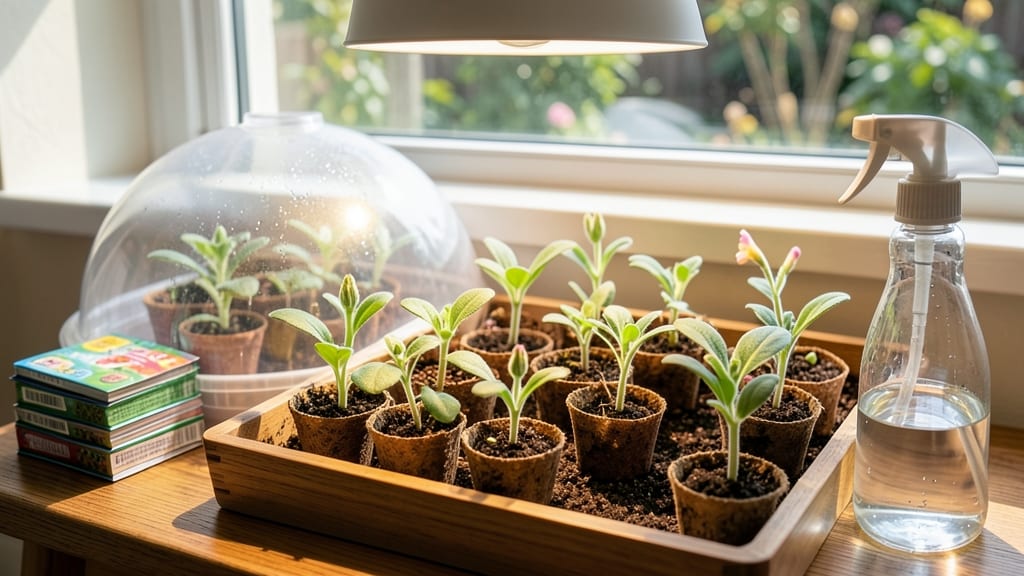
Growing snapdragons from seed indoors lets you beat the heat and start blooms 60 days before store-bought plants even arrive. 🌱 I’ve watched these tall, spiky flowers transform from tiny seeds into vibrant garden stars—all without waiting for spring.
The secret isn’t complicated, but timing and light make all the difference.
You’ll need just a few supplies: seed-starting mix, small pots or a seed tray, and a warm, sunny spot. Snapdragons germinate best in 65-75°F soil, so a heat mat helps if your home runs cooler.
Plant seeds 1/8-inch deep, keeping them moist but never soggy—this is where most beginners trip up. A simple grow light or south-facing window keeps seedlings from stretching like overcaffeinated teenagers.
By day 40, you’ll be pinching back leggy stems to encourage bushier growth, and by day 60, those first tall, colorful spikes will have you dreaming of summer borders. The best part?
You control the variety—dwarf snapdragons for containers, towering varieties for cut flowers, or even fragrant types that smell like candy. No more settling for what the nursery stocks.
This method works year-round, whether you’re a city dweller with a sunny windowsill or a suburban gardener prepping for an early spring. The key is patience—those first green shoots might look fragile, but they’ll reward you with bold, long-lasting blooms that hummingbirds can’t resist. Ready to grow your own?
📚 In This Guide
- What you need
- Instructions
- Tips and common mistakes
- Wrapping up and next steps
What you need
- ● Snapdragon seeds – Choose high-quality, non-GMO seeds (e.g., heirloom or hybrid varieties like 'Black Prince' or 'Rocket'). Quantity: 10–20 seeds (for a small batch).
- ● Seed-starting trays or pots – Use biodegradable peat pots (2–3 inches deep) or small plastic cell trays (12–24 cells). Quantity: 1 tray or 10–20 pots.
- ● Seed-starting mix – A lightweight, sterile mix (e.g., 50% peat moss + 50% perlite or vermiculite). Avoid garden soil!
- ● Grow lights or sunny windowsill – Snapdragons need 12–16 hours of light daily. Use full-spectrum LED grow lights (12–24 inches above plants) if natural light is insufficient.
- ● Spray bottle – For gentle watering (avoid over-saturating seeds).
- ○ Heat mat (optional but helpful) – Keeps soil at 70–75°F to speed up germination (especially for slower varieties).
- ● Humidity dome or plastic wrap – Creates a mini greenhouse to retain moisture while seeds sprout.
- ● Fertilizer (balanced, water-soluble) – Use a 5-10-5 or 10-10-10 formula once seedlings have 2–3 true leaves.
- ● Seedling heat gun or fan – Encourages strong stems by preventing damping-off disease.
- ● pH test kit – Ensures soil pH is 6.0–7.0 (ideal for snapdragons).
- ● Grow journal – Track germination dates, light exposure, and watering schedules for future reference!
- ● Compost tea or mycorrhizal fungi – Boosts soil health and root development.
Step-by-step instructions for growing snapdragons from seed indoors
Snapdragons thrive with the right timing and care—here’s how to get them from seed to bloom in just 60 days.
🌱 Step 1: Prepare Containers and Planting Mix
Start with 4-inch deep seed trays or small pots filled with sterile seed-starting mix—never garden soil. Snapdragons hate soggy roots, so add 20% perlite to improve drainage. Moisten the mix until it’s damp like a wrung-out sponge, but not dripping. Pack it lightly to remove air pockets, then smooth the surface with your fingers.
I like to use biodegradable peat pots for snapdragons because they minimize root disturbance when transplanting. Fill each pot to 1 inch below the rim, leaving space for seeds and soil. Label your pots with the variety and planting date—snapdragons come in many colors, and you’ll want to keep them straight.
🌱 Step 2: Sow Seeds at the Right Depth and Spacing
Snapdragon seeds are tiny but easy to handle. Scatter 2-3 seeds per cell or pot, pressing them just ⅛ inch deep into the soil. Planting too deep slows germination, while too shallow risks drying them out. I use a toothpick to create tiny holes and drop seeds in one by one—this prevents overcrowding and ensures even spacing.
Cover the seeds lightly with a thin layer of fine soil or vermiculite. Mist the surface with water until evenly moist, but avoid soaking. Place the trays in a clear plastic dome or seal with plastic wrap to trap humidity. Keep them in a warm spot (70-75°F)—a seedling heat mat speeds germination significantly.
💧 Step 3: Germinate Under Controlled Conditions
Snapdragons germinate best in consistent warmth and moisture. Check daily for sprouts, which typically appear in 7-14 days. Remove the dome once 50% of seeds have sprouted—leaving it on too long causes damping-off, a fungal disease that kills seedlings overnight.
Place trays under grow lights 2-3 inches above the plants for 14-16 hours daily. Snapdragons need strong light to avoid leggy growth. You’ll know they’re getting enough when the first true leaves (not the initial seed leaves) appear compact and dark green. If they stretch toward the light, lower the lights or move them closer.
☀️ Step 4: Thin and Harden Off for Transplanting
Once seedlings have 2-3 sets of true leaves, thin to the strongest plant per pot. Use scissors to snip weak stems at soil level—pulling risks damaging roots. Space remaining plants 1 inch apart to prevent competition. Fertilize lightly with a diluted fish emulsion (5-5-5) to encourage sturdy growth.
Start hardening off 2 weeks before your last frost. Move trays outside for 1-2 hours daily, gradually increasing time. Watch for wilting or yellowing—this means they’re not ready. Snapdragons tolerate light frost but prefer 50-60°F nights. Transplant on a cloudy day or in late afternoon to reduce shock.
⏰ Step 5: Plant Outdoors and Maintain for Blooms
Set transplants 12-18 inches apart in full sun (6+ hours daily). Dig holes slightly deeper than the root ball to encourage strong anchors. Water deeply after planting to settle soil. Snapdragons bloom best when deadheaded regularly—pinch spent flowers to encourage more blooms.
Keep soil evenly moist but not soggy. Mulch with 1 inch of straw to retain moisture and suppress weeds. In 60 days from sowing, you’ll see vibrant blooms—just keep pinching and watering for continuous flowers all season.
Tips & tricks for growing snapdragons indoors
Here's what I learned after growing snapdragons from seed indoors for years—these small details make all the difference between wimpy seedlings and thriving plants.
Germination Environment: The 70-75°F warmth requirement is non-negotiable for snapdragons. If your home runs cooler, place trays on top of your fridge or use a seedling heat mat. I've seen germination rates drop by 50% when seeds sit below 65°F—they simply won't sprout reliably. The plastic dome creates a greenhouse effect, but remove it immediately when you see condensation forming on the inside. This prevents the fungal disease damping-off, which can wipe out your entire batch overnight.
Lighting Strategy: Those 14-16 hours of grow light aren't just about duration—the distance matters too. Position lights 2-3 inches above seedlings and adjust as they grow. I use a timer to automate this because snapdragons get leggy fast when light cycles are inconsistent. If you notice stems stretching toward the light source, it's time to lower the lights immediately. The goal is compact, dark green leaves—not tall, spindly stems that'll flop over.
Thinning Technique: When thinning to your strongest seedling, use clean scissors to snip at soil level rather than pulling. This prevents disturbing the roots of your remaining plant. I've found that seedlings left too close together compete for nutrients, resulting in stunted growth. After thinning, give your remaining plant a gentle shake to check root development—healthy roots should feel firm and well-anchored in the soil.
Transplanting Timing: The 2-week hardening off period is your safety net against transplant shock. Start with just 1-2 hours of outdoor exposure on mild days, then gradually increase. Watch for wilting or yellowing—these are clear signs your plants aren't ready for full sun yet. I always transplant on cloudy days or in late afternoon to minimize stress from direct sunlight. Snapdragons are surprisingly frost-tolerant, but they prefer nights in the 50-60°F range for optimal growth.
Pro Tips for Grow Snapdragons From Seed Indoors
- Here's what I learned after growing snapdragons from seed indoors for years—these small details make all the differen...
- Germination Environment: The 70-75°F warmth requirement is non-negotiable for snapdragons. If your home runs cooler, ...
- Lighting Strategy: Those 14-16 hours of grow light aren't just about duration—the distance matters too. Position ligh...
Frequently asked questions
When is the best time to start snapdragon seeds indoors?
Start seeds 8–10 weeks before your last frost date for optimal growth. For most climates, this means early spring (February–March). Snapdragons need time to mature—planting too early risks leggy seedlings, while waiting too long may shorten their bloom time. Check your frost dates and adjust!
Why aren’t my snapdragon seeds germinating?
Snapdragons need consistent warmth (70–75°F) and moisture to sprout. If seeds aren’t germinating within 10–14 days, try:
- Pressing them lightly into soil (they need light to germinate).
- Covering the tray with plastic wrap to retain humidity.
- Using a seedling heat mat for extra warmth.
How long do snapdragons take to grow from seed to flower?
With proper care, snapdragons typically flower in 90–120 days from seed. However, starting indoors accelerates this—you can expect blooms 60–80 days after germination if you follow the right timing and light conditions. Patience pays off with vibrant, fragrant flowers!
Can I grow snapdragons in small pots or containers?
Yes! Snapdragons thrive in 4–6-inch pots or containers as long as they have drainage. Use well-draining soil and transplant seedlings to larger pots (6+ inches) when they’re 2–3 inches tall. Just ensure they get plenty of sunlight—south-facing windows or grow lights are ideal.
What pests should I watch for when growing snapdragons indoors?
Common indoor pests include:
- Aphids (tiny green/black bugs on stems).
- Spider mites (webbing on leaves).
- Fungus gnats (if soil stays too wet).
Wrapping up and next steps
Growing snapdragons from seed indoors is a rewarding journey that brings vibrant blooms to your garden in just 60 days! With the right tools—like quality seeds, proper lighting, and a patient touch—you’ll enjoy a burst of color and fragrance.
Whether you’re a beginner or a seasoned gardener, this method makes it easy to nurture these cheerful flowers from scratch.
Now that you’re ready to start, take the next step! Once your seedlings sprout and grow strong, transplant them outdoors (when nighttime temps stay above 50°F) and watch your garden transform. Happy growing—your snapdragons will thank you with their dazzling displays! 🌸