
Lawn
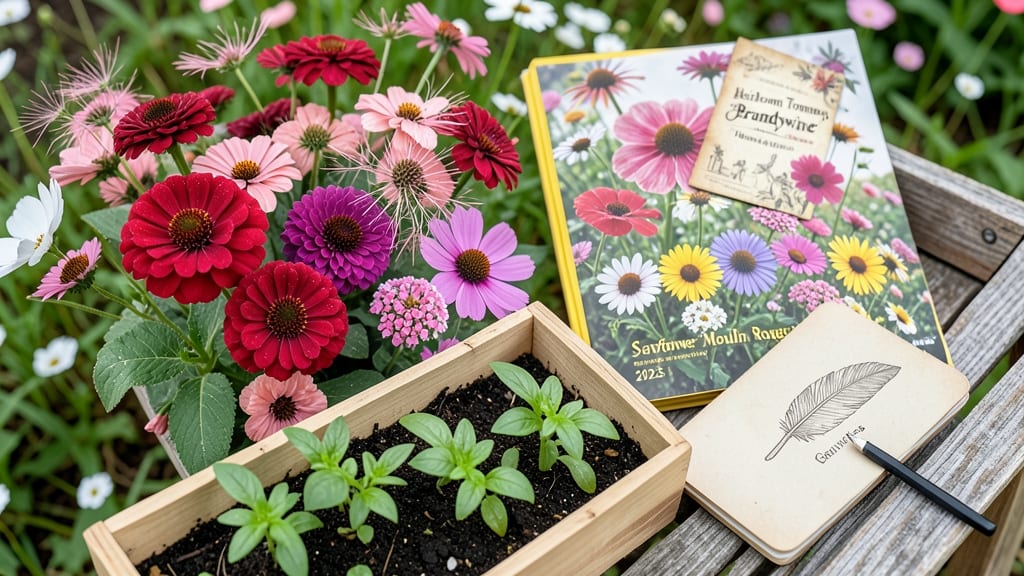
Flower seed catalogs for 2025 are your secret weapon for a garden that feels like a postcard. 🌸 I still remember the first time I flipped through one last winter—my garden went from "decent" to "showstopper" the next year, all because I planned ahead with the right varieties.
The best catalogs don't just list seeds—they tell stories. You'll find heirloom roses with names like "Old Blush," drought-tolerant lavender that thrives in 100°F heat, and pollinator favorites that bring bees buzzing by May.
Many now include planting timelines tailored to your zone, so you won't forget to start those cool-season flowers six weeks before last frost. What sets the top collections apart is how they organize by garden style: cottage gardens, cutting gardens, container displays, and even "low-maintenance" sections for busy gardeners.
You'll leave with a clear vision of next year's blooms—before the first seed packet even arrives. Start now by bookmarking your favorites. A little winter planning means summer color that doesn't just happen—it's curated.
📚 In This Guide
- What you need
- Instructions
- Tips and common mistakes
- Wrapping up and next steps
What you need
- ● Flower seed catalogs (2025 editions) – Choose 1-3 based on your garden’s size and variety preferences (e.g., heirloom, drought-resistant, or pollinator-friendly seeds).
- ● Notebook or digital planner – For tracking seed orders, planting schedules, and garden layouts.
- ● Highlighters or sticky notes – To mark favorite varieties, deadlines, and special offers.
- ● Scissors or a paper cutter – For cleanly cutting out seed order forms or catalog pages.
- ● Pens/pencils (2-3) – One for notes, one for ordering, and one backup!
- ● Ruler (12-inch) – For measuring garden beds or seed spacing in your plan.
- ● Calculator or budgeting app – To tally costs, compare bulk discounts, and plan for extras like soil amendments.
- ● Garden journal – For sketching designs, noting sunlight exposure, or jotting down seed-saving tips.
- ● Seed storage containers – Small, airtight jars or envelopes for organizing seeds post-purchase.
- ● Garden gloves (lightweight) – For handling seeds or soil prep before planting.
- ● Printed seed-starting chart – To align your 2025 orders with your local frost dates.
- ● Digital scanner or camera – To digitize catalog pages for easy reference (eco-friendly and space-saving!).
How to Choose and order flower seeds from 2025 catalogs
Here's my foolproof method for selecting seeds that match your garden's needs and budget.
🌱 Step 1: Determine Your Garden's Light and Climate Needs
First, scan your garden for sun exposure patterns—note which areas get full sun (6+ hours), partial shade (3-6 hours), or full shade (less than 3 hours). Catalogs often label plants by sun requirements, but I always double-check with your local USDA hardiness zone (find yours with a quick online search). For example, tender annuals like zinnias thrive in zones 2-11, while tropicals like cannas need zones 8-11.
Write down your zone number and sun map—this prevents ordering seeds that'll struggle in your space. I keep a small notebook by my catalogs to jot notes like "sunny border = marigolds" or "shady patio = impatiens." This saves time when browsing varieties later.
☀️ Step 2: Match Flower Types to Your Garden Vision
Catalogs organize seeds by flower type, color, height, or bloom time. I start by deciding if I want season-long bloomers (like cosmos), cut flowers (like snapdragons), or pollinator magnets (like coneflowers). Each catalog has a "best for" section—pay attention to phrases like "drought-tolerant" or "deer-resistant." For example, if you want low-maintenance color, look for self-seeding annuals like sweet alyssum or larkspur.
Flip through catalogs to collect ideas, but don't order yet. I like to make a simple sketch of my garden beds and mark where each type would thrive. This prevents buying too many tall flowers for small spaces or too many shade plants when you already have a lush green area.
💧 Step 3: Compare Prices and Bulk Options
Most catalogs offer discounts for larger orders—typically 10% off at 10 packets or more. I always calculate the cost per seed to spot deals. For example, a $3 packet of 500 marigold seeds costs just $0.006 each, while a $4 packet of 50 pansy seeds costs $0.08 each. Bulk discounts make sense for fillers like sweet peas or nasturtiums, but I rarely buy extra of expensive heirlooms.
Check shipping costs too—some catalogs offer free shipping over $50, while others charge flat rates. I order from 2-3 catalogs to compare prices, but I prioritize nurseries that offer seed-saving tips or growing guides with their orders. These extras make the process smoother for beginners.
✂️ Step 4: Review Germination Rates and Saving Tips
Look for catalogs that list germination percentages—this tells you how many seeds will actually sprout. A 90% rate means most seeds will grow, while 70% means you might need to order extras. I avoid seeds with germination rates below 80% unless they're rare varieties. Some catalogs also include seed-saving instructions, which is a bonus if you plan to grow flowers year after year.
I always read the fine print about organic certification or non-GMO labels if those matter to you. For example, Baker Creek Heirloom Seeds guarantees non-GMO status, while other catalogs may not specify. This step ensures your order aligns with your gardening values.
📦 Step 5: Place Your Order Early and Track Deadlines
Popular seeds sell out fast—especially heirloom varieties and pollinator favorites. I place orders by January 15th to avoid disappointment. Most catalogs have a last-order date (usually March 1st), so mark that on your calendar. Some even offer early-bird discounts for orders placed before February 1st.
Double-check your order before submitting—catalogs often have minimum order requirements (like $25) or shipping deadlines for certain zones. I print out my order confirmation and store it with my garden journal. This way, I can reference it later when planning my planting schedule.
Tips & tricks for perfect flower seed selection
Here's how to make your seed catalog ordering experience even smoother and more rewarding.
Sun Exposure Mapping: Use a simple grid sketch of your garden to map sun exposure before ordering. I mark each area with colored dots—yellow for full sun (6+ hours), orange for partial shade (3-6 hours), and blue for full shade (less than 3 hours). This visual reference prevents buying seeds that won't thrive in your space. I keep this map with my catalogs so I can quickly reference it while browsing varieties.
Catalog Cross-Referencing: Don't rely on just one catalog—compare at least three before deciding. I look for consistent recommendations across multiple sources, especially for heirloom varieties. For example, if Baker Creek, Seed Savers Exchange, and Burpee all recommend 'Black Knight' hollyhock, I know it's a reliable choice. This cross-checking helps avoid disappointment with seeds that might not perform well in your climate.
Budget Planning: Calculate your total budget before ordering, including shipping costs. I create a simple spreadsheet with columns for catalog name, seed type, quantity, price per packet, and total cost. This helps me spot bulk discounts and compare value across catalogs. Remember that shipping often varies—some catalogs offer free shipping over $50, while others charge flat rates regardless of order size.
Germination Rate Reality Check: Pay close attention to germination percentages listed in catalogs. I always order extra packets (about 20%) for seeds with germination rates below 90% to account for potential losses. For example, if a packet claims 85% germination, I might order two packets instead of one to ensure enough seeds sprout. This simple adjustment prevents frustration later when fewer plants emerge than expected.
Pro Tips for Flower Seed Catalogs 2025
- Here's how to make your seed catalog ordering experience even smoother and more rewarding.
- Sun Exposure Mapping: Use a simple grid sketch of your garden to map sun exposure before ordering.
- Catalog Cross-Referencing: Don't rely on just one catalog—compare at least three before deciding.
Frequently asked questions
Got questions about ordering flower seeds for 2025?
Here are answers to the most common queries—so you can start planning with confidence!
When is the best time to order flower seeds for 2025?
Most catalogs open for pre-orders in late summer or early fall (August–October) for spring planting. Check your preferred catalog’s website for their 2025 release date—some even offer early-bird discounts! For perennials or biennials, order sooner (by late winter) to secure rare varieties.
Are flower seed catalogs more expensive than buying seeds locally?
Not always! While specialty catalogs may charge slightly more for unique hybrids or heirloom varieties, they often include free shipping, bulk discounts, or free seeds with orders. Compare prices per seed packet—local nurseries might win on common flowers, but catalogs shine for rare or exotic picks.
How do I know if a seed is suited for my climate zone?
Look for USDA Hardiness Zone labels on seed packets or catalog descriptions. Most reputable catalogs (like Burpee, Park Seed, or Seed Savers Exchange) list zone ranges. For tricky zones (e.g., coastal or high-altitude areas), call the catalog’s customer service—they’re happy to help!
Can I save seeds from my 2024 flowers to plant in 2025?
Hybrid flowers (like zinnias or sunflowers) won’t breed true, but heirloom varieties (e.g., cosmos, marigolds) will. Store seeds in a cool, dry place (like a sealed jar with silica gel) and label them with the variety and date. For best results, collect seeds when they’re fully mature but before they scatter.
What if my seed order arrives damaged or doesn’t grow?
Most catalogs offer replacements or refunds for damaged seeds or poor germination (check their return policy). Take photos of the issue and contact customer service within 30 days. Pro tip: Plant a few extra seeds as a backup—some varieties have lower success rates!
Wrapping up and next steps
The world of flower seed catalogs 2025 is brimming with inspiration—whether you're a seasoned gardener or just starting your green thumb journey. From heirloom varieties to drought-resistant blooms, these curated collections make it easier than ever to bring your garden dreams to life. 🌸
Now’s the perfect time to browse, plan, and order your favorites! Start by sketching your garden layout, then dive into those catalogs with a fresh cup of tea—your future garden is waiting for your touch. Happy planting! 🌱