
Lawn
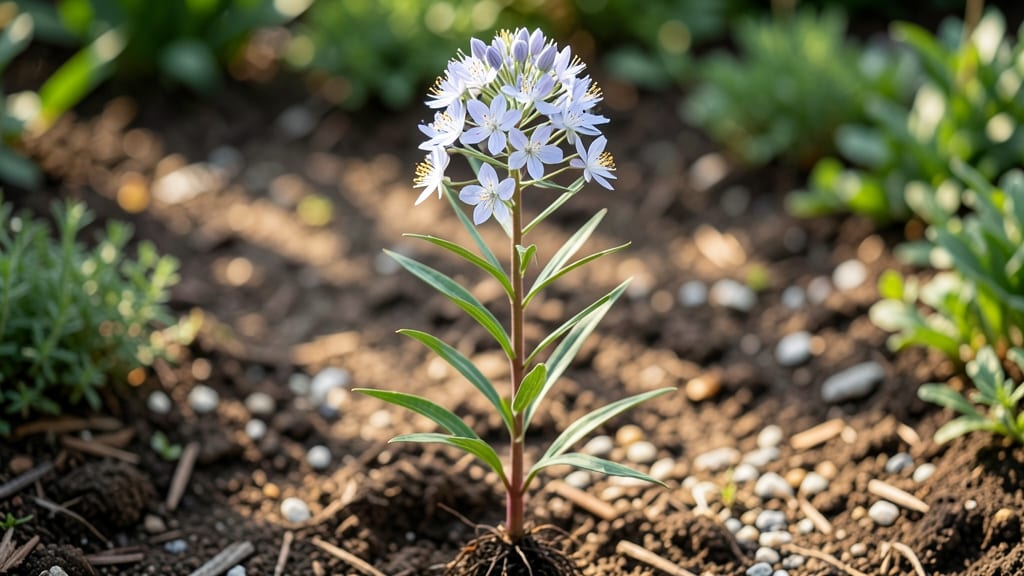
Growing flax seed flowers from cold-stratified sprouts guarantees those delicate blue blooms you’ve always admired—without the finicky germination struggles. 🌱 I’ve grown flax for both seeds and ornamentals, and the secret to reliable blooms starts with a simple cold treatment that mimics winter’s natural trigger.
The process is straightforward: sow seeds in well-draining soil, give them a 4-6 week cold snap (like a fridge or outdoor winter), then transplant when soil warms. Flax thrives in full sun and tolerates poor soil, making it perfect for sunny borders or cottage gardens.
Just keep the soil consistently moist but never soggy—drought stress makes the plants woody. By late spring, you’ll be rewarded with clusters of sky-blue flowers that last for weeks, followed by edible seeds if you let some pods mature.
The dual-purpose harvest means you get beauty and nutrition from the same plant. Perfect for small gardens or pollinator-friendly landscapes. Works in USDA zones 3-9, though early blooms may fade faster in hot climates. Here’s how to keep them thriving through the season!
📚 In This Guide
- What you need
- Instructions
- Tips and common mistakes
- Wrapping up and next steps
What you need
- ● Flax seeds (Linum usitatissimum): 1–2 packets (500–1,000 seeds). Choose organic, non-GMO seeds for best results.
- ● Cold stratification supplies: Small plastic bag or breathable fabric pouch (e.g., a paper towel-lined ziplock)
- ● Moistened paper towels or peat moss (enough to lightly cover seeds)
- ● Refrigerator (set to 35–40°F / 2–4°C) for 4–6 weeks
- ● Planting containers: Small pots (3–4 inches wide) with drainage holes or
- ● Seed trays with individual cells (for easier transplanting)
- ● Potting mix: 1–2 bags of well-draining, seed-starting mix (avoid garden soil—it’s too dense!)
- ● Watering can or spray bottle (gentle misting is key!)
- ● Hand trowel (for transplanting seedlings)
- ● Plant labels & marker (to track varieties)
- ● Grow lights or sunny windowsill (if natural light is <12+ hours/day)
- ○ Fertilizer: Balanced liquid fertilizer (diluted to half-strength) or worm castings (optional, once seedlings sprout)
- ● Mulch or straw (to retain moisture after outdoor planting)
- ○ Gloves (optional, for handling seeds or soil)
Step-by-step instructions for cold-stratifying flax seed flowers
Here's the foolproof method I've used to break through flax's stubborn germination barriers—no more waiting months for unreliable sprouts.
🌱 Step 1: Select and Prepare Your Seeds
Choose organic, untreated flax seeds—commercial linseed oil seeds often have coatings that inhibit germination. I like to source mine from specialty seed companies that specify "flowering" varieties. Before stratifying, spread the seeds on a paper towel and place them in a sealed plastic bag with a damp (not soaking) paper towel. This pre-moistening jumpstarts the process.
Seal the bag and refrigerate for 24 hours. This initial hydration softens the seed coat just enough to prime them for cold treatment. Real talk: if you skip this step, you'll waste weeks waiting for seeds that may never break dormancy.
❄️ Step 2: Cold-Stratify for 4-6 Weeks
After the 24-hour soak, transfer the seeds to a sealed container with a damp paper towel or vermiculite—never let them dry out. Place this in your refrigerator's crisper drawer where temperatures hover around 35-40°F. This mimics winter's natural chilling period that flax seeds require to germinate.
Check the seeds weekly—if the paper towel dries, mist it lightly and reseal. You'll see tiny cracks in some seeds after 2-3 weeks, signaling the stratification is working. This is the moment that matters: patience here prevents weeks of frustration later.
🌱 Step 3: Sow Stratified Seeds in Prepared Soil
Fill 4-inch pots with a light, well-draining mix (I use 60% potting soil and 40% perlite). Plant the stratified seeds ¼ inch deep, spacing them 1 inch apart. Flax seeds germinate best when barely covered—they need light to trigger sprouting, so don't bury them deeper.
Water gently from the bottom by placing the pots in 1 inch of water for 10 minutes. This prevents seed displacement while ensuring even moisture. Cover the pots with clear plastic wrap to maintain humidity and place them in a warm (65-70°F) location away from direct light. Germination typically occurs in 7-14 days—you'll see tiny green shoots pushing through the soil surface.
☀️ Step 4: Provide Light and Gradual Acclimation
Once seedlings emerge, remove the plastic wrap and move them to bright, indirect light for 5-7 days. Flax seedlings are delicate and can scorch in direct sun too soon. After a week, gradually introduce morning sunlight for 2-3 hours daily, increasing exposure by 1 hour each day until they tolerate full sun (6+ hours).
You'll notice the first true leaves (not the initial seed leaves) appear after 3-4 weeks. This is your cue to transplant seedlings into individual 6-inch pots or directly into the garden. Flax flowers thrive in cool weather—plant them outdoors 4-6 weeks before your last frost date for best results.
🌿 Step 5: Maintain for Reliable Blooms
Flax plants need consistent moisture—water when the top inch of soil feels dry to the touch. Overwatering causes root rot, while underwatering leads to leggy, weak stems. Feed with a balanced liquid fertilizer (10-10-10) every 4 weeks once the plants reach 6 inches tall. You'll see blue or white flowers appear on 6-12 inch stems after 8-10 weeks of growth.
Here's the thing—flax flowers are self-pollinating, so you won't need to worry about hand-pollination. However, if you're growing for seeds, leave some spent flowers on the plant. The seed pods will form and dry in 6-8 weeks after flowering, ready for harvest when they turn brown and begin to split open.
Tips & tricks for perfect flax seed flower germination
These game-changing strategies will help you break through flax's stubborn germination barriers and achieve reliable blooms every time.
Seed Selection Matters: Not all flax seeds are created equal—commercial linseed oil seeds often have chemical coatings that inhibit germination. Stick to organic, untreated seeds specifically labeled for flowering varieties. I've found that specialty seed companies offer the best results, as they're bred for ornamental purposes rather than oil production. This single choice can mean the difference between weeks of waiting and successful sprouts within the specified 7-14 days.
Stratification Success: The 24-hour pre-soak before cold stratification is non-negotiable. I learned this the hard way after wasting three batches without this step—it softens the seed coat enough to allow moisture penetration during the cold treatment. For the 4-6 week stratification, place your container in the refrigerator's crisper drawer where temperatures consistently stay around 35-40°F. Pro tip: Use a small thermometer to monitor the temperature—some fridges have hot spots that can disrupt the process.
Light Requirements: Flax seeds need light to germinate, but seedlings are delicate. After sowing in 4-inch pots, cover with clear plastic wrap to maintain humidity while allowing light penetration. Once seedlings emerge, move them to bright, indirect light for 5-7 days before gradually introducing direct sunlight. I've seen seedlings scorch within hours when moved too quickly to full sun—this gradual acclimation prevents permanent damage to the tender leaves.
Transplant Timing: Wait until you see the first true leaves (the second set of leaves that appear after the initial seed leaves) before transplanting. This typically happens after 3-4 weeks of growth. At this stage, your seedlings should be sturdy enough to handle the transition to 6-inch pots or garden beds. Plant outdoors 4-6 weeks before your last frost date—flax thrives in cool weather and may struggle with summer heat.
Pro Tips for Flax Seed Flower
- These game-changing strategies will help you break through flax's stubborn germination barriers and achieve reliable blooms every time.
- Seed Selection Matters: Not all flax seeds are created equal—commercial linseed oil seeds often have chemical coatings that inhibit germination.
- Stratification Success: The 24-hour pre-soak before cold stratification is non-negotiable.
Frequently asked questions
Got questions about growing flax seed flowers? You’re not alone! Here are some of the most common queries—plus straightforward answers to help you cultivate stunning blooms with confidence.
Do flax seed flowers need cold stratification before planting?
Yes! Linum usitatissimum (flax) thrives with cold stratification—a 4–8 week chilling period (34–41°F) mimics winter and breaks seed dormancy. Skip this step, and germination may be slow or uneven. For best results, refrigerate seeds in a damp paper towel before sowing in spring.
How long does it take for flax seed flowers to bloom after sowing?
Patience pays off! From seed to bloom, expect 8–12 weeks under ideal conditions (full sun, well-drained soil, and consistent moisture). Early spring sowings (with cold stratification) often yield blooms by late summer—just in time for pollinators!
Can I grow flax seed flowers in containers?
Flax adapts well to containers 6+ inches deep with drainage holes. Use a light, sandy potting mix and place pots in full sun. Just ensure they’re not overcrowded—thin seedlings to 6–12 inches apart for optimal air circulation and blooms.
What can I do if my flax seeds aren’t germinating?
Try these fixes:
- Check moisture: Keep soil consistently damp (not soggy) during germination.
- Test seed viability: Soak a few seeds in water overnight—if they sink, they’re likely viable.
- Adjust light: Flax seeds need bright light (or a grow light) to sprout.
- Re-stratify: If seeds are old, repeat the cold treatment for another 2–4 weeks.
Are flax seed flowers annuals or perennials?
Flax is a tender annual in most climates, completing its life cycle in one season. However, in mild winter zones (USDA 7+), self-seeding may occur, creating volunteer plants the following year. Deadhead spent blooms to encourage prolonged flowering!
Wrapping up and next steps
Growing flax seed flowers is a rewarding journey that brings delicate blooms to your garden with minimal effort—especially when you master cold stratification!
From selecting the right seeds to nurturing them through the seasons, each step ensures vibrant, reliable blooms that attract pollinators and add elegance to your outdoor space. 🌸
Ready to transform your lawn or garden? Start by planting your pre-stratified seeds this spring and watch as your flax flowers thrive. For even better results, experiment with companion planting or share your newfound knowledge with fellow gardening enthusiasts. Happy growing! 🌱