
Lawn
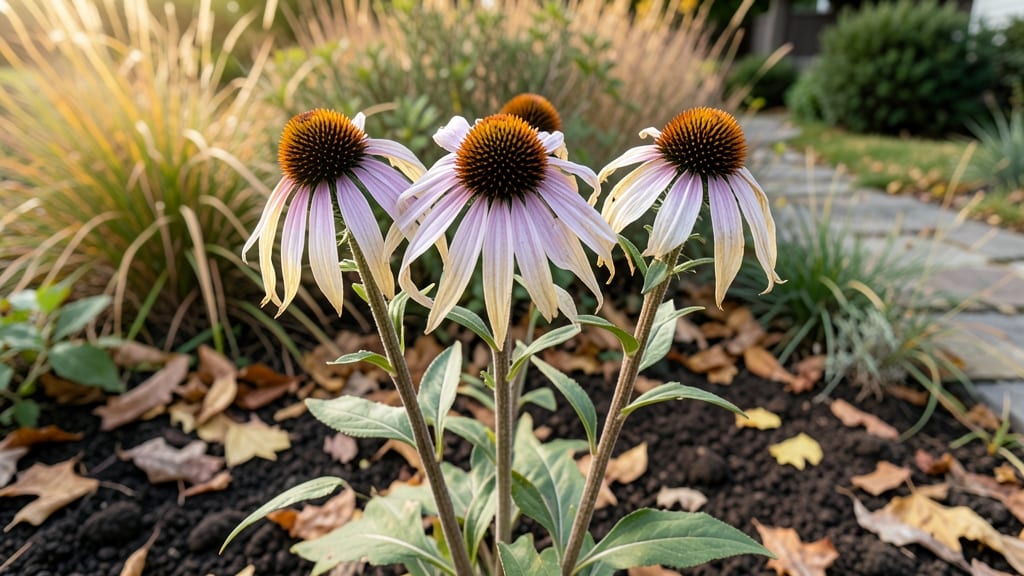
Echinacea seed heads are nature’s own winter art—dry, fragrant, and perfect for next year’s garden. 🌻 I’ve saved mine for years, turning them into everything from rustic centerpieces to bird-friendly feeders, and the process is simpler than you’d think.
The key is timing: harvest them at the right moment, and you’ll preserve their structure while unlocking their hidden uses.
You’ll need just a few simple tools: sharp scissors or pruners, a clean drying area, and breathable containers like paper bags or mesh bags. The best time to harvest is late fall after the first frost, when the seed heads have fully matured but before they scatter.
A light shake test—if seeds rattle but don’t fall—means they’re ready. This method keeps their shape and scent intact for months.
Once dried, these seed heads become stunning dried arrangements that last through winter. Tuck them into wreaths, scatter them in vases, or hang them in bundles for a cottagecore touch. They also make excellent bird feeders—simply tie them to a branch, and goldfinches will visit all winter long.
The possibilities are endless, and the best part? You’re extending the life of your garden’s beauty.
For next year’s blooms, save a few seed heads to replant. Let them dry completely, then store them in a cool, dark place until spring. When planting, scatter them lightly over fresh soil—they’ll self-sow with minimal effort.
Whether you’re preserving them for decor or nurturing new growth, echinacea seed heads are a gardener’s secret weapon.
📚 In This Guide
- What you need
- Instructions
- Tips and common mistakes
- Wrapping up and next steps
What you need
- ● Fresh echinacea seed heads: Harvest fully mature, dried seed heads (brown and papery) from healthy plants. Aim for at least 10-15 heads for a good yield.
- ● Pruning shears or sharp scissors: Clean, sterilized tools to snip stems without damaging the seed heads.
- ● Brown paper bags or breathable mesh bags: 2-3 medium-sized bags (10-12 inches in diameter) for drying.
- ● Newspaper or cardboard: A flat surface to lay out seed heads while drying.
- ● Rubbing alcohol (70% isopropyl) and cotton swabs: For sterilizing tools before use.
- ● Air-tight storage containers: 1-2 containers (e.g., glass jars or plastic bins with lids) for long-term storage.
- ○ Optional: A small fan or dehumidifier to speed up drying in humid climates.
- ● Wait until seed heads are completely dry and brown (typically late summer to early fall).
- ● Choose a dry, shaded spot indoors for drying to prevent mold.
- ● Work on a clean, dry day to avoid moisture contamination.
How to harvest, dry, and store echinacea seed heads
Turn last year's spent blooms into next season's garden stars with this simple, foolproof method.
🌱 Step 1: Harvest Seed Heads at Peak Maturity
Wait until the echinacea blooms have fully faded and the seed heads turn a rich, papery brown—this usually happens in late summer or early fall. I like to harvest on a dry morning when the dew has evaporated; this prevents moisture from lingering on the stems and speeding up decay during drying.
Use clean, sharp pruning shears to snip the stems about 2-3 inches below the seed head. This extra stem length gives you something to tie the bundles together later. Avoid harvesting when rain is forecasted—wet seed heads take much longer to dry properly and may develop mold.
☀️ Step 2: Bundle and Dry the Seed Heads
Gather the harvested seed heads and tie them into small bundles of 5-7 stems each using twine or floral wire. Hang these bundles upside down in a well-ventilated, dry space—your garage, shed, or even a sunny porch works perfectly. The key is airflow; if the area is too humid, the seed heads won't dry properly and may sprout prematurely.
I hang mine from a string or hook using a simple loop at the top of each bundle. This upside-down position prevents the seed heads from touching surfaces and ensures even drying. It typically takes 2-4 weeks for the seed heads to dry completely, depending on your climate. They're ready when the stems snap crisply when bent and the seed heads feel light in your hand.
🪴 Step 3: Store Seed Heads Properly for Long-Term Viability
Once fully dry, gently separate the seed heads from the stems. Store them in a paper bag or breathable fabric sack—plastic containers trap moisture and encourage mold. Label the bag with the variety and harvest date so you don't forget what you've saved. I like to add a silica gel packet to the bag for extra moisture protection, especially if storing in a humid environment.
Place the bag in a cool, dark spot like a basement or pantry. Echinacea seeds can remain viable for 2-3 years when stored properly, though germination rates decrease slightly after the first year. Check the bag occasionally to ensure no moisture has accumulated or pests have invaded.
⏰ Step 4: Plant Stored Seed Heads in Early Spring
In early spring, before the last frost, sow your stored echinacea seeds directly in the garden. Scatter them lightly on top of prepared soil—echinacea seeds don't need to be buried deeply. Press them gently into the soil so they make good contact with the earth. Water the area lightly to settle the seeds in place.
Keep the soil consistently moist but not soggy until germination occurs, which usually takes 2-4 weeks. You'll know the seeds have sprouted when you see tiny green shoots pushing through the soil. Thin seedlings to 12-18 inches apart once they've developed a few true leaves to give them plenty of room to grow into those iconic, fragrant blooms.
Tips & tricks for perfect echinacea seed head preservation
These game-changing tips will help you transform last year's faded blooms into next season's garden showstoppers with zero fuss.
Harvest Timing Secret: Look for that papery brown color in late summer or early fall—this is your golden window. Harvesting too early means immature seeds, while waiting too long risks seed loss from birds or storms. I've learned the hard way that even a light morning dew can speed up decay during drying, so always harvest after dew has evaporated.
The Bundle Size Matters: Stick to bundles of 5-7 stems each when tying them together. Larger bundles create airflow blockages in the center, while smaller ones dry too quickly and may shatter. Use floral wire instead of twine for extra strength—it won't cut into your stems over time and creates a secure loop for hanging.
Drying Test You Can't Skip: The crisp snap test is your best friend! Bend a dried stem—it should snap cleanly like a dry twig. If it bends without snapping, it needs more time. I've ruined batches by pulling them too soon, so be patient—those 2-4 weeks are worth it for viable seeds that'll sprout next spring.
Storage Wisdom: Never use plastic containers—they trap moisture and create the perfect mold party. Paper bags or breathable fabric sacks are your best friends, and that silica gel packet I mentioned? It's a game-changer in humid climates. I've seen seeds last 3 years with this method, though germination does drop after year one.
Pro Tips for Echinacea Seed Heads
- These game-changing tips will help you transform last year's faded blooms into next season's garden showstoppers with zero fuss.
- Harvest Timing Secret: Look for that papery brown color in late summer or early fall—this is your golden window.
- The Bundle Size Matters: Stick to bundles of 5-7 stems each when tying them together.
Frequently asked questions
Got questions about saving and storing echinacea seed heads for next season? You’re not alone! Here are answers to the most common queries—so you can harvest with confidence and grow those stunning blooms year after year.
When is the best time to harvest echinacea seed heads?
Harvest seed heads once they’ve fully matured but before they shatter or turn brown. Aim for late summer to early fall (August–September in most climates), when the cones are dry but still intact. Look for seed pods that are light brown and crispy to the touch.
How long can I store echinacea seeds before planting?
Properly dried and stored seeds remain viable for 1–2 years in a cool, dark place. For longer storage (up to 3–5 years), keep them in an airtight container in the fridge or freezer. Label them with the harvest date to track freshness!
What if my seed heads mold or develop pests?
If you notice mold or critters (like weevils) in your seed heads, discard them immediately. To prevent issues, harvest on a dry day, let them dry thoroughly in a well-ventilated area, and store them in a sealed container with a silica gel packet to absorb moisture.
Can I use echinacea seed heads for anything other than planting?
Beyond seeds, dried echinacea blooms make gorgeous dried arrangements, fragrant potpourri, or even tea (though avoid the roots if you’re sensitive to echinacea). Just ensure they’re completely dry to prevent mold in crafts.
What’s the best way to dry echinacea seed heads quickly?
Bundle stems together and hang them upside down in a dark, dry, and well-ventilated spot (like a garage or shed) for 2–3 weeks. Alternatively, spread them on a screen or paper towels in a single layer for faster air-drying. Avoid direct sunlight—it can bleach the petals!
Wrapping up and next steps
Harvesting and storing echinacea seed heads is a simple yet rewarding way to ensure next year’s vibrant blooms while supporting pollinators! 🌼 With just a few tools and a little patience, you’ll enjoy fragrant, resilient flowers season after season.
Whether you’re a seasoned gardener or just starting out, this process is a great way to give back to nature and extend your garden’s beauty.
Now that you’re ready to save seeds, why not take it a step further? Try experimenting with different echinacea varieties or even share your seeds with fellow gardeners. Happy growing—your future blooms will thank you! 🌱✨