
Propagation
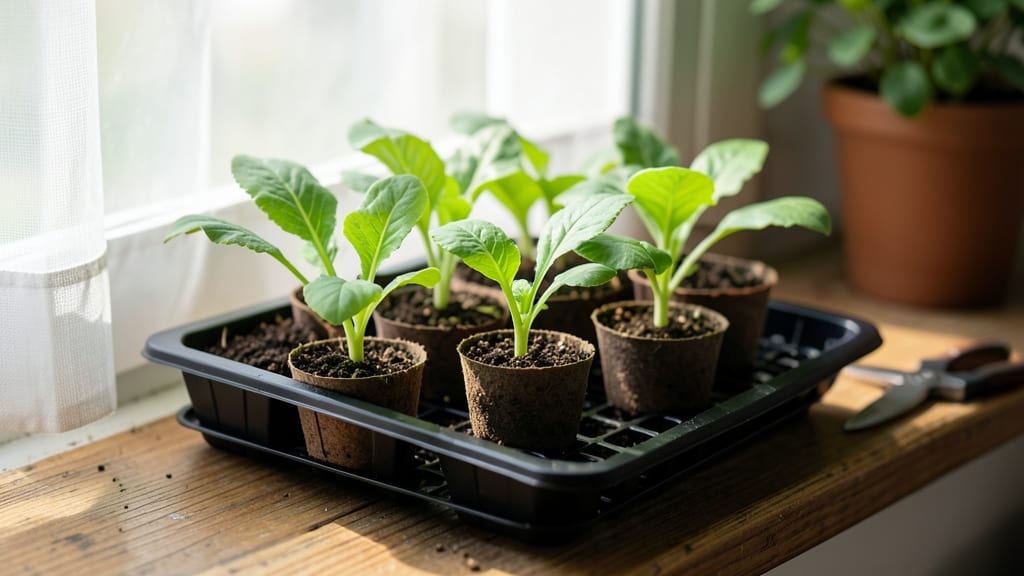
Compostable seedling pots are eco-friendly alternatives made from peat, coconut coir, or biodegradable plastics, designed to break down safely in soil after transplanting. They reduce waste and eliminate the need for pot removal, making them ideal for organic gardeners and large-scale seed starting.
These biodegradable containers are a game-changer for sustainable gardening. 🌱 Unlike traditional plastic pots that linger in landfills for centuries, compostable options decompose naturally, returning nutrients to the soil while protecting young plants' roots from transplant shock.
The breakdown process varies by material—peat moss dissolves quickly in moist conditions, while biodegradable plastics may take weeks to months, depending on soil microbes and temperature.
For large-scale operations, I recommend coconut coir pots for their balanced decomposition rate and natural resistance to fungus gnats, a common issue with peat-based options.
When choosing materials, consider your specific needs: peat pots excel for moisture-sensitive seedlings like lettuce, while biodegradable plastics offer better structural support for heavier plants such as tomatoes. 💡 For budget-conscious gardeners, DIY options like egg cartons or newspaper pots can work in a pinch, though they lack the consistency of commercial compostable products.
Always check your soil type—heavy clay may slow decomposition, so adjust your timing accordingly.
💡 In This Article
- How Compostable Materials Break Down in Soil
- Best Compostable Seedling Pot Materials for Different Needs
How compostable materials break down in soil
The decomposition of compostable seedling pots begins the moment they touch moist soil. Peat moss, for example, dissolves within 2-4 weeks in optimal conditions, breaking down through microbial action and hydration.
This process releases organic matter that enriches the soil with carbon and trace nutrients like nitrogen and phosphorus—ideal for young seedlings. The fibrous structure of peat allows water to penetrate easily, creating a sponge-like environment that encourages microbial growth. 🌱
Coconut coir, made from coconut husks, follows a slightly different path. It decomposes in 4-8 weeks due to its denser fiber structure, which resists rapid breakdown but provides excellent moisture retention. The decomposition process here involves cellulose-digesting microbes that gradually convert the fibers into humus.
Unlike peat, coir also introduces potassium and magnesium to the soil, making it particularly beneficial for nutrient-hungry plants like peppers or eggplants. Temperature plays a critical role—coir breaks down fastest in 70-80°F soil, while colder conditions can extend the timeline to 10-12 weeks.
Biodegradable plastics, such as those made from polylactic acid (PLA) or polyhydroxyalkanoates (PHA), take the longest to decompose—typically 6-12 months—but only under industrial composting conditions. In home gardens, these materials may persist for 3-6 months depending on microbial activity.
The breakdown occurs through hydrolysis, where water molecules break down the polymer chains into simpler compounds that microbes can consume. Unlike traditional plastics, these biodegradable versions don't leave microplastic residues, making them safer for soil ecosystems. 💫
Moisture and microbial activity are the two biggest accelerators of decomposition. Dry soil can stall the process entirely, while consistently moist conditions (like those in a greenhouse) speed it up.
For example, peat pots in a humid greenhouse may dissolve in just 10-14 days, whereas the same pots in dry, sandy soil could take twice as long.
Adding compost or worm castings to the planting hole can also boost microbial activity, helping the pots break down faster and enriching the soil simultaneously.
One often-overlooked factor is the soil's pH level. Peat moss prefers slightly acidic conditions (pH 5.5-6.5) for optimal decomposition, while coir performs best in neutral to slightly alkaline soil (pH 6.0-7.5).
If your soil is outside these ranges, the breakdown process may slow down, requiring adjustments like lime (for acidic soil) or sulfur (for alkaline soil) to create ideal conditions. For large-scale operations, this means testing soil pH before choosing pot materials to ensure efficient decomposition and nutrient release. ✨
Environmentally, compostable pots offer a stark contrast to traditional plastic. A single plastic pot can take 500+ years to decompose, leaching toxic chemicals into the soil over time. In contrast, peat and coir pots contribute positively to soil health by improving structure and fertility.
However, not all compostable options are equal—some biodegradable plastics may still release microplastics if not fully broken down, so always opt for certified compostable materials when possible. For the most sustainable choice, pair your pots with organic soil amendments to maximize their ecological benefits. 🌿