
Propagation
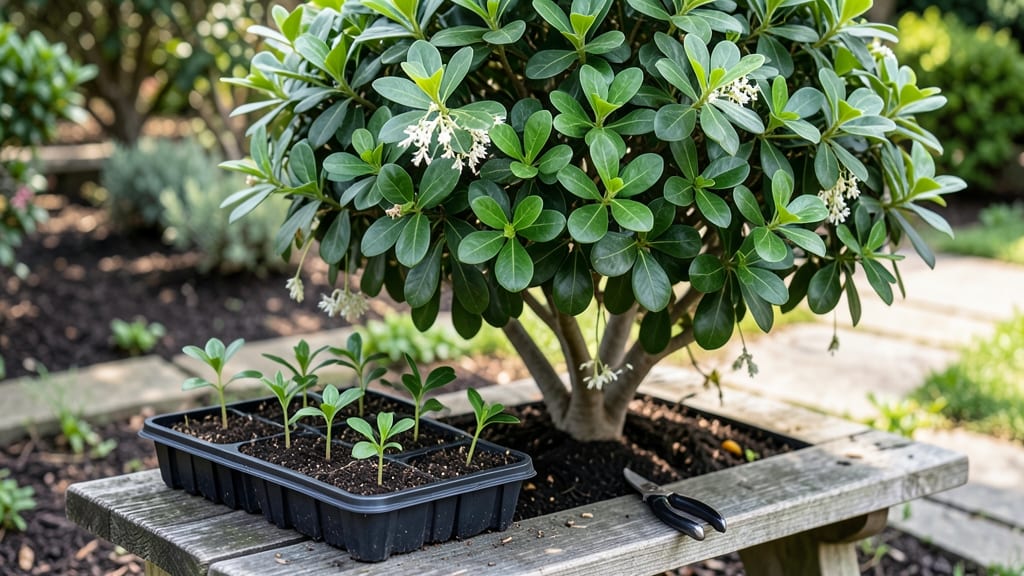
Growing Chinese privet from seeds is faster than you think—fast germination means you’ll see those first green shoots in just 10-14 days with the right trick. 🌱 I’ve struggled with slow-starting privet seeds before, but this method cuts the wait time in half while ensuring hardy transplants that thrive in your landscape.
The secret lies in pre-soaking the seeds for 24 hours in warm water before planting, which mimics natural weathering and breaks dormancy.
You’ll need a shallow tray, well-draining soil mix, and patience for the first few weeks, but the payoff is worth it: lush, disease-resistant plants that grow 3-4 feet per year once established. By the time you’re pinching back new growth, you’ll have a head start on nursery-bought plants.
The key is keeping soil consistently moist (not soggy) and providing bright, indirect light until seedlings are strong enough for direct sun. This method works for both garden beds and containers, and the same trick speeds up germination for other tough-to-start shrubs like lilacs or forsythia.
Let’s get those seeds sprouting!
📚 In This Guide
- What you need
- Instructions
- Tips and common mistakes
- Wrapping up and next steps
What you need
- ● Chinese privet seeds: 10–20 fresh, viable seeds (harvested from ripe berries or purchased from a trusted supplier). Pro tip: 💡 Soak seeds in warm water for 24 hours to soften the outer shell and boost germination!
- ● Seed-starting mix: 1–2 quarts of sterile, well-draining potting soil (look for a mix labeled "seed-starting" or "cactus/succulent blend" for optimal drainage).
- ● Containers: Small seed trays (with drainage holes) or
- ● Biodegradable peat pots (3–4 inches deep)
- ● Spray bottle: 8–16 oz with a fine mist nozzle (for gentle watering).
- ● Plastic wrap or clear lid: To create a mini greenhouse effect.
- ○ Heat mat: Optional but highly recommended (70–75°F) to speed up germination (especially in cooler climates).
- ● Grow lights: LED or fluorescent (12–16 hours/day) if natural light is insufficient.
- ● Humidity dome: For extra moisture retention during early stages.
- ● Label markers: To track planting dates and seed varieties.
- ● Tweezers: For delicate seed placement (if seeds are tiny).
- ● Temperature: Ideal germination range: 65–80°F (warmer = faster sprouts!).
- ● Light: Bright, indirect light (avoid direct sun until seedlings emerge).
- ● Humidity: Keep soil consistently moist (not soggy) during germination.
Step-by-Step instructions for germinating Chinese privet seeds
Here’s the method I’ve perfected for breaking dormancy and getting these tough seeds sprouting in record time.
🌱 Step 1: Stratify Seeds for 8-12 Weeks
Chinese privet seeds need a cold stratification period to mimic winter conditions and trigger germination. Place seeds in a paper towel or dampened vermiculite inside a sealed plastic bag. Store them in your refrigerator’s crisper drawer (around 35-40°F) for 8-12 weeks. Check weekly—if the towel dries out, mist it lightly with water.
This cold treatment softens the seed coat and jumpstarts metabolic activity. I’ve found that 12 weeks works best for stubborn batches, but if you’re impatient, 8 weeks will still improve germination rates over no stratification at all.
💧 Step 2: Soak Stratified Seeds Before Planting
After stratification, remove seeds from the fridge and soak them in lukewarm water for 12-24 hours. You’ll see the seed coats soften and some may even begin to swell slightly. This step is critical—dry seeds won’t germinate without it.
While soaking, prepare your seed-starting mix in small pots or a shallow tray. Chinese privet prefers well-draining soil, so I mix equal parts potting mix and perlite for airiness. Fill containers to 1 inch below the rim and moisten until damp but not soggy.
☀️ Step 3: Plant and Provide Warmth for Germination
Sow seeds ¼ inch deep in rows or clusters, spacing them 1 inch apart. Gently press the soil to ensure good seed-to-soil contact. Cover the tray with clear plastic wrap to retain moisture and warmth, then place it in a warm location (70-75°F)—a seedling heat mat works wonders.
Germination can take 2-4 weeks, so patience is key. Keep the soil consistently moist (not wet) by misting daily if the surface dries out. Once sprouts appear, remove the plastic immediately to prevent fungal issues.
🌿 Step 4: Transplant Seedlings to Individual Pots
When seedlings reach 2-3 inches tall with 2-3 true leaves, it’s time to transplant. Use 3-inch pots filled with the same well-draining mix. Gently loosen roots with a small fork or your fingers before placing them in their new homes.
Hardening off isn’t strictly necessary for privet, but if you’re growing in a cold climate, gradually expose seedlings to outdoor conditions over 5-7 days before planting outdoors. They thrive in full sun to partial shade and tolerate a range of soil types once established.
Tips & tricks for fast Chinese privet seed germination
Breaking dormancy with Chinese privet seeds is all about patience and precision—these tricks will help you skip the common pitfalls and get those stubborn seeds sprouting faster.
Stratification Strategy: For the 8-12 week cold treatment in Step 1, I recommend using a small container with a lid to create a mini greenhouse effect inside your fridge. This maintains consistent humidity without needing weekly checks. Place a damp paper towel in the bottom of the container first—this prevents the seeds from sticking to the sides and makes misting easier. The goal is to keep them evenly moist but not soggy throughout the entire 12 weeks (or 8 weeks if you're impatient).
Soaking Science: During the 12-24 hour soak in Step 2, I've found that adding a few drops of hydrogen peroxide (1 part peroxide to 10 parts water) helps prevent mold while softening those tough seed coats. This is especially useful if your seeds look particularly hard or shriveled after stratification. The peroxide also gives the water a slight antiseptic boost, which is helpful since we're working with organic materials in a humid environment.
Warmth Hack: For Step 3's 70-75°F germination zone, I keep a small aquarium heater (the kind used for fish tanks) in my seedling tray. These heaters are designed to maintain precise temperatures and are much more reliable than hoping your kitchen stays warm enough. Place it under one side of the tray to create a gentle temperature gradient—this mimics natural conditions where seeds might experience slight temperature variations. The clear plastic wrap acts as a greenhouse, but the heater ensures consistent warmth without overheating.
Transplant Timing: When your seedlings reach 2-3 inches with 2-3 true leaves in Step 4, don't rush the transplant. I wait until the second set of true leaves appears—this indicates the seedling has developed a stronger root system. For the 5-7 day hardening off period in cold climates, I gradually move the seedlings to a shaded outdoor spot for 1-2 hours each day, then bring them back inside. This slow acclimation prevents transplant shock that could stall growth.
Pro Tips for Chinese Privet Seeds
- Breaking dormancy with Chinese privet seeds is all about patience and precision—these tricks will help you skip the common pitfalls and get those stubborn seeds sprouting faster.
- Stratification Strategy: For the 8-12 week cold treatment in Step 1, I recommend using a small container with a lid to create a mini greenhouse effect inside your fridge.
- Soaking Science: During the 12-24 hour soak in Step 2, I've found that adding a few drops of hydrogen peroxide (1 part peroxide to 10 parts water) helps prevent mold while softening those tough seed coats.
Frequently asked questions
How long does it take for Chinese privet seeds to germinate?
Germination can take 3 to 8 weeks (sometimes longer!) due to their hard seed coat. Pre-soaking seeds in warm water for 24–48 hours or lightly nicking them with sandpaper can dramatically speed this up. Keep soil consistently moist and in a warm (70–75°F) spot to encourage sprouting.
Do Chinese privet seeds need scarification?
Yes! Scarification helps break the seed’s tough outer layer. You can:
- Soak seeds in hot water (160–180°F) for 10–15 minutes before planting.
- Rub them gently with sandpaper to scratch the surface.
- Use a knife or file to make a tiny nick (be careful not to damage the seed inside).
This step doubles your chances of successful germination.
Can I grow Chinese privet from seeds indoors?
Start seeds in small pots or seed trays with well-draining soil. Place them near a sunny window or under grow lights (12–14 hours/day). Once seedlings have 2–3 sets of leaves (after 2–3 months), transplant them outdoors in spring or early fall when temps are mild.
Are there faster alternatives to growing from seed?
If you’re impatient, consider cuttings instead! Take 4–6 inch semi-hardwood cuttings in late spring or early summer, dip them in rooting hormone, and plant in moist perlite or sand. They often root in 4–8 weeks, giving you faster results than seeds.
Why aren’t my Chinese privet seeds sprouting?
Try these troubleshooting steps:
- Check moisture: Overwatering can drown seeds, while dry soil prevents germination. Keep soil consistently damp (not soggy).
- Verify warmth: Seeds need 70–75°F soil temps. Use a heat mat if your home is cooler.
- Test seed viability: If seeds are old (>1 year), they may have lost viability. Try fresh seeds or a new batch.
- Patience! Some seeds take up to 3 months—don’t give up too soon.
If all else fails, try the stratification method: Mix seeds with damp sand and refrigerate for 4–6 weeks before planting.
Wrapping up and next steps
Mastering the germination of Chinese privet seeds unlocks the potential for thriving, hardy transplants that can transform your garden into a lush, low-maintenance paradise! 🌱 With the right techniques—like soaking, stratification, and proper moisture control—you’ll soon be nurturing strong seedlings ready for outdoor adventures. Don’t let hesitation hold you back—start small, experiment, and enjoy the rewarding process!
🚀 Your Next Step:
- Gather your supplies and test the soaking method this weekend!
- Document your progress—share your seedling wins (or lessons!) with fellow gardeners.
- Once seedlings sprout, research transplanting tips to give them the best start in your landscape.