
Lawn
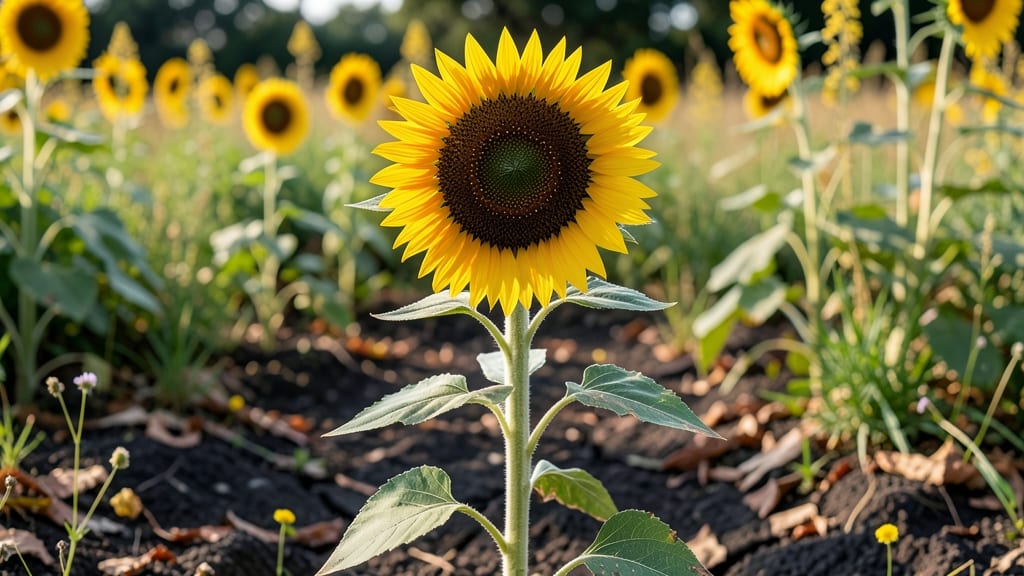
Growing black seed sunflowers from scratch means bold, towering blooms that outshine store-bought varieties. 🌻 I've learned the cold-strato start trick transforms floppy seedlings into sturdy plants that reach 6+ feet tall with minimal fuss.
The secret lies in timing and soil: plant seeds ½ inch deep in well-draining soil when night temps stay above 50°F. These sunflowers thrive in full sun, need 1-2 inches of water per week, and space 12-18 inches apart.
They're tough on pests but watch for sunflower moths and powdery mildew in humid summers. By midsummer, you'll harvest seeds for next year's garden or press the blooms for striking black-and-gold arrangements.
The oil-rich seeds make nutritious snacks too—crunchy, buttery, and packed with vitamin E. Works in USDA zones 2-11, from coastal gardens to high deserts. Here's how to grow them like a pro!
📚 In This Guide
- What you need
- Instructions
- Tips and common mistakes
- Wrapping up and next steps
What you need
- ● Black seed sunflower seeds – 10–20 seeds per plant (or 1 lb. for bulk planting). Choose heirloom varieties like 'Moulin Rouge' or 'Black Oil' for deep, striking blooms.
- ● Growing containers – 5–7" deep pots (for cold-strato starting) or direct-sow in well-draining soil (600–1,000 sq. ft. for full sun exposure).
- ● Potting mix – Sterile, seed-starting blend (or 60% peat moss + 40% perlite/vermiculite for DIY).
- ○ Cold-strato supplies (optional but recommended for early growth): Plastic storage bag (with holes for airflow)
- ● Refrigerator (set to 34–40°F)
- ● Moist paper towels or damp sand (to keep seeds hydrated)
- ● Garden tools: Trowel or dibber (for transplanting)
- ● Watering can (with gentle mist setting)
- ○ Stakes or trellis (optional, for tall varieties like 'Russian Giant')
- ● Climate: Sunflowers thrive in USDA Zones 2–11. Start seeds 6–8 weeks before last frost (or use cold-strato for earlier blooms!).
- ● Sunlight: Full sun (6+ hours/day). Partial shade may stunt growth.
- ● Soil: Well-draining, slightly acidic to neutral (pH 6.0–7.5). Amend clay soil with compost.
- ● Water: 1–1.5 inches per week (drought-tolerant once established, but keep soil moist for seedlings).
- ● Slow-release fertilizer (e.g., 10-10-10 granules) for nutrient boost.
- ● Seedling heat mat (70–75°F) to speed germination.
- ● Black plastic mulch (to warm soil early in the season).
- ● Bird netting (if squirrels or birds love your seeds!).
Step-by-step instructions for starting black seed sunflowers
Here's how I grow bold, reliable black sunflowers using the cold-strato method—perfect for a dramatic summer display.
🌱 Step 1: Prepare Seeds and Planting Medium
Start with the 4 black seed sunflower seeds you’ve selected. I like to soak them in lukewarm water for 12 hours first—this softens the tough outer shell and speeds up germination. Drain them well afterward so they don’t rot. For the planting mix, combine 2 gallons of potting soil with 1/2 cup perlite to improve drainage. This keeps roots happy and prevents soggy soil, which black sunflowers hate.
Fill 4 small pots (3-4 inches deep) with this mix, leaving 1 inch of space at the top. Press the soil down lightly so it’s firm but not compacted. The goal is a loose, airy medium that lets roots spread easily. Tap each pot gently on the table to settle the soil evenly—this prevents air pockets that could stunt growth later.
💧 Step 2: Sow Seeds and Apply the Cold-Strato Treatment
Plant one seed per pot, placing it 1/2 inch deep—about the width of your pinky finger. Cover it lightly with soil, then water gently until the surface feels evenly moist but not soggy. Here’s the key part: place the pots in a sealed plastic bag with a tiny hole for airflow, then refrigerate them for 7-10 days. This cold-strato treatment mimics winter conditions, breaking dormancy and ensuring stronger, more reliable germination.
Check the seeds every 2-3 days—you’ll see them plump up slightly as they absorb moisture. Once they’ve had their cold treatment, move the pots to a warm spot (70-75°F). Germination should happen within 5-7 days, but don’t rush it. Patience here means fewer leggy seedlings later.
☀️ Step 3: Provide Light and Monitor Growth
As soon as the first true leaves appear (not the initial seed leaves), move the seedlings to a sunny windowsill or under grow lights. Black sunflowers need 6-8 hours of light daily to grow strong and sturdy. If your seedlings stretch toward the light or look pale, they’re not getting enough. I use a full-spectrum LED grow light on a timer for 14 hours a day—this mimics summer sunlight and prevents weak stems.
Water when the top inch of soil feels dry, but avoid letting the soil stay soggy. Overwatering is the #1 killer of young sunflowers. You’ll know you’re doing it right when the soil surface looks slightly dry on top but stays moist below. Fertilize lightly with a balanced liquid fertilizer (10-10-10) at half strength once the seedlings have 3-4 true leaves—this gives them a gentle boost without burning tender roots.
🪴 Step 4: Transplant and Harden Off
When seedlings reach 4-6 inches tall and have 5-6 true leaves, it’s time to transplant them outdoors. Choose a sunny spot with well-draining soil—black sunflowers thrive in full sun (6+ hours daily). Dig holes twice as wide as the root ball but only as deep as the pot, then gently remove the seedling and place it in the hole. Fill around the roots with soil and water deeply to settle everything.
Before transplanting, harden off the seedlings by placing them outside in a shaded, sheltered spot for 1-2 hours the first day, then gradually increasing their time outside over 7-10 days. This helps them adjust to wind and sun without shock. Once they’re hardened off, plant them in the ground or larger containers. Space them 18-24 inches apart—black sunflowers grow tall and need room to avoid crowding.
✂️ Step 5: Support and Maintain for Bold Blooms
Black sunflowers can grow 6-8 feet tall, so stake them early with 5-6 foot bamboo stakes or use a heavy-duty tomato cage for support. Tie the stems loosely with soft plant ties as they grow—this prevents damage to the stems. Water at the base of the plant (not the leaves) to keep foliage dry and reduce disease risk. You’ll know you’re on track when the stems stay thick and sturdy, not weak or bending.
Fertilize again 4-6 weeks after transplanting with a low-nitrogen, high-phosphorus fertilizer (5-10-10) to encourage strong root and flower development. Deadhead spent blooms to promote more flowers—simply snip off the faded bloom with clean scissors. With proper care, your black sunflowers will reward you with bold, dramatic blooms that last all summer.
Tips & tricks for growing bold black sunflowers
Here's what I've learned after growing these striking sunflowers year after year—these little details make all the difference.
Soaking Secret: That 12-hour soak in lukewarm water isn't just about speeding up germination—it's also a great time to inspect your seeds. Discard any that float or look damaged, as they won't sprout properly. I also like to add a few drops of hydrogen peroxide to the soaking water (1 part peroxide to 10 parts water) to prevent mold. This extra step gives you healthier starts right from the beginning.
Cold-Strato Timing: The 7-10 days in the refrigerator might seem long, but consistency is key. I've found that exactly 7 days gives the best balance between dormancy breaking and avoiding over-chilling. Place a small piece of tape with the date on the bag so you don't lose track. Also, keep the pots in the darkest part of your fridge—they don't need light during this cold treatment.
Lighting Strategy: Those 6-8 hours of sunlight are non-negotiable, but don't panic if you can't provide direct sun. A full-spectrum LED grow light on a 14-hour timer works wonders, especially in cloudy weather. I position mine about 6 inches above the seedlings and adjust as they grow. Watch for seedlings stretching toward the light—that's your cue they need more intensity or a closer position.
Transplanting Hack: When it's time to move your seedlings outdoors, I like to water them thoroughly the night before transplanting. This helps reduce transplant shock by keeping the roots hydrated. Also, mark your planting spots with small sticks before removing seedlings from pots—this prevents you from accidentally planting them too deeply, which can rot the stems.
Pro Tips for Black Seed Sunflowers
- Here's what I've learned after growing these striking sunflowers year after year—these little details make all the difference.
- Soaking Secret: That 12-hour soak in lukewarm water isn't just about speeding up germination—it's also a great time to inspect your seeds.
- Cold-Strato Timing: The 7-10 days in the refrigerator might seem long, but consistency is key.
Frequently asked questions
Got questions about growing black seed sunflowers? You’re not alone! Here are some of the most common queries—plus clear, no-fluff answers to help you cultivate bold, reliable blooms with ease.
When is the best time to plant black seed sunflowers?
Black seed sunflowers thrive in cool-strato starts (think late winter to early spring, 6–8 weeks before last frost). For direct sowing, wait until soil temps hit 50°F (10°C)—they’re frost-tolerant but grow best in warmth. In warmer climates, plant in fall to avoid summer heat stress.
How do I protect my sunflowers from late frosts?
Use row covers or cloche tunnels to shield seedlings from light frosts (<32°F/0°C). For heavier freezes, opt for black plastic mulch or plant in microclimates (like near south-facing walls). Harden off plants gradually to boost cold resistance—acclimate them for 1–2 weeks before exposure.
What’s the difference between black seed sunflowers and regular sunflowers?
Black seed varieties (like ‘Moulin Rouge’) produce dark, almost purple-black seeds—great for bird feeders, oil, or snacks—while standard sunflowers yield lighter seeds. Black seeds also have higher linoleic acid (good for heart health!) and often bolder, deeper petals for dramatic garden impact.
Why aren’t my sunflower seeds germinating?
Check these fixes:
- Moisture: Keep soil consistently damp (not soggy)—black seeds need 1–2 inches of water weekly.
- Depth: Plant seeds 1 inch deep; deeper = slower sprouts.
- Temp: Germination stalls below 50°F (10°C). Use a heat mat if starting indoors.
- Freshness: Old seeds (<2 years) may fail—test viability by soaking in water (floaters = bad).
Can I grow black seed sunflowers in containers?
Choose large pots (12+ inches deep) with drainage holes and well-draining soil. Dwarf varieties like ‘Teddy Bear’ work best—give them 6+ hours of sun and fertilize lightly every 4–6 weeks. Just avoid overcrowding; space plants 12–18 inches apart for sturdy stems.
Wrapping up and next steps
Black seed sunflowers aren’t just stunning—they’re resilient, low-maintenance, and packed with personality. 🌻 Whether you’re a seasoned gardener or a curious beginner, their cold-strato start method ensures bold blooms that’ll steal the show.
Ready to dive in? Start small—try a few seeds in pots this season! Grab your gloves, prep your soil, and watch your garden transform with these easy-care beauties.
- Next step: Download our free seed-starting checklist to stay on track!