
Lawn
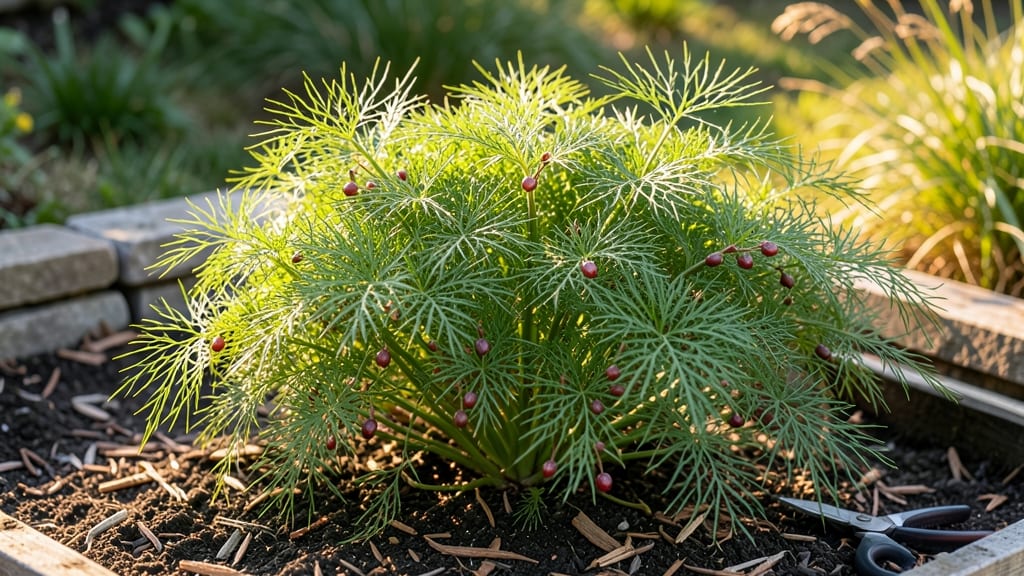
Seeing the asparagus that has gone to seed isn’t a death sentence—it’s a sign your plants are aging or stressed. 🌱 I’ve seen mature asparagus crowns send up those feathery seed stalks after 5-7 years, but even young plants can bolt from heat. drought, or overcrowding.
The good news? With the right moves, you can trim those seed stalks, nurse the crowns back to health, and still get a harvest next spring.
First, stop watering those seed stalks—they’re stealing energy from your spears. Snip them at the base (or pull them entirely) to redirect the plant’s focus back to root growth. Then, give the soil a deep drink if it’s dry, and hold off on heavy fertilizing until new shoots appear.
Older plants may need a full replant: dig up the crowns, divide them, and replant the healthiest sections in fresh soil. This refreshes their energy for another 10-15 years of harvests.
Prevent future bolting by spacing plants 12-18 inches apart, mulching to keep soil moist, and avoiding nitrogen-heavy fertilizers in late summer. If your patch is past its prime, consider replacing it entirely—new asparagus crowns take 2-3 years to produce, but they’ll reward you with thick, tender spears for decades.
The key is acting fast before the seed stalks drain the roots completely.
Even if your current harvest is fading, don’t toss those crowns. Replant the healthiest sections in well-drained soil, and you’ll see fresh spears emerging by early spring. The secret? Balance—water, space, and patience. Next year’s harvest could be better than ever.
The Hidden Triggers Behind Seed Formation
When your asparagus plants start producing those tall, feathery seed stalks, it’s not just a sign of age—it’s a response to specific environmental and biological cues. Understanding these triggers can help you manage your crop more effectively and even decide whether to let the plant go to seed intentionally.
Here’s why it happens:
Asparagus is a perennial crop, meaning it lives for multiple years, and like many perennials, it eventually shifts its energy from spear production to reproduction. After 3–5 years of harvest, most asparagus plants enter a mature phase where they prioritize seed production over spears.
This is hardwired into their genetics—wild asparagus plants rely on seeds to propagate, and cultivated varieties retain this instinct.
What’s happening scientifically?
- Hormonal shifts: As the plant ages, it produces more ethylene and florigen (a flowering hormone), signaling the transition from vegetative growth to reproductive mode.
- Energy redistribution: Instead of directing nutrients to spear development, the plant allocates resources to flower stalks, which eventually form seeds.
- Root system decline: Older roots produce fewer spears because their energy is diverted to seed production, reducing your harvest yield.
Actionable insight: If you’re growing asparagus for long-term harvests, cut back seed stalks in the first 2–3 years to delay this transition. However, if your plants are past their prime, allowing them to seed can renew the soil with fresh genetics—just be prepared for a temporary drop in spear production.
Plants often go to seed as a survival strategy when they sense stress. For asparagus, common stressors include drought, extreme heat, poor soil conditions, or physical damage. When a plant perceives its environment as unstable, it triggers reproductive mode to ensure the next generation’s survival.
Key stress factors:
| Stressor | How It Triggers Seeding | Solution |
|---|---|---|
| Drought | Lack of water signals the plant to conserve resources by producing seeds instead of spears. | Water deeply 1–2 inches per week, especially during dry spells. |
| Extreme Heat | High temperatures (above 90°F/32°C) disrupt normal growth, prompting early flowering. | Provide shade cloth or mulch to regulate soil temperature. |
| Poor Soil Nutrients | Low nitrogen or phosphorus forces the plant to prioritize seed production over growth. | Test soil and amend with compost or a balanced fertilizer (10-10-10). |
| Physical Damage | Pruning too aggressively or frost damage can shock the plant into reproductive mode. | Avoid over-pruning; protect plants from late frosts with row covers. |
Pro tip: 💡 If your asparagus suddenly sprouts seed stalks mid-season, check for underlying stress. Addressing the root cause (literally!) can sometimes reverse the process and restore spear production.
Asparagus is day-neutral, meaning it doesn’t rely solely on daylight hours to flower—but it does respond to seasonal changes. While it won’t flower in response to short days like some plants (e.g., poinsettias), temperature fluctuations and early spring warmth can accelerate the transition to seeding.
What’s the science?
- Vernalization: Some asparagus varieties require a period of cool winter temperatures (below 50°F/10°C) to "break dormancy" and initiate flowering the following year.
- Warm Spring Jumps Start Growth: If spring arrives too early (e.g., unseasonably warm), the plant may skip the vegetative phase and go straight to seed production.
- Late Planting: Asparagus crowns planted after early spring (when days are already long) may prioritize seeding over spear growth.
Actionable tip: ✨ For a longer spear-producing window, plant asparagus crowns in early spring (as soon as the soil is workable) to align with natural growth cycles. If you’re in a warm climate, consider shade cloth to slow early growth.
When asparagus ferns (the feathery tops) grow too densely, they compete for sunlight, water, and nutrients. This competition signals the plant that survival is uncertain, prompting it to reproduce via seeds.
Overcrowding often happens when: - Crowns are planted too closely (ideal spacing: 12–18 inches apart). - Weeds or other plants shade the asparagus bed. - Ferns are not trimmed after harvest, leading to excessive foliage.
What happens underground?
- Root stress: Competing roots deplete soil resources, forcing the plant to shift energy to seed production.
- Reduced photosynthesis: Shaded ferns produce less glucose, weakening the plant’s ability to sustain spear growth.
Fix it: 🔥 Thin out crowns in early spring to restore spacing. 👨🍳 Mulch heavily (3–4 inches of straw or wood chips) to suppress weeds and retain moisture. 🥘 Trim ferns after harvest to redirect energy back to spear production.
Not all asparagus varieties behave the same. Some heirloom or open-pollinated varieties are more prone to seeding than hybrid cultivars, which are often bred for spear production over reproduction.
If you’re growing: - Older varieties (e.g., ‘Mary Washington’ or ‘Martha Washington’), they may seed more readily. - Organic or seed-saving strains, they’re likely to follow natural reproductive cycles.
Why it matters: Hybrid varieties (like ‘Jersey Knight’ or ‘Pacific 2000’) are selected to delay seeding for 4–5 years, while heirlooms may start producing seeds as early as year 2.
Actionable choice: If you want to avoid seeding, stick with hybrid varieties. If you’re saving seeds for propagation, let heirloom plants go to seed—just harvest the seeds before they scatter!
Reviving and Replanting Solutions
Now that you understand why your asparagus has gone to seed, let’s tackle how to fix it—and even turn it into an opportunity for a healthier, more productive garden next season.
Whether your plants are exhausted, overcrowded, or simply past their prime, these practical steps will help you revive what’s left and prepare for a bountiful harvest in the future.
Before diving into solutions, take a closer look at your asparagus bed.
Ask yourself: - Are the spears still producing, but fewer in number? - Are the ferns (leaves) sparse or yellowing? - Do the plants look weak, or are they just slow to recover after harvest? - Is the soil compacted, or do you see signs of pests/disease?
💡 Pro Tip: If your asparagus is over 10 years old, it’s likely time to replace it entirely—these perennial plants naturally decline after a decade. But don’t worry; replanting is easier than you think!
If your asparagus crowns (the thick, woody base) still look healthy, you can try rejuvenating them with these steps:
🌿 Fertilize for Recovery
Asparagus is a heavy feeder, especially after years of production.
Give it a nutrient boost with: - Balanced fertilizer (10-10-10 or 5-10-10) in early spring. - Compost or well-rotted manure worked into the soil to improve structure and fertility. - Phosphorus-rich amendments (like bone meal) to support root and crown health.
⚠️ Warning: Avoid over-fertilizing with nitrogen—this encourages leafy growth at the expense of spears. Stick to a moderate dose.
💧 Water Wisely
Drought stress accelerates decline. Keep the soil:
- Consistently moist (1–1.5 inches of water per week).
- Mulched (2–3 inches of straw or wood chips) to retain moisture and suppress weeds.
🪴 Thin Out Crowded Crowns
Overcrowding leads to smaller spears and weaker plants. Dig carefully around the base and:
- Separate crowns that are growing too close (aim for 12–18 inches between plants).
- Remove diseased or weak crowns entirely to prevent spread.
🛡️ Pest and Disease Control
If pests (like asparagus beetles) or fungal issues (like rust) are to blame:
- Handpick beetles and drop them in soapy water.
- Apply neem oil or copper fungicide as a preventive spray.
- Rotate crops if replanting in the same spot (avoid planting asparagus in the same location for 3+ years).
If your asparagus bed is beyond revival, it’s time to replant. Here’s how to do it right:
🌱 Choose the Right Time
- Plant crowns in early spring (as soon as the soil is workable) or fall (6–8 weeks before the first frost).
- Avoid planting in summer heat, which stresses young roots.
🏡 Select a Sunny, Well-Drained Spot
Asparagus thrives in:
- Full sun (6+ hours daily).
- Loose, sandy loam soil with a pH of 6.5–7.5.
- Good drainage (no soggy spots—these cause rot).
🌿 Plant Crowns Properly
- Soak crowns in water for 2–3 hours before planting.
- Dig trenches 6–8 inches deep and 12–18 inches apart.
- Lay crowns horizontally in the trench, spreading roots downward.
- Cover with 2 inches of soil, leaving the tips exposed.
- Water gently to settle the soil.
- Gradually mound soil over the crowns as they grow (by mid-summer, they should be fully buried).
💡 Pro Tip: Plant crowns in rows (not clumps) for easier harvest and maintenance.
🌱 First-Year Care: Patience Is Key!
- Do not harvest spears in the first year—let the plants establish roots.
- Do not fertilize heavily in Year 1 (light compost is fine).
- Keep weeds at bay (they compete for nutrients).
- Water deeply during dry spells.
Once you’ve revived or replanted, keep these habits to avoid future issues:
- Rotate crops—never plant asparagus in the same spot for more than 3–4 years.
- Harvest spears early—stop when they’re 8–10 inches tall to prevent stress.
- Fertilize moderately—focus on phosphorus and potassium, not just nitrogen.
- Monitor for pests—check ferns regularly for beetles or eggs.
- Test your soil every few years to adjust pH and nutrients as needed.
If you’re replacing your asparagus bed entirely, consider:
- Interplanting with shallow-rooted crops (like lettuce or radishes) while the bed establishes.
- Composting old crowns (if disease-free) to enrich your soil.
- Planting companion crops (like tomatoes or basil) to deter pests naturally.
With these steps, you’ll not only revive your struggling asparagus but also set the stage for a healthier, more productive garden in the years to come. Happy gardening! 🌱🍽️
Frequently asked questions
Why does my asparagus go to seed after just 2-3 years?
Young asparagus plants may bolt prematurely due to stress factors like drought, extreme heat, or poor soil conditions. Heirloom varieties also seed faster than hybrid cultivars, which are bred to delay reproduction. Check your planting conditions—overcrowding or nutrient deficiencies can trigger early seeding.
Can I still harvest spears if my asparagus has gone to seed?
Yes, but expect fewer spears as the plant redirects energy to seed production. Focus on harvesting early (when spears are 8-10 inches) and avoid cutting seed stalks—this weakens the plant further. Prioritize the healthiest crowns for next year's harvest.
How do I tell if my asparagus crowns are still viable for replanting?
Healthy crowns have firm, white roots and no signs of rot or pests. If the crown feels woody but shows no disease, you can divide and replant the healthiest sections. Discard any crowns with blackened roots or hollow centers—they won't recover.
What's the best way to collect asparagus seeds if I want to save them?
Wait until the seed pods turn brown and dry, then gently squeeze them to release the seeds. Store them in a cool, dry place for up to 2 years. For best results, plant them in early spring—germination can be slow, so be patient!
Will cutting back seed stalks actually help my asparagus produce more spears?
Yes, but only temporarily. Removing seed stalks redirects some energy back to spear production, but the plant's natural aging process will still dominate. For long-term results, consider replanting hybrid varieties that delay seeding for 4-5 years.