
Picking
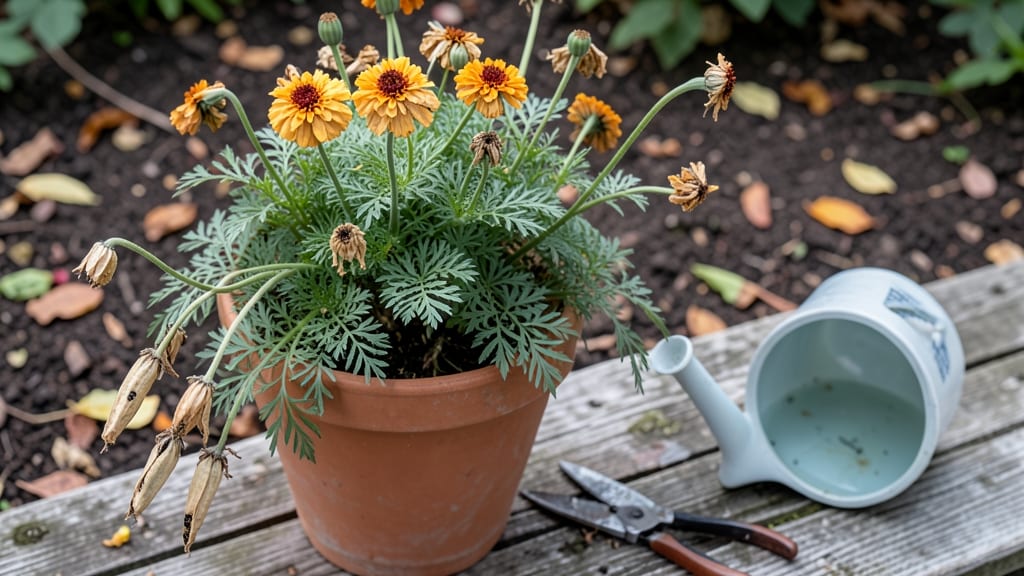
Harvesting marigold seeds in late summer turns this year's blooms into next year's garden superstars. 🌻 The secret lies in knowing exactly when those brown seed heads are ready—before they scatter—and how to dry and store them properly so they don't lose viability.
Start by snipping mature seed heads when they turn completely brown and dry but haven't yet split open. A gentle squeeze should release seeds easily—if they're still green, wait another week.
Once collected, spread them in a single layer on a tray or paper towel in a warm, dry spot for 7-10 days to fully dry.
Store the dried seeds in an airtight container with a silica gel packet or rice grains to absorb moisture. Label with the year and variety, then tuck them in a cool, dark place where they'll stay viable for 2-3 years.
Next spring, you'll have fresh plants without paying a dime for seedlings.
This method works for French, African, and Mexican marigolds alike—just adjust timing based on your climate. Pro tip: If seeds stick together, lightly rub them between your palms before storing to ensure even drying.
📚 In This Guide
- What you need
- Instructions
- Tips and common mistakes
- Wrapping up and next steps
What you need
- ● Mature marigold plants: Choose healthy, disease-free plants with fully developed seed heads (brown, papery pods). Aim for at least 3–5 plants for a good seed yield.
- ● Pruning shears or clean scissors: Sharp tools to snip seed heads cleanly (sterilize with rubbing alcohol if reusing).
- ● Paper bags or breathable mesh sacks: 2–3 medium-sized bags (12x15 inches) to collect seeds and allow airflow.
- ● Labeling tags or masking tape: To mark seed varieties (e.g., French, African, or Mexican marigolds).
- ● Drying surface: A clean, dry tray, cardboard box, or screen in a warm, well-ventilated spot (avoid direct sunlight).
- ● Air-tight containers: 1–2 small jars or envelopes (e.g., glass mason jars with tight lids or seed-saving envelopes).
- ● Desiccant packets: Place 1–2 in storage containers to absorb excess moisture and prevent mold.
- ● Fine-mesh strainer: For separating seeds from chaff if pods are overly fibrous.
- ● Humidity monitor: Ensures your drying area stays below 50% humidity (ideal: 30–40%).
- ● Notebook: To log harvest dates, varieties, and growing conditions for future reference.
Step-by-Step instructions for harvesting marigold seeds
Here's how I save seeds from my marigolds year after year—no fancy tools needed.
🌱 Step 1: Identify and Select Healthy Seed Heads
Wait until the center blooms of your marigold plants turn brown and dry out completely. These are the seed heads you want—usually the ones in the middle of the flower cluster. Avoid any that look moldy or have black spots, as those seeds won't germinate well.
I like to pick seed heads on the tallest, healthiest plants first. These plants have proven their strength, and their seeds are more likely to produce vigorous new plants. Use clean, sharp scissors or your fingers to gently twist the seed head off the stem. Don't yank—this can damage the plant and leave behind debris.
🌿 Step 2: Dry the Seed Heads Properly
Lay the seed heads on a tray lined with newspaper or paper towels in a warm, dry spot with good air circulation. I use a sunny windowsill or a well-ventilated room. Keep them out of direct sunlight, though—too much heat can dry them out too quickly and scatter seeds prematurely.
It takes about 2-3 weeks for the seed heads to dry completely. You'll know they're ready when the seed pods turn a deep brown and open slightly on their own. If you see any mold or soft spots, toss those heads—they won't produce viable seeds.
✂️ Step 3: Extract and Clean the Seeds
Once the seed heads are fully dry, gently rub them between your fingers or use a clean, dry paintbrush to release the seeds. I like to do this over a clean sheet of white paper so I can easily spot any debris or damaged seeds. Discard any seeds that look shriveled, discolored, or have holes in them.
For extra clean seeds, spread them out on the paper and use a small funnel or your fingers to blow away any chaff or light debris. Store the seeds in a small envelope or airtight container—just make sure it's labeled with the variety and the year you harvested them.
🪴 Step 4: Store Seeds for Next Year
Place the dried seeds in a cool, dark place like a pantry or seed storage container. Marigold seeds stay viable for 2-3 years if stored properly, but I always label them with the year so I know how fresh they are. A small paper envelope works fine, but if you're saving a lot of seeds, a mason jar with a tight lid keeps them extra protected.
Check your seeds once a year to make sure they're still dry and free of moisture. If you notice any signs of mold or mustiness, toss them—they won't germinate well. When spring rolls around, you'll have fresh marigold seeds ready to plant and bring back those bright, cheerful blooms.
Tips & tricks for perfect marigold seed harvesting
Real talk: Harvesting marigold seeds is easier than you think—once you know these little tricks. Here's what nobody tells you about getting the best seeds for next year's garden.
Timing Secret: The 2-3 week drying time in Step 2 is non-negotiable—this is when the seeds fully mature and develop their hard outer coating that protects them during storage. I've tried rushing it with a hairdryer, but the seeds were too soft and didn't store well. If your climate is humid, consider placing a small fan nearby to improve air circulation without direct airflow on the seed heads.
Selection Tip: In Step 1, focus on seed heads that are completely brown and crispy—not just yellowing. I learned this the hard way after planting seeds from partially dried heads that produced weak, leggy plants. The fully brown color means the seeds inside are ready for extraction, while green or yellow pods still contain developing seeds that won't be viable.
Storage Wisdom: For Step 4, I've found that adding a tiny packet of silica gel to the storage container (the kind that comes with electronics) helps maintain dryness between annual checks. These packets are reusable—just dry them out in the oven at 200°F for 2 hours whenever they turn pink. The seeds will stay viable for the full 2-3 years without any mustiness.
Pro Tips for Harvest Marigold Seeds For Next Year
- Real talk: Harvesting marigold seeds is easier than you think—once you know these little tricks.
- Timing Secret: The 2-3 week drying time in Step 2 is non-negotiable—this is when the seeds fully mature and develop their hard outer coating that protects them during storage.
- Selection Tip: In Step 1, focus on seed heads that are completely brown and crispy—not just yellowing.
Frequently asked questions
Got questions about saving marigold seeds for next season? You’re not alone! Here are answers to the most common queries—so you can confidently harvest, store, and replant with ease.
When is the best time to harvest marigold seeds?
Harvest seeds when the flower heads turn brown and dry out, usually 3–4 weeks after blooming. If you wait too long, the pods may crack open and scatter seeds prematurely. Aim for late summer or early fall in most climates.
Can I store marigold seeds in the fridge instead of a cool, dry place?
While the fridge works in a pinch, it’s not ideal—high humidity can cause mold. Instead, opt for a paper envelope or breathable container in a cool (not freezing) (35–45°F), dry spot like a basement or pantry. Label your seeds to avoid mix-ups!
What if my marigold seeds don’t germinate next year?
Seeds can lose viability over time, but try these fixes:
- Test germination by planting a few seeds in damp paper towels—if they sprout in 7–14 days, the rest are likely good.
- Store seeds in a sealed container with a desiccant packet to absorb moisture.
- Buy fresh seeds as backup—some varieties (like ‘Bonanza’ or ‘French marigolds’) are easier to grow from seed.
Can I save seeds from hybrid marigolds?
Hybrid seeds (like ‘Tangerine’ or ‘Jumbo’) may not grow true to type, but you can still try! For consistent results, save seeds from heirloom or open-pollinated varieties. If you love hybrids, consider buying new seeds annually for predictable blooms.
How long do marigold seeds stay viable for planting?
Under perfect conditions (cool, dry, dark), marigold seeds can stay viable for 2–3 years. After that, germination rates drop. For best results, plant seeds within 1–2 years of harvest. Store them in a labeled envelope with the harvest date!
Wrapping up and next steps
Harvesting marigold seeds is a simple yet rewarding way to ensure next year’s vibrant blooms—just follow the steps we’ve shared! With patience and a little care, you’ll have fresh seeds ready to plant, saving both money and effort.
Now that you’re equipped with the know-how, why not share your newfound skills with fellow gardeners? Post your progress online or swap seeds at a local plant swap—your green thumb might inspire others to grow too! 🌱