
Plants
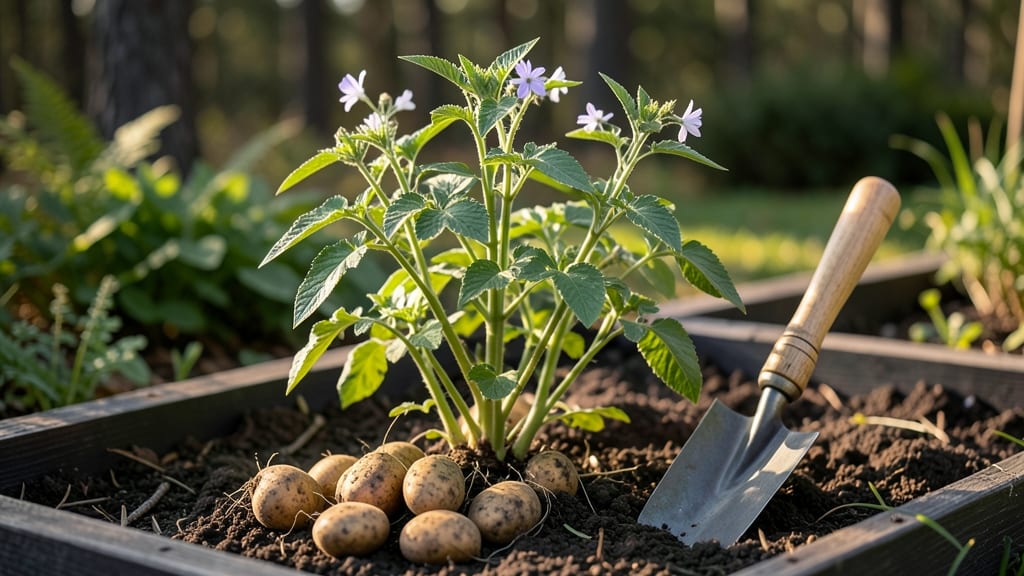
Planting seed potatoes in Michigan happens between late March and mid-April—when soil warms to 40–50°F and frost is no longer a threat.
Michigan’s unpredictable spring weather can turn seed potato planting into a high-stakes guessing game—but timing is everything for a bountiful harvest.
Get it wrong, and you risk stunted growth, pests, or even total crop failure. I’ve seen early planters lose their entire crop to late frosts, while late starters struggle with blight by summer.
Here’s the exact planting schedule and pro tips to ensure your Zone 5 garden thrives, from soil prep to variety selection tailored for Michigan’s short growing season.
Michigan seed potato planting dates by variety and soil temperature
Timing your seed potato planting in Michigan’s Zone 5 isn't just about dates—it's about soil temperature and frost-free windows. The Upper Peninsula often waits 1-2 weeks longer than the Lower Peninsula due to cooler climates.
For best results, aim to plant when soil reaches 40–50°F, ensuring tubers sprout without frost damage. Early varieties like Yukon Gold can handle cooler soils, while late varieties like Russet Burbank need warmer conditions to thrive.
Michigan State University Extension recommends using your average last frost date as a baseline, then adjusting for soil warmth. In most areas, this falls between mid-April and early May, but northern Michigan gardens may push planting to late May.
The key is balancing frost risk with soil readiness—planting too early in cold soil stunts growth, while waiting too long shortens the growing season.
Here’s your variety-specific planting guide, including soil temperature thresholds and frost-free date calculations tailored to Michigan’s microclimates:
For Lower Peninsula gardeners, aim to plant early varieties by April 30 to ensure harvest before first fall frosts (typically mid-September). In the Upper Peninsula, shift planting 2–4 weeks later to avoid late spring frosts, which can kill emerging sprouts.
Use a soil thermometer to verify readiness—40°F is the minimum for sprouting, but 50°F accelerates growth.
Pro tip: Chit your seed potatoes (place in light, cool conditions for 4–6 weeks before planting) to jumpstart sprouting. This 2–3 week head start compensates for Michigan’s unpredictable springs. Pair this with black plastic mulch to warm soil faster and extend the growing season by 1–2 weeks.
Monitor 7-day forecasts—if frost is predicted within 5 days of planting, delay until conditions stabilize.
Soil preparation is just as critical as timing. Work in compost or aged manure to improve drainage, as waterlogged soil causes rot. Aim for pH 5.0–6.5—Michigan’s clay-heavy soils often need gypsum or sulfur to adjust.
Plant 2–3 inches deep, spacing rows 30 inches apart for larger varieties like Russet Burbank, or 12–18 inches for fingerlings. Hilling soil around stems as plants grow protects tubers from green light exposure, which turns them toxic.
If you’re in southern Michigan (e.g., Detroit, Kalamazoosecond planting of early varieties in late June for a fall harvest. However, this requires row covers to protect from early September frosts. For northern regions, focus on one high-yielding variety like Yukon Gold to maximize your short season.
Always calculate your harvest window by subtracting days to maturity from your first frost date—most Michigan areas have 120–140 frost-free days.
For real-time adjustments, check the Michigan State University Garden Hotline or local Cooperative Extension offices for weekly updates on soil conditions. Their
5 Critical signs your Michigan potatoes are ready to plant (and 3 mistakes to avoid)
Timing your seed potato planting in Michigan’s Zone 5 climate isn’t just about checking a calendar—it’s about reading your garden’s cues. Cold snaps, soggy soil, and premature planting can turn your potato harvest into a gamble.
I’ve learned the hard way: planting too early means frost damage, while waiting too long cuts your growing season short. Here’s how to nail the perfect window.
The Michigan State University Extension recommends waiting until the soil reaches 40–50°F at a depth of 4 inches. But don’t rely solely on thermometers—your seed potatoes and soil will give you clearer signals.
For example, if your sprouts are 1–2 inches tall but the ground is still muddy, you’re not ready. Balance is key.
Here’s my risk-assessment checklist to avoid common mistakes and ensure your potato plants thrive:
- 1
- 2
- 3
- 4
- 5
Now, let’s talk about the three mistakes that sink even experienced gardeners. First, planting too early—even if your sprouts look eager. Cold soil slows root growth, and frost damage can kill your plants before they establish.
Second, skipping soil prep: Michigan’s clay-heavy soil needs compost and sand to drain properly. Third, ignoring microclimates. A southern Michigan garden might be ready by late April, while northern zones could wait until early June.
Pro tip: If your spring is late, opt for early-maturing varieties like ‘Yukon Gold’ or ‘Red Norland’. They’ll still yield well with a shorter season. And always plant in hills (12 inches apart) to improve drainage—critical in Michigan’s wet springs. Your potato harvest depends on it!
Remember, Zone 5 gardening is about patience. Rushing leads to failure, but waiting too long means missing the boat. Trust your seed potatoes’ signals, prep your soil right, and you’ll be digging up golden tubers by summer’s end. Happy planting!