
Lawn
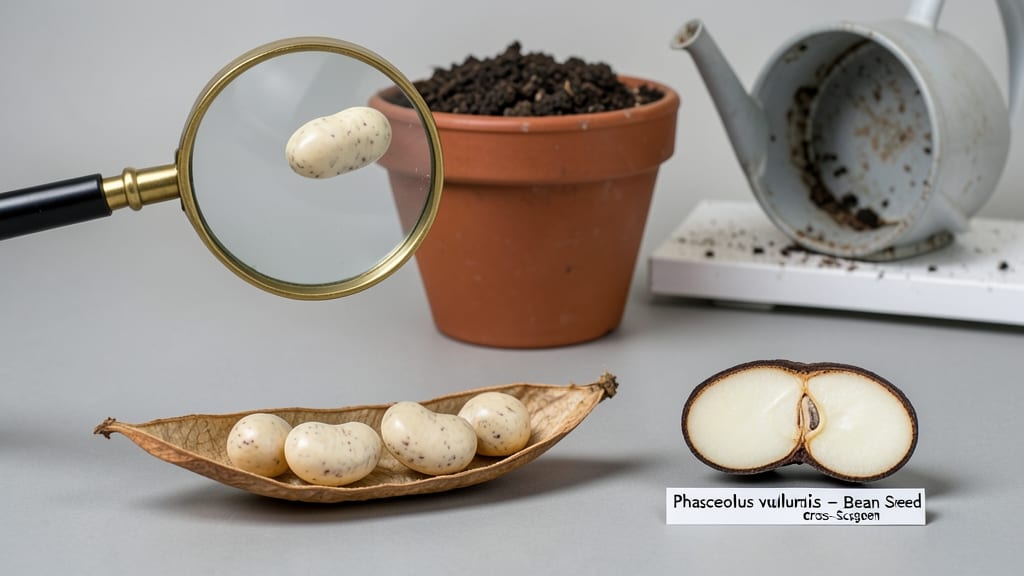
The seed coat is made of protective layers combining cellulose, lignin, and suberin, with specialized cells like the palisade layer and testa working together to guard the embryo from physical harm, drying out, and infections during its dormant phase.
The seed coat's durability comes from these fibrous materials—cellulose provides structural strength, while lignin adds rigidity and water resistance. 🌱 Suberin acts like a waterproof sealant, preventing moisture loss.
This complex composition explains why some seeds can survive extreme conditions for years. For example, lotus seeds have been germinated after over 1,200 years!
Beyond physical protection, the seed coat's chemical makeup plays a crucial role in germination timing. Hard seed coats in legumes, like beans, often require scarification (scratching or soaking) to weaken their tough outer layer.
Meanwhile, softer coats in grasses allow quicker water absorption. Understanding these differences helps gardeners and farmers optimize planting strategies for different species.
💡 In This Article
- Chemical Composition of Seed Coat Layers
- How Seed Coat Structure Affects Germination Success
Chemical composition of seed coat layers
The seed coat's remarkable durability stems from its layered structure, where cellulose forms the primary framework. This polysaccharide polymer creates microfibrils that provide tensile strength—similar to how steel rebar reinforces concrete.
These fibers are embedded in a matrix of lignin, a complex aromatic polymer that adds rigidity and water resistance by filling spaces between cellulose strands. Together, they create a composite material that can withstand pressures up to 500 psi—about the same force needed to crush a soda can!
For true waterproofing, the seed coat relies on suberin, a waxy polymer that forms a continuous layer called the Casparian strip. This substance is so effective that it can reduce water permeability by 99% compared to untreated cellulose.
You'll also find secondary metabolites like flavonoids and tannins that add color and antimicrobial properties. For example, the deep brown coats of acorns contain high tannin concentrations that deter insects and fungi. 🌱
Monocot seeds (like grasses) often have thinner, more flexible coats that prioritize quick water absorption, while dicot seeds (like beans) develop thicker, harder layers. The testa—an outer layer—contains specialized cells called palisade cells that can reach 0.5 mm in length, forming a dense barrier.
This structural variation explains why wheat seeds sprout faster than peanuts in moist conditions.
Color plays a functional role too. Darker coats often contain melanins, which absorb UV radiation and prevent embryo damage. Light-colored coats, like those on sunflower seeds, reflect heat to maintain cooler internal temperatures.
The interplay between these chemical components creates a dynamic system where each layer has a specific job—whether it's blocking water, deflecting pathogens, or regulating gas exchange.
Consider the lotus seed: its multi-layered coat contains 15% lignin by weight, making it nearly impermeable. This composition allows the seed to remain viable for millennia in anaerobic conditions.
The same principles apply to modern seed storage technologies, where controlled humidity (5-10%) and oxygen levels help preserve seed viability for decades.