
Size
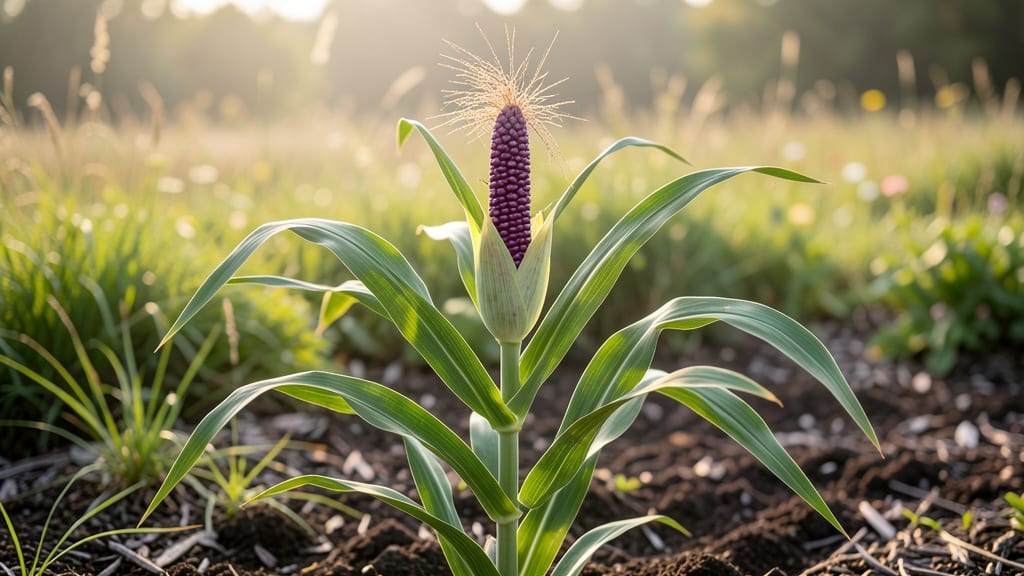
Growing violet corn from seed unlocks a garden that looks like a painter’s palette. 🌱 The secret to those stunning purple kernels starts with a three-layer soil trick that speeds germination and keeps roots happy.
I learned this after my first batch of seeds took forever to sprout—until I adjusted the soil mix. This method works even with beginner mistakes like overwatering or uneven planting.
You’ll need loose, well-draining soil, a sunny spot, and patience for those first bright green shoots to appear in about 7-10 days. The key is keeping the top layer moist while letting deeper layers breathe—just like corn in its natural habitat.
Once sprouted, your plants will grow 6-8 feet tall with vibrant purple ears that ripen in 90-110 days. The best part? You can harvest a few ears early for fresh eating while leaving others to fully mature. Just watch for corn earworm and keep birds at bay with netting.
For small gardens, try growing in blocks instead of rows—it saves space and makes harvesting easier. And if you love the look, save some seeds for next year’s even more dramatic display!
📚 In This Guide
- What you need
- Instructions
- Tips and common mistakes
- Wrapping up and next steps
What you need
- ● Violet corn seeds: 50–100 seeds (or 1–2 seed packets, depending on desired yield). Look for heirloom or non-GMO varieties for best results.
- ● Growing containers: Option 1: Large pots (10–12 inches deep) with drainage holes.
- ● Option 2: Raised garden beds (at least 12 inches deep).
- ● Option 3: In-ground soil (if your climate allows for year-round growth).
- ● Soil layers (for 3-layer method): Layer 1 (Bottom): 4–6 inches of coarse sand or perlite (for drainage).
- ● Layer 2 (Middle): 4–6 inches of well-draining potting mix (or a 50/50 blend of compost and coconut coir).
- ● Layer 3 (Top): 2–3 inches of light, fluffy seed-starting mix (or a topsoil-compost blend).
- ● Watering can or spray bottle: With a fine mist setting for gentle hydration.
- ● Plant labels: Waterproof markers to track varieties (violet corn can cross-pollinate!).
- ● Trowel or small shovel (for planting and soil layering).
- ● Gloves (to protect hands from soil and sharp seed coats).
- ● Measuring cup or ruler (to ensure precise soil layering).
- ○ Fertilizer (optional but helpful): Balanced organic fertilizer (e.g., 10-10-10) or compost tea for a nutrient boost.
- ● Sunlight: A spot with 6–8 hours of direct sunlight daily (violet corn loves warmth!).
- ● Temperature: Ideal germination range: 65–85°F (18–29°C). Use a heat mat if starting indoors in cooler climates.
- ● Patience: Germination can take 7–14 days—stay consistent with moisture!
- ● Grow lights (if sunlight is limited).
- ● Mulch (straw or shredded leaves) to retain moisture.
- ● Trellis or stakes (if growing tall varieties).
- ● pH test kit (aim for 6.0–7.0; violet corn prefers slightly acidic to neutral soil).
Step-by-step instructions for growing violet corn in 3 soil layers
Here’s how to plant violet corn seeds for fast germination using a simple three-layer soil method.
🌱 Step 1: Prepare the Three-Layer Soil Mix
Start with a large container (at least 12 inches deep) and create three distinct soil layers. The bottom layer should be coarse sand or perlite (about 2 inches deep) to improve drainage and prevent rot. This layer ensures excess water drains away from the roots, which is critical for corn seeds.
Next, add a 4-inch layer of well-draining potting mix—this is where the seeds will germinate. Mix in a handful of compost or worm castings to boost nutrients without overwhelming the tender seedlings. The top layer should be 2 inches of fine, fluffy potting mix to create a soft landing for the seeds and retain moisture near the surface.
💧 Step 2: Plant Seeds at the Right Depth and Spacing
Corn seeds need warmth and moisture to germinate quickly, so plant them 1 inch deep in the middle layer of soil. Space 4 seeds about 2 inches apart in a small cluster—this mimics natural planting and ensures strong stalks later. Press the soil gently around the seeds to secure them without compacting it too tightly.
Water the soil lightly but thoroughly until the top 1 inch feels damp—not soggy. Avoid soaking the top layer, as this can wash seeds away or create a crust that blocks germination. If the soil feels dry after watering, add a thin layer of mulch (like straw) to lock in moisture while keeping the seeds warm.
☀️ Step 3: Provide Warmth and Light for Fast Germination
Corn seeds germinate fastest in warm soil (70-80°F). Place the container in a sunny spot or under a grow light for 12-14 hours daily. If your home runs cool, set the container on a seedling heat mat to maintain consistent warmth. You’ll see sprouts in 5-10 days—watch for the first tiny green tips breaking through the soil.
Once the seedlings emerge, remove any mulch and keep the soil evenly moist (not waterlogged). Thin to the strongest seedling per cluster when they reach 3 inches tall, snipping the others at the base. This prevents overcrowding and ensures the remaining plant gets enough nutrients to grow strong.
🌿 Step 4: Transplant or Thin for a Healthy Garden
When seedlings have 4-6 leaves (about 3-4 weeks after planting), they’re ready to transplant into the garden. Choose a sunny, well-drained spot and space plants 12 inches apart in rows 2 feet apart—this gives them room to develop sturdy stalks and vibrant violet kernels.
If you’re keeping them in containers, upgrade to 5-gallon pots with fresh potting mix. Keep the soil consistently moist (about 1 inch of water per week) and fertilize lightly with balanced fertilizer every 4-6 weeks. Watch for tassels (male flowers) and silks (female flowers)—this is when the magic happens, and those iconic violet kernels start forming!
Tips & tricks for growing violet corn seeds
These simple strategies will help you maximize germination speed and grow healthy violet corn plants.
Layer Depth Matters: When creating your three soil layers, use a ruler to measure each precisely. The 2-inch bottom layer of coarse sand or perlite is non-negotiable—this prevents rot by wicking away excess moisture. I've seen seeds fail when this layer was too thin, so don't skimp here. The 4-inch middle layer should be loose and airy; press it down too much and you'll compact the soil, making it harder for roots to penetrate.
Seed Placement Technique: Planting 4 seeds 2 inches apart in clusters mimics natural growing conditions, but here's the secret: use a toothpick to create small holes for each seed. This prevents disturbing nearby seeds when you press soil around them. After planting, gently pat the soil with your fingers—don't use your palm or you'll compact the delicate seed bed. The goal is to keep seeds snug but not buried deeper than 1 inch.
Warmth is Non-Negotiable: Violet corn seeds need consistent warmth of 70-80°F to germinate. If your home runs cool, place your container on a seedling heat mat set to 80°F—this is the sweet spot for fast germination. I've seen germination times double when soil was below 65°F, so don't skip this step, especially in cooler climates. A simple thermometer placed in the soil will help you monitor temperatures accurately.
Lighting Strategy: While natural sunlight is ideal, grow lights work perfectly for 12-14 hours daily. Position lights 6-12 inches above the seedlings and adjust as they grow. I like to use LED grow lights because they emit less heat, preventing soil from drying out too quickly. If using natural light, rotate your container daily to ensure even growth—this prevents seedlings from leaning toward one light source.
Pro Tips for Violet Corn Seed Grow A Garden
- These simple strategies will help you maximize germination speed and grow healthy violet corn plants.
- Layer Depth Matters: When creating your three soil layers, use a ruler to measure each precisely.
- Seed Placement Technique: Planting 4 seeds 2 inches apart in clusters mimics natural growing conditions, but here's the secret: use a toothpick to create small holes for each seed.
Frequently asked questions
Got questions about growing violet corn from seed?
You’re not alone! Here are some of the most common queries—and their straightforward answers—to help you cultivate a stunning, edible garden with confidence.
How long does it take for violet corn seeds to germinate?
Violet corn seeds typically sprout within 7–14 days under ideal conditions (warm soil, 70–85°F, and consistent moisture). For faster germination, pre-soak seeds for 6–12 hours before planting. Patience is key—some varieties may take up to 3 weeks, especially in cooler soils. Pro tip: Use a heat mat if your climate runs chilly!
When is the best time to plant violet corn seeds?
Plant seeds after the last frost when soil temperatures are consistently above 60°F. In most regions, this means late spring to early summer (April–June in the U.S.). For longer growing seasons, start seeds indoors 2–3 weeks before transplanting. Warning: Violet corn is sensitive to cold—avoid planting too early or it may rot.
Can violet corn grow in containers or small gardens?
Violet corn thrives in containers 12+ inches deep with well-draining soil. Use large pots (5+ gallons) for single plants or raised beds for multiple stalks. Ensure the container has support for tall stalks (6–10 feet) and place it in full sun (6+ hours/day). Dwarf varieties like ‘Black Aztec’ are perfect for small spaces!
What pests or diseases should I watch for with violet corn?
Common threats include corn earworms, aphids, and fungal diseases (like blight). Prevent pests with neem oil sprays or companion planting (e.g., marigolds). For diseases, ensure good airflow and avoid overhead watering. Quick fix: Remove damaged leaves immediately to stop spread.
Why isn’t my violet corn turning purple?
Purple hue fades if the corn isn’t exposed to full sun (6+ hours/day) or lacks sufficient nutrients (try a balanced fertilizer). Some varieties darken as they mature—check your seed packet! Fun fact: The purple color comes from anthocyanins, which also boost antioxidant levels.
Can I save seeds from my violet corn harvest?
Yes! Let a few ears dry completely on the stalk (or indoors) before shelling kernels. Store seeds in a cool, dry place for up to 2 years. Note: Cross-pollination may affect color purity—grow only one variety if you want consistent violet corn.
Wrapping up and next steps
Growing violet corn from seed is a rewarding journey that blends creativity with gardening know-how! By experimenting with different soil layers—topsoil, compost, and sand—you’ve unlocked secrets to faster germination and healthier plants.
Whether you’re a seasoned gardener or a curious beginner, your violet corn garden is now primed for vibrant growth and stunning harvests. 🌱
Ready to take the next step? Start small—plant a few seeds in your chosen soil mix and observe how they thrive. Share your progress with fellow gardeners, or dive deeper into companion planting to maximize your garden’s potential. Happy growing! 🌟