
Flowers
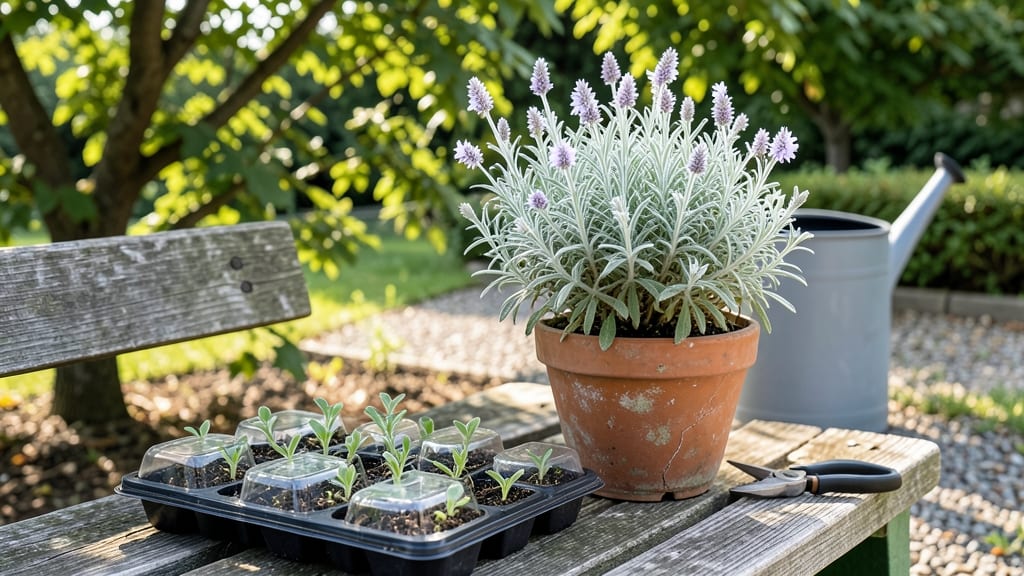
Growing Verbena rigida from seeds means fragrant purple blooms that hummingbirds can't resist—if you trick the seeds into germinating. 🌱 These native vines demand cold stratification to break dormancy, but once they sprout, they reward you with 3-foot-tall cascades of summer color.
I learned the hard way that skipping the cold treatment means weeks of waiting for seeds that may never wake up. The secret starts in late winter: mix your seeds with damp sand in a sealed bag, then refrigerate for 6-8 weeks.
After that, sow them in well-draining soil where they’ll get full sun and consistent moisture. Patience is key—germination can take 2-4 weeks, and thin seedlings to 12-18 inches apart once they’re 2 inches tall.
What you’ll end up with is a low-maintenance vine that thrives in dry soil, repels deer, and attracts pollinators all season. The fragrance alone makes it worth the effort—like lavender meets summer. Pair it with black-eyed Susans or coneflowers for a native prairie look that blooms from July to frost.
For best results, plant in spring after last frost or early fall for a head start. If you’re in a hot climate, provide afternoon shade until roots establish. And if your seeds refuse to sprout? Try soaking them in warm water overnight first—sometimes they just need a little encouragement.
📚 In This Guide
- What you need
- Instructions
- Tips and common mistakes
- Wrapping up and next steps
What you need
- ● Verbena rigida seeds: 10–20 seeds (start with a small batch to test germination)
- ● Seed-starting mix: 2–3 cups of sterile, well-draining potting soil (avoid garden soil—it can harbor pests!)
- ● Seed trays or small pots: 2–4 (3–4 inches deep) with drainage holes
- ● Plastic wrap or humidity dome: To create a cozy, moist environment
- ● Spray bottle: For gentle watering (no heavy streams—seeds hate soggy soil!)
- ● Grow lights or sunny windowsill: A south-facing window or 12–16 hours of artificial light daily
- ○ Fertilizer (optional but helpful): A balanced, water-soluble fertilizer (5-5-5 or 10-10-10) for transplanting
- ● Tweezers or pencil: For gently pressing seeds into soil (no burying—just a light touch!)
- ○ Heat mat (optional): Speeds up germination (70–75°F is ideal)
- ● Labels & marker: Track seed varieties and planting dates
- ● Pruning shears: For trimming leggy seedlings later
- ● Outdoor pots or garden bed: 12+ inches deep for mature plants (Verbena rigida loves to climb!)
Step-by-step instructions for growing verbena rigida from seeds
Cold-stressing the roots kickstarts growth—here's how to coax fragrant verbena vines from tiny seeds.
🌱 Step 1: Stratify Seeds to Break Dormancy
Verbena rigida seeds need 60-90 days of cold stratification to germinate. Place them in a sealed plastic bag with a slightly damp paper towel, then refrigerate at 35-40°F for 2 months. I like to label the bag with the date—this ensures you don’t forget and accidentally plant too early.
Check the seeds weekly. If the towel dries out, mist it lightly with water. The goal is moisture without sogginess—seeds should feel damp but not wet. This cold treatment mimics winter conditions, tricking the seeds into thinking spring has arrived.
☀️ Step 2: Sow Stratified Seeds in Warmth
After stratification, fill 4-inch pots with a light, well-draining mix (I use a blend of 50% peat moss and 50% perlite). Plant seeds ¼ inch deep, spacing them 1 inch apart—they’ll need room to grow without crowding. Cover the pots with plastic wrap to retain warmth and humidity, then place them in a warm spot (70-75°F).
Germination can take 14-30 days, so patience is key. Keep the soil consistently moist but never soggy—verbena seedlings hate wet feet. The first true leaves will appear as small, rounded shapes, signaling it’s time to remove the plastic and introduce gentle airflow.
💧 Step 3: Harden Off and Transplant
Once seedlings have 3-4 sets of true leaves, start hardening them off by placing them outside in partial shade for 2-3 hours daily. Gradually increase exposure over 7-10 days, moving them to full sun by day 10. This slow transition prevents shock and ensures strong root development.
Transplant outdoors after the last frost, spacing plants 18-24 inches apart. Verbena rigida thrives in full sun and well-drained soil—amend heavy clay with compost to improve drainage. Water deeply at the base, avoiding wetting the foliage to prevent fungal issues.
✂️ Step 4: Prune for Bushier Growth and Fragrance
Pinch back the tips of new growth when plants are 6-8 inches tall to encourage branching. This step is crucial—without pruning, verbena grows leggy and sparse. I also remove any flower buds that appear in the first year to redirect energy into root and foliage development.
Once established, verbena rigida blooms prolifically in summer. Deadhead spent flowers regularly to prolong blooming and maintain fragrance. The leaves release their signature scent when brushed—perfect for adding to potpourri or sachets.
Tips & tricks for perfect verbena rigida growth
These proven strategies will help you coax vibrant, fragrant verbena vines from tiny seeds with fewer surprises.
Cold Stratification Precision: For the 2-month cold treatment at 35-40°F, I use a second refrigerator shelf (not the freezer) to maintain consistent temps. Place a small thermometer in the bag to verify—some fridges have temperature fluctuations. If your seeds aren't germinating after 90 days, they may need an extra 15 days of cold exposure. The key is patience—this mimics natural winter conditions that trigger germination.
Soil Mix Secrets: The 50/50 peat moss and perlite blend is crucial for preventing root rot while allowing proper drainage. I add a handful of coarse sand to the mix for even better aeration. When sowing, gently press the seeds into the soil rather than packing them down—verbena seeds need good contact with the soil but shouldn't be buried too deeply. This ensures they have the right conditions to sprout without becoming waterlogged.
Germination Environment: During the 14-30 day germination window, place your pots under a simple grow light (or near a sunny window) to provide consistent warmth. I've found that maintaining the 70-75°F temperature during this phase significantly speeds up germination. If your home runs cooler, consider using a heating mat designed for seedlings—just keep it on low to avoid overheating the roots.
Pruning Technique: When pinching back growth at 6-8 inches, I use clean, sharp scissors to make precise cuts just above a leaf node. This encourages branching while minimizing stress on the plant. For the first year, I remove all flower buds immediately upon appearance—this might seem counterintuitive, but redirecting energy to foliage development creates a much stronger plant base for future blooming seasons.
Pro Tips for Verbena Rigida Seeds
- These proven strategies will help you coax vibrant, fragrant verbena vines from tiny seeds with fewer surprises.
- Cold Stratification Precision: For the 2-month cold treatment at 35-40°F, I use a second refrigerator shelf (not the freezer) to maintain consistent temps.
- Soil Mix Secrets: The 50/50 peat moss and perlite blend is crucial for preventing root rot while allowing proper drainage.
Frequently asked questions
about Verbena rigida seeds—because every gardener deserves clarity before diving in! Here are the answers to common questions to help you grow these fragrant vines with confidence.When is the best time to plant Verbena rigida seeds?
Plant Verbena rigida seeds in early spring (after the last frost) or late summer for a fall bloom. They thrive in warm soil (60°F+), so avoid planting in cold, wet conditions. For faster germination, start seeds indoors 6–8 weeks before the last frost date.
How long does it take for Verbena rigida seeds to germinate?
Germination typically takes 10–21 days in ideal conditions (warmth, moisture, and light). Keep the soil consistently moist but not soggy, and place the tray in a sunny spot. If seeds don’t sprout within 3 weeks, gently check for mold or rot—adjust moisture if needed.
Can Verbena rigida grow from cuttings instead of seeds?
Yes! Verbena rigida often grows well from stem cuttings (4–6 inches long) taken in spring or early summer. Dip cuttings in rooting hormone, plant in moist potting mix, and keep them humid until roots form (4–6 weeks). This method can be faster than growing from seed.
What pests or diseases should I watch for with Verbena rigida?
Watch for aphids, spider mites, and whiteflies, which love the tender new growth. Treat with insecticidal soap or neem oil if infestations occur. Fungal issues like powdery mildew may appear in humid conditions—improve airflow and avoid overhead watering to prevent problems.
Does Verbena rigida survive winter, or is it an annual?
Verbena rigida is a tender perennial in warm climates (USDA zones 8–11) but often dies back in colder winters. In frost-prone areas, grow it as an annual or bring potted plants indoors before freezing temps. Mulch heavily in fall to protect roots if attempting overwintering.
Pro Tip: Verbena rigida loves well-draining soil—amend heavy clay with sand or compost to prevent root rot. And if your seeds struggle to sprout, try a warmth mat or heat source to mimic tropical conditions!
Wrapping up and next steps
Growing verbena rigida seeds is a rewarding journey that brings fragrant, resilient vines to your garden—perfect for adding summer charm and pollinator appeal! 🌿 With the right preparation, especially for cold-stressed roots, you’ll unlock a low-maintenance plant that thrives in heat and drought.
Whether you’re a seasoned gardener or just starting, these tips ensure success and a blooming season to savor.
Ready to dive in? Start by gathering your seeds and supplies—then follow the steps to nurture your verbena from seed to stunning vine. Happy planting! 🌸