
Lawn
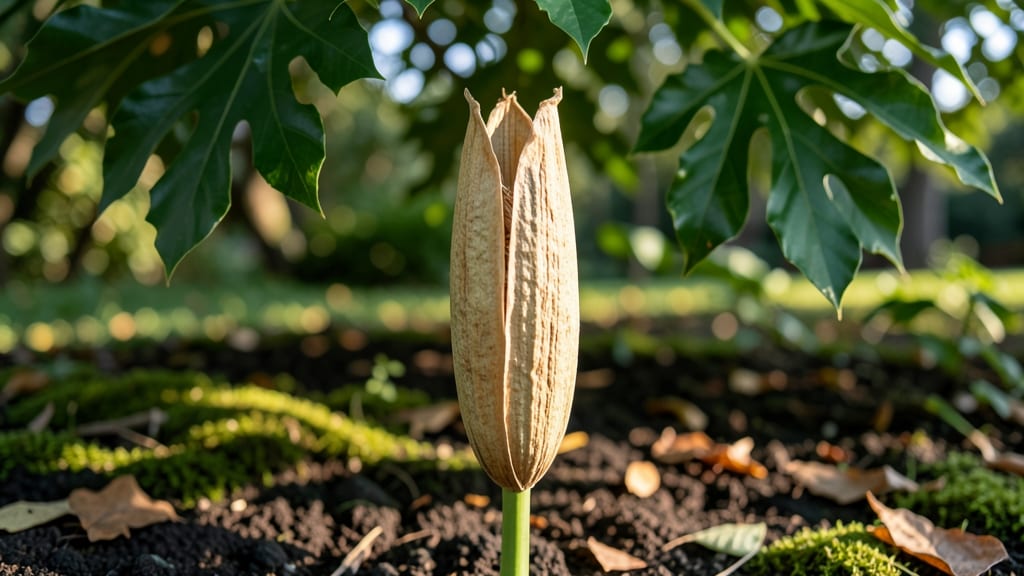
Those tulip tree seed pods twist open to reveal winged seeds that feel like nature’s own treasure chest. 🌿 I’ve collected hundreds over the years, and there’s nothing quite like watching those seeds sprout into towering shade trees. The key?
Timing—wait until the pods turn brown and split naturally, usually in late summer or early fall. You’ll need just a few supplies: gloves for handling the pods (they’re sticky!), a bucket for collecting seeds, and a damp paper towel for the germination test.
The process is simple, but getting the seeds to sprout takes patience—some need cold stratification to break dormancy, just like their wild counterparts. Once planted, those first leaves unfurl with a shockingly lush green that brightens any shady corner.
Saplings grow fast, but they need space—think 30 to 40 feet at maturity. The real reward? A tree that thrives with almost no care once established. Perfect for gardeners who love low-maintenance shade trees or want to grow a native giant.
Here’s how to turn those pods into a future forest—without the fuss.
📚 In This Guide
- What you need
- Instructions
- Tips and common mistakes
- Wrapping up and next steps
What you need
- ● Mature tulip tree seed pods: 5–10 fully dried pods (harvested in late fall/winter when they’re brown and papery).
- ● Pruning shears or sharp scissors: For safely cutting pods from the tree (sterilize blades with rubbing alcohol).
- ● Newspaper or cardboard: A large sheet (24" x 36") to lay pods out for drying.
- ● Paper bags or breathable mesh bags: 2–3 bags (8" x 10") for storing seeds.
- ● Labeling tags & permanent marker: To track seed varieties and harvest dates.
- ○ Gloves (optional but recommended): Protects hands from sap and tiny seed fibers.
- ● Seed tray or shallow container: For germinating seeds indoors (if starting early).
- ● Fine-mesh strainer: To separate seeds from chaff if pods are overly fibrous.
- ● Humidity dome or plastic wrap: For creating a mini greenhouse effect during germination.
- ● Notebook or app: To log seed viability, planting dates, and growth progress.
How to extract and save tulip tree seeds naturally
Tulip trees release their seeds in a unique twist-and-pop method—here's how to harness that for easy seed saving.
🌱 Step 1: Locate and Harvest Mature Seed Pods
Wait until the seed pods turn tan-brown and begin to split open naturally, usually in late fall or early winter. The pods should feel dry and papery to the touch—if they're still green, they're not ready. Gently shake the tree to release any pods already ready to drop, or harvest them by hand when they're fully mature.
Collect pods when they're completely dry but before they've released all their seeds. You'll know they're perfect for harvesting when you can hear the seeds rattling inside. Place them in a paper bag (not plastic) to catch any seeds that release during transport. I like to harvest on a dry, sunny day so the pods stay crisp and ready for processing.
🪴 Step 2: Prepare for the Twist-and-Release Method
Find a sturdy, flat surface like a table or cutting board. Hold the pod firmly with one hand while using your other hand to gently twist the top section. The pod should naturally separate into two halves with a slight popping sound—this is the "twist-release" mechanism at work. If it doesn't open easily, let it dry for another day or two in a warm, dry place.
Once opened, you'll see the winged seeds inside. These seeds are designed to float away in the wind, so handle them carefully to prevent loss. I recommend working outdoors or over a clean surface to catch any seeds that might escape during handling. The seeds should feel light and papery—if they're heavy or damp, they won't store well.
☀️ Step 3: Dry and Store the Seeds Properly
Spread the extracted seeds on a paper towel in a single layer and place them in a warm, dry location with good air circulation for 1-2 weeks. This drying process is crucial—seeds stored with any moisture will quickly develop mold. Check them daily to ensure they're not sticking together or showing signs of dampness.
Once completely dry, transfer the seeds to a paper envelope or glass jar with a tight-sealing lid. Label the container with the harvest date and store it in a cool, dark place like a pantry or seed storage box. Tulip tree seeds can remain viable for 2-3 years when stored properly, though germination rates improve when planted fresh.
⏰ Step 4: Plant the Seeds at the Right Time
Tulip tree seeds need cold stratification to germinate, so plant them outdoors in late fall or early winter for natural stratification. Scatter the seeds on prepared soil in a sunny location with well-draining soil. Press them lightly into the soil—don't cover them with more than ¼ inch of dirt, as they need light to germinate. Water the area gently to settle the soil around the seeds.
If you can't plant them immediately, place the seeds in a plastic bag with a moist paper towel and store them in the refrigerator for 3-4 months to mimic winter conditions. This stratification period is essential—skipping it will result in poor or delayed germination. After stratification, plant the seeds outdoors in early spring when the soil has warmed slightly.
💧 Step 5: Care for Seedlings Until Transplanting
Keep the soil consistently moist but not soggy until the seedlings emerge, which typically takes 2-4 weeks. Once the seedlings appear, thin them to 6-8 inches apart to give them room to grow. Tulip tree seedlings are sensitive to transplant shock, so avoid moving them until they have 4-6 true leaves and are at least 6 inches tall.
Young tulip trees grow quickly but need full sun and well-draining soil to thrive. Water deeply once a week during the first growing season, allowing the soil to dry slightly between waterings. Mulch around the base of the seedlings with 2-3 inches of organic mulch to retain moisture and suppress weeds. With proper care, your seedlings will establish strong root systems ready for long-term growth.
Tips & tricks for perfect tulip tree seed extraction
Mastering the twist-release method takes practice, but these insights will help you save every seed.
Harvest Timing: The pods are ready when they're tan-brown and rattle with seeds inside. I've learned the hard way that harvesting too early (when pods are still green) means no seeds, while waiting too long means they'll release naturally. Aim for that perfect moment when they're dry but still intact—this usually happens in late fall when temperatures drop. A gentle shake test is your best friend: if seeds jingle inside, they're ready.
Twist Technique: The key to opening pods without losing seeds is patience and a steady hand. Place the pod on a flat surface and twist the top section slowly—think of it like opening a stubborn jar. If the pod resists, let it dry another day or two in a warm spot. I've found that working outdoors on a breezy day helps catch any seeds that might escape during the process. And here's a pro move: use a paper towel underneath to catch any stray seeds that pop out unexpectedly.
Drying Strategy: Spread those extracted seeds on a paper towel in a single layer and place them where they'll get good airflow—like a sunny windowsill or a well-ventilated shelf. The 1-2 week drying period is crucial, but don't rush it. Check daily to make sure they're not sticking together or developing moisture spots. I've seen seeds go bad in just 24 hours if left in damp conditions, so this step can't be skipped. Once completely dry, they'll feel light as feathers and be ready for storage.
Storage Wisdom: Tulip tree seeds can last 2-3 years when stored properly, but the secret is in the details. Use a paper envelope or glass jar with a tight seal to keep moisture out. Label everything with the harvest date—this helps track viability. Store in a cool, dark pantry where temperatures stay consistent. I've had great success with glass jars because they let me see the seeds and check for any moisture over time. And remember, the cooler and darker the storage spot, the longer your seeds will stay viable.
Pro Tips for Tulip Tree Seed Pod
- Mastering the twist-release method takes practice, but these insights will help you save every seed.
- Harvest Timing: The pods are ready when they're tan-brown and rattle with seeds inside.
- Twist Technique: The key to opening pods without losing seeds is patience and a steady hand.
Frequently asked questions
Got questions about tulip tree seed pods?
You’re not alone! Here are answers to the most common queries—from harvesting to troubleshooting—so you can master seed saving with ease.
When is the best time to harvest tulip tree seed pods?
Harvest pods when they turn brown and papery (late summer to early fall), but before they split open. If you wait too long, seeds scatter on the ground—making collection messy! Aim for September–October in most climates. Pro tip: Shake a pod over a bucket; if seeds rattle inside, it’s ready!
How do I know if a tulip tree seed pod is viable?
Viable pods are plump, dry, and sealed shut (no cracks or mold). Split one open: healthy seeds are flat, brown, and winged. Discard pods with holes, soft spots, or weevil damage. Test-float seeds in water—viable ones sink!
Can I plant tulip tree seeds directly from the pod?
Yes! No stratification needed—just sow seeds outdoors in fall or stratify for 30 days in a damp paper towel (fridge) if planting in spring. Press seeds 1/4-inch deep in well-draining soil. Germination takes 2–4 weeks in warm conditions.
Why won’t my tulip tree seed pods open naturally?
Pods may stay closed if too wet or immature. Try these fixes:
- Dry them indoors (1–2 weeks in a paper bag with airflow).
- Gently tap pods against a hard surface to encourage splitting.
- Check for pests (like weevils)—treat with neem oil if needed.
Are there alternatives to tulip tree seeds for shade trees?
Try these easy-to-grow shade tree seeds:
Tree Type
Seed Source
Key Difference
Eastern Redbud
Dry pods (spring)
Fast-growing, spring blooms.
Hackberry
Berries (fall)
Tolerates urban pollution.
Black Walnut
Green husks (late summer)
Slow but drought-resistant.
Tulip trees are faster-growing but need more space—redbuds are perfect for small yards!
Wrapping up and next steps
The tulip tree seed pod is nature’s ingenious way to simplify seed saving—no fuss, just pure, organic efficiency! 🌱 Whether you’re a gardening novice or a seasoned green thumb, harnessing these pods lets you propagate your favorite trees with minimal effort.
Now that you’re equipped with the how-tos and FAQs, there’s no better time to give it a try.
Ready to plant your future forest? Start by spotting a mature tulip tree in your area, collect those pods, and let nature do the rest. Happy growing—your backyard (or landscape) will thank you! 🌳✨