
Propagation
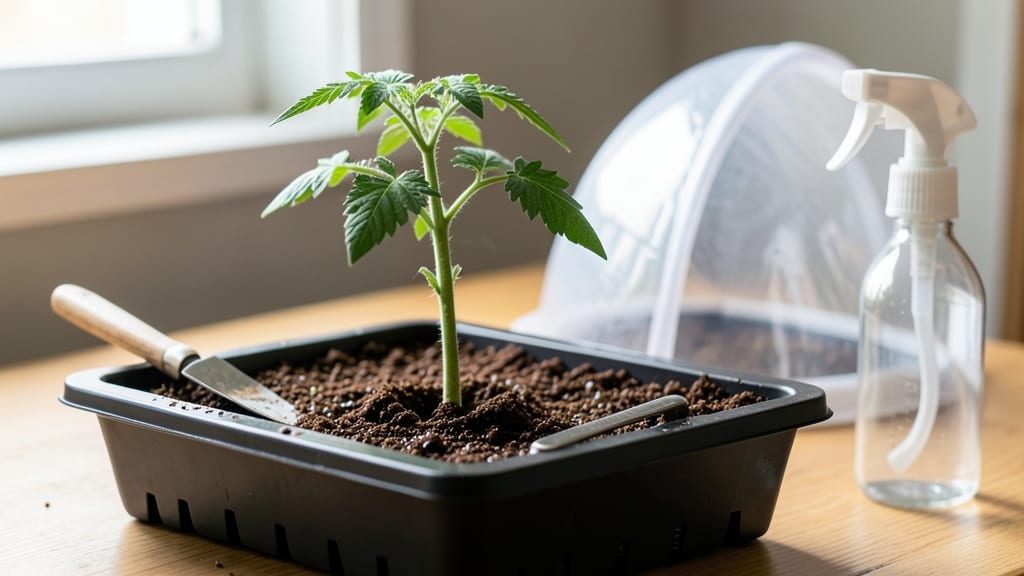
Fast tomato seed germination starts with the right warmth and moisture balance—no more waiting weeks for stubborn sprouts. 🌱 I’ve learned that a simple setup with a heat mat and damp paper towels can cut germination time from three weeks to just 5-7 days, and here’s exactly how to do it without fancy equipment.
The secret isn’t complicated: keep seeds in 75-85°F soil, maintain consistent moisture (not soggy), and avoid direct light until the first true leaves appear. Most people overwater or let the soil dry out, which triggers mold or slow starts.
A clear plastic dome or ziplock bag creates the perfect humidity cocoon while you wait. Once those first green hooks break through the soil, you’ll see strong, stocky seedlings ready for transplanting in weeks—not the leggy, weak stems that come from cold starts.
The key is patience during the waiting period and precision with moisture. This method works for heirlooms, hybrids, and cherry tomatoes alike. Here’s how to troubleshoot if things go wrong—because even the best-laid plans sometimes need a little adjusting.
📚 In This Guide
- What you need
- Instructions
- Tips and common mistakes
- Wrapping up and next steps
What you need
- ● Tomato seeds: Fresh, high-quality heirloom or hybrid seeds (1–2 tbsp per batch). Pro tip: 💡 Store-bought seeds are fine, but saved seeds from ripe tomatoes work too!
- ● Seed-starting mix: Lightweight, sterile potting soil (1–2 cups per container). Avoid garden soil—it’s too dense!
- ● Containers: Seed trays with drainage (6–12 cell packs) or
- ● Small pots (3–4 inches wide) or Even recycled containers (yogurt cups, egg cartons) with drainage holes.
- ● Water: Room-temperature, distilled, or filtered water (1–2 tbsp per container). Tap water left out overnight works too!
- ● Spray bottle: 8–16 oz with a fine mist nozzle (for gentle hydration).
- ● Plastic wrap or dome: Clear plastic wrap, a humidity dome, or a ziplock bag (to retain moisture).
- ● Heat mat: Germination mat set to 70–85°F (21–29°C) for faster sprouting.
- ● Grow lights: LED or fluorescent lights (12–16 hours/day) for post-germination growth.
- ● Thermometer: Small soil thermometer to monitor warmth.
- ● Fertilizer: Mild, water-soluble starter fertilizer (diluted to half-strength).
- ● Labels & markers: To track seed varieties and planting dates.
Step-by-step instructions for germinating tomato seeds quickly
Here's how to coax those stubborn tomato seeds into sprouting in record time.
🌱 Step 1: Soak Seeds Overnight for Faster Germination
Place your tomato seeds in a small bowl and cover them with lukewarm water for 12 hours. The reason we soak first is that tomato seeds have a tough outer coating that slows germination. A good soak softens it considerably, so you'll see faster sprouting in just a few days instead of a week or more.
After 12 hours, drain the water and let the seeds rest on a paper towel for 10 minutes. This prevents them from drying out too quickly when you plant them. You'll know they're ready when they look plump and slightly swollen—this means they're absorbing moisture and preparing to sprout.
💧 Step 2: Plant in Warm, Moist Seed Starting Mix
Fill your seed starting containers with the seed-starting mix and moisten it until it feels like a damp sponge—you should be able to squeeze it gently and have it hold its shape without dripping. Press the mix down lightly to remove air pockets, then create small holes about ¼ inch deep using your finger or a pencil.
Drop one soaked seed into each hole and cover it with a thin layer of the same mix. Gently pat the soil down to secure the seed in place. Don't press too hard, or you'll compact the soil and slow down germination. The goal is to keep the seed snug but not buried too deep.
☀️ Step 3: Provide Warmth and Humidity for Germination
Place the containers in a warm spot where the soil stays between 75-85°F. A seedling heat mat set to 80°F works wonders—it keeps the soil consistently warm, which is critical for tomatoes. Without this warmth, germination can take twice as long or fail entirely.
Cover the containers with a clear plastic dome or plastic wrap to trap humidity. Check daily for condensation on the inside of the cover—this is your sign that moisture levels are perfect. Once you see the first green sprouts peeking through the soil, remove the cover immediately to prevent damping-off, a fungal disease that can kill seedlings overnight.
⏰ Step 4: Monitor Moisture and Light After Sprouting
As soon as the first true leaves appear (not the initial seed leaves), move the seedlings to a bright location with 14-16 hours of light daily. A south-facing window or a grow light works best. Without enough light, seedlings stretch toward the light source, becoming weak and leggy—this is a common mistake that sets them back.
Water the seedlings from the bottom by placing the containers in a shallow tray of water for 10-15 minutes. This encourages roots to grow downward and prevents soil-borne diseases. Keep the soil consistently moist but never soggy—you'll know it's time to water again when the top inch of soil feels dry to the touch.
Tips & tricks for fast tomato seed sprouting
Took me a while to figure these out, so here goes—small tweaks that'll get your tomato seeds sprouting in days instead of weeks.
Soak Smart: The 12-hour soak in lukewarm water is non-negotiable for breaking tomato seeds' tough outer shell. I've tried cold water, and it takes twice as long to soften those coats. After draining, that 10-minute rest on a paper towel is crucial—it prevents the seeds from drying out when you handle them. Pro tip: Use a damp paper towel, not dry, to keep them hydrated during this transition.
Planting Precision: That ¼-inch depth for planting isn't arbitrary—it's the Goldilocks zone for tomato seeds. Too shallow and they dry out; too deep and they struggle to push through the soil. I use a pencil to make the holes, then gently press the mix around each seed to eliminate air pockets. Think of it like tucking seeds into a cozy blanket rather than burying them.
Heat Hack: The 75-85°F range isn't just a suggestion—it's the sweet spot for tomato germination. I've used a seedling heat mat set to 80°F, but even a sunny windowsill can work if you're patient. Here's my trick: Place the containers on top of your fridge (not inside) for consistent warmth without overheating. The key is maintaining that range 24/7 until sprouts appear.
Light Transition: When those first true leaves appear, don't rush to move them to full light—gradually increase exposure over 2-3 days. I start with 2 hours of direct light, then add more each day. This prevents the classic "leggy seedlings" problem where they stretch desperately toward any light source. A south-facing window gives the best natural spectrum, but grow lights work too if you have limited sunlight.
Pro Tips for Tomato Seed Germination
- Took me a while to figure these out, so here goes—small tweaks that'll get your tomato seeds sprouting in days instead of weeks.
- Soak Smart: The 12-hour soak in lukewarm water is non-negotiable for breaking tomato seeds' tough outer shell.
- Planting Precision: That ¼-inch depth for planting isn't arbitrary—it's the Goldilocks zone for tomato seeds.
Frequently asked questions
Got questions about getting those tiny tomato seeds to sprout like a pro? Here are some of the most common ones—and their answers—to help you avoid pitfalls and grow a thriving tomato harvest!
How long does it take for tomato seeds to germinate?
Most tomato seeds sprout within 5–14 days when kept in warm (70–85°F), moist conditions. Heirloom or older seeds may take slightly longer. If you’ve waited 2 weeks with no sprouts, it’s time to troubleshoot—see the next question!
Why aren’t my tomato seeds sprouting?
Common culprits include cold soil (use a heat mat!), dry seed mix (keep it damp like a wrung-out sponge), or old seeds (test viability with a saltwater float test). Also check for mold—if present, toss the batch and sterilize your tray.
Can I speed up germination with light?
Nope! Tomato seeds don’t need light to sprout—they’ll germinate fine in darkness. Once they’ve sprouted (1–2 inches tall), move them to a sunny spot or under grow lights. Overhead light too soon can weaken seedlings.
What’s the best way to store leftover tomato seeds?
Clean, dry seeds last 2–4 years if stored in a cool, dark, airtight container (like a sealed envelope or jar). Add a damp paper towel to prevent cracking, then refrigerate. Label them with the variety and date!
Can I use kitchen scraps (like tomato cores) to grow seeds?
Yes! Scoop out the jelly-like gel from the center of a ripe tomato, rinse the seeds, and let them ferment in water for 2–3 days to remove the gel. Then dry them on a paper towel before planting. Hybrid tomatoes may not produce true-to-type seeds, though!
Wrapping up and next steps
Mastering tomato seed germination is all about patience, warmth, and a little moisture magic! 🌱 With the right setup—like cozy seedling trays, consistent humidity, and gentle light—you’ll soon watch tiny sprouts burst through the soil.
Now that you’re armed with these tips, it’s time to get growing! Start with a few seeds, track your progress, and soon you’ll be harvesting homegrown tomatoes faster than you thought possible.
🚀 Ready to Grow?
Your next step? Plant those seeds! Follow your germination timeline, and before you know it, you’ll be transplanting sturdy seedlings into your garden or containers. Happy gardening—your future tomatoes are waiting! 🍅✨