
Lawn
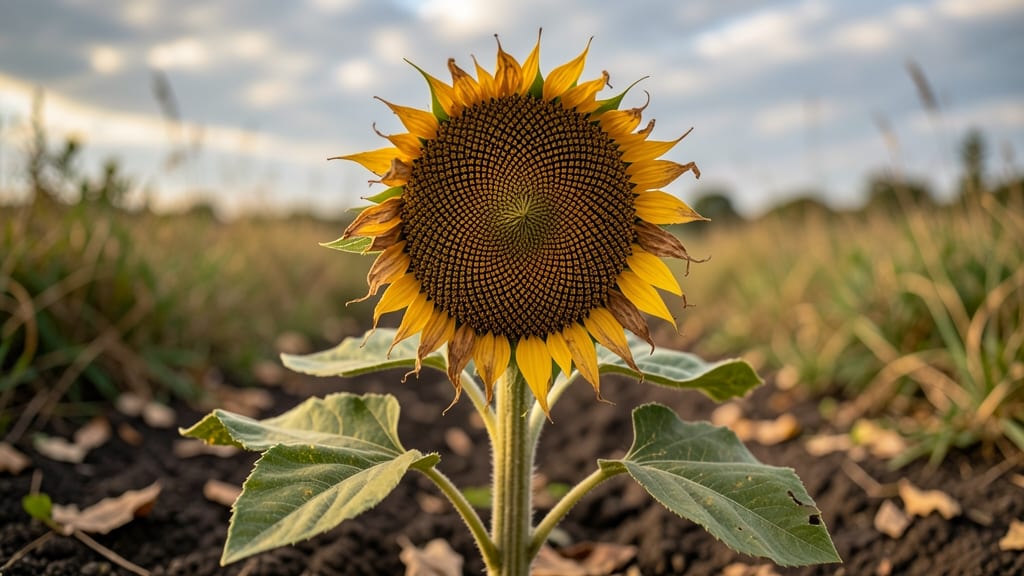
Harvesting sunflower seed heads at their peak gives you seeds for next year's garden—and zero guesswork. 🌻 The key is watching for the right moment: when the back of the seed head turns completely brown, the petals have dried and fallen, and the seeds rattle inside like a tiny drum.
Miss this window, and you risk losing seeds to birds or rot.
You'll need just three things: sharp pruners, a clean bucket, and a dry spot with good airflow. Cut the stem about 6 inches below the seed head, then hang it upside down in a dark, dry place like a garage or basement.
Within 2-3 weeks, the seeds will be fully dry and ready to store—no fancy equipment needed.
Once dry, rub the seed head between your hands to release the seeds, then store them in a paper bag or airtight container. These seeds stay viable for 2-3 years if kept cool and dry, meaning you can replant your favorite varieties season after season without buying new ones.
Pro tip: Save a few seed heads for winter bird feeders by leaving them on the stems and hanging them outside. The birds will love the easy snack, and you'll get to enjoy watching them up close all season long.
📚 In This Guide
- What you need
- Instructions
- Tips and common mistakes
- Wrapping up and next steps
What you need
- ● Mature sunflower plants – Choose fully bloomed heads with brown, dry petals (🌻🌻🌻). Aim for at least 5–10 plants for a worthwhile harvest.
- ● Pruning shears or sharp scissors – Heavy-duty tools to cleanly cut stems 2–3 inches below the seed head.
- ● Large cardboard boxes or breathable burlap sacks – 2–3 containers (12"x12" or larger) to collect and dry seed heads.
- ● Newspaper or brown paper bags – For individual seed head drying (1 per head).
- ● Rubber bands or twine – To secure seed heads in bags and prevent premature seed loss.
- ● Fine-mesh sieve or colander – For separating seeds from chaff during processing.
- ● Paper towels or clean cloth – To wipe down seed heads before storage.
- ● Harvesting gloves – Protect your hands from prickly stems and seeds.
- ● Food-safe spray bottle – Lightly mist seed heads to deter pests during drying.
- ● Labeling tags & permanent marker – Mark seed heads by variety or harvest date if storing long-term.
- ● Small fan or dehumidifier – Speeds up drying in humid climates.
- ● Air-tight glass jars or vacuum-sealed bags – For extended storage (beyond 6 months).
Step-by-Step guide to harvesting sunflower seed heads
Here’s the simple, foolproof method I’ve used for years to collect seeds that stay fresh through winter.
🌱 Step 1: Choose the Right Time to Harvest
Wait until the sunflower blooms have fully dried on the plant. You’ll know they’re ready when the petals fall off naturally and the back of the seed head turns brown. Don’t rush—harvesting too early means seeds won’t be fully mature and won’t store well. A good rule of thumb is to wait until the seed heads feel dry and papery to the touch.
I like to harvest on a dry, sunny morning. This ensures the seed heads are fully dehydrated and less likely to develop mold. Cut the stems with clean shears about 6 inches below the seed head. This extra length helps you hang them for drying without damaging the stems.
☀️ Step 2: Dry the Seed Heads Properly
Hang the cut sunflower seed heads upside down in a dry, well-ventilated area. A garage, shed, or even a covered porch works well as long as it’s out of direct sunlight. The goal is to let air circulate around the seed heads so they dry evenly. This usually takes about 1-2 weeks, depending on your climate.
Check them daily. If you notice any dampness or mold starting, move them to a drier spot immediately. Once the seeds rattle inside the head when shaken, they’re fully dry and ready for processing. This is your cue that the seeds are ready for storage.
✂️ Step 3: Remove and Clean the Seeds
Once the seed heads are completely dry, lay them on a clean towel or large sheet of paper. Gently rub your hands over the seed head to dislodge the seeds. You’ll see the seeds fall out easily—this is the fun part! I like to do this outside or over a large tray to make cleanup easier.
Remove any remaining chaff or debris by sifting the seeds through a fine-mesh strainer or colander. Discard any seeds that look shriveled, discolored, or damaged. Store only the plump, healthy-looking seeds—they’re the ones that’ll stay viable for planting next year.
🪴 Step 4: Store Seeds for Year-Round Use
Place the clean, dry seeds in an airtight container. I use small glass jars with tight-fitting lids, but paper envelopes or sealed plastic bags work too. Label each container with the sunflower variety and the harvest date. This helps you keep track of how old the seeds are.
Store the seeds in a cool, dark place like a pantry or fridge. Seeds stored this way can remain viable for 1-2 years, though germination rates drop slightly over time. Check them annually—if they still feel dry and smell fresh, they’re ready to plant.
Tips & tricks for perfect sunflower seed harvesting
Here's what nobody tells you about getting the most out of your sunflower seeds—no more wasted harvests!
Timing is Everything: The most critical step is waiting for that perfect dryness in Step 1. I learned this the hard way after storing seeds that sprouted unevenly. Look for petals that fall off naturally and a brown, papery back—this means the seeds are fully mature. If you harvest too early, the seeds won't store well and may not germinate properly next year.
Drying Strategy: During the 1-2 week drying period in Step 2, don't skip the daily checks. I hang mine in my garage with a small fan blowing gently nearby—this creates airflow without direct sunlight. If you notice any dampness or mold starting, move them immediately to a warmer, drier spot. The key is that "rattle test" when you shake them—the seeds should sound like maracas inside the head.
Cleanup Made Easy: For Step 3, lay down a large sheet of newspaper or butcher paper instead of a towel. It's easier to shake off debris and the seeds won't stick to fabric fibers. I also use a fine-mesh strainer with a deep bowl to catch even the smallest seeds. This prevents losing good seeds during cleanup and makes the process much faster.
Storage Wisdom: When storing your seeds in Step 4, don't just use any container. I've found that glass jars with rubber seals work best—they keep out moisture better than plastic. Add a small packet of silica gel to the container if you're storing them for more than a year. This extra step can extend viability by several months, especially in humid climates.
Pro Tips for Sunflower Seed Head
- Here's what nobody tells you about getting the most out of your sunflower seeds—no more wasted harvests!
- Timing is Everything: The most critical step is waiting for that perfect dryness in Step 1.
- Drying Strategy: During the 1-2 week drying period in Step 2, don't skip the daily checks.
Frequently asked questions
Got questions about harvesting and storing sunflower seed heads?
You’re not alone! Here are answers to the most common queries to help you master the process like a pro.
When is the best time to harvest sunflower seed heads?
The ideal time is when the back of the seed head turns yellow and the petals droop or fall off—usually 30–50 days after flowering. Harvest on a dry day to prevent mold. If birds are a problem, cover the heads with netting once they’re mature but still green.
How long can I store sunflower seed heads before they go bad?
With proper drying and storage, sunflower seed heads stay viable for 1–2 years in a cool, dark, and dry place (like a sealed container or paper bag). Check for moisture or pests regularly—discard any that smell musty or feel damp.
What if my seed heads attract pests like birds or squirrels?
Prevent wildlife from feasting by harvesting early (before seeds fully ripen) or using bird netting over the heads. For squirrels, try hanging heads upside down or placing them in a mesh bag. A quick fix: harvest seeds when they’re still green and dry them indoors.
Do I need to dry sunflower seed heads before storing them?
Absolutely!
Spread heads in a single layer on a tray or hang them upside down in a warm, dry spot (like a garage) for 1–2 weeks. Seeds are ready when the outer shell cracks easily and the kernel feels firm. Skip this step, and you risk mold or spoilage.
Can I grow sunflowers just for seed heads, or do I need to plant for flowers too?
You can grow sunflowers solely for seed heads by choosing compact varieties (like ‘Moulin Rouge’ or ‘Russian Giant’) and spacing plants 12–18 inches apart. Skip the deadheading—let the flowers bloom and seed naturally! Just ensure you plant enough to account for birds and weather losses.
Wrapping up and next steps
The sunflower seed head isn’t just a seasonal delight—it’s a year-round treasure waiting to be harvested with ease! From selecting the right tools to mastering storage techniques, you now have everything needed to turn your garden’s bounty into long-lasting nutrition. 🌻✨
Ready to put your new skills to work? Start by identifying ripe seed heads in your garden this week, and soon you’ll be enjoying homemade sunflower seeds (or birdseed!) all year. Happy harvesting!