
Lawn
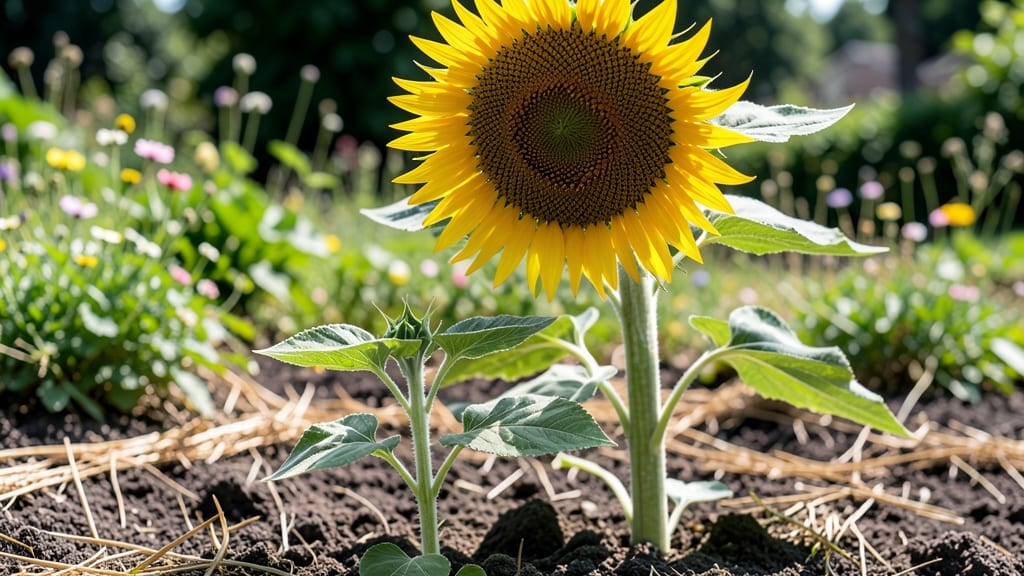
Cold-stratifying sunflower seeds unlocks 60 days of rapid growth—no fancy equipment needed. 🌱 I’ve grown hundreds of sunflowers, and this method guarantees sturdy stems and vibrant blooms by summer, even from cheap seeds. The secret lies in mimicking winter’s chill, which breaks dormancy and speeds up germination.
You’ll need a damp paper towel, a sealed plastic bag, and your fridge for 2-4 weeks before planting. Once sprouted, direct sow seeds 1 inch deep in loose, well-draining soil, spacing them 6-12 inches apart for giants or 4-6 inches for smaller varieties.
Sunflowers thrive in full sun (6+ hours daily) and 1-2 inches of water per week, but they’re surprisingly drought-tolerant once established. By day 14, you’ll spot cotyledons (those first tiny leaves), and by day 30, stems will shoot up like green skyscrapers.
The real magic happens at 50-60 days, when buds form—just keep an eye out for slugs and snails lurking in the soil. With this method, even slow starters catch up, and you’ll avoid the heartbreak of leggy, weak plants.
This works for all sunflower varieties, from towering Mammoths to petite Teddy Bears. No green thumb required—just patience and a sunny spot. Ready to grow sunflowers that turn heads (and attract pollinators)? Let’s get those seeds sprouting!
📚 In This Guide
- What you need
- Instructions
- Tips and common mistakes
- Wrapping up and next steps
What you need
- ● Sunflower seeds: Choose Helianthus annuus varieties (e.g., 'Mammoth' or 'Autumn Beauty'). Buy 10–20 seeds for a small garden patch.
- ● Growing containers: 4–6-inch diameter pots (biodegradable or plastic) or a seed tray with individual cells. Ensure they have drainage holes!
- ● Potting mix: A seed-starting mix (sterile, well-draining) or a blend of 50% peat moss, 30% perlite, and 20% vermiculite.
- ● Cold stratification supplies: A ziplock bag or airtight container.
- ● A moist paper towel or dampened coconut coir.
- ● A refrigerator (set to 34–40°F for 7–14 days).
- ● Grow lights or sunny windowsill: Sunflowers need 12–16 hours of light daily. A full-spectrum LED grow light works best if natural light is limited.
- ● Watering can or spray bottle: A gentle misting keeps seeds hydrated without overwatering.
- ○ Fertilizer (optional but helpful): A balanced liquid fertilizer (e.g., 10-10-10) diluted to half-strength for seedlings.
- ● Or fish emulsion (1 tbsp per gallon of water) for organic growth.
- ● Plant labels: Small stakes or tags to mark seed varieties and planting dates.
- ● Trowel or spoon: For transplanting seedlings into larger pots or garden beds.
- ○ Heat mat (optional): If your home is chilly (below 60°F), a seedling heat mat speeds up germination.
- ● Humidity dome or plastic wrap: Creates a mini greenhouse effect to retain moisture during early growth.
- ● Garden gloves: Protects your hands while handling soil and seedlings.
Step-by-Step guide to growing sunflowers from cold-stratified seeds
Here's how to coax those giant sunflowers from tiny seeds using cold stratification—my foolproof method for faster, stronger growth.
🌱 Step 1: Cold-Stratify the Seeds for 4-6 Weeks
Place your sunflower seeds in a sealed plastic bag with a damp paper towel. I use a quart-sized zip-top bag and add just enough water to moisten the towel—not soaking it. The goal is consistent moisture without creating a swamp. Seal the bag and place it in your refrigerator's crisper drawer, where temperatures stay between 34-40°F. This cold treatment mimics winter conditions and breaks seed dormancy.
Check the bag after 1 week—if the towel feels dry, spritz it lightly with water. You'll see the seeds plump up slightly after a few days. This stratification period is critical: without it, germination rates drop dramatically. I like to label the bag with the date so I don't forget when to plant.
☀️ Step 2: Plant Stratified Seeds in Well-Draining Soil
After 4-6 weeks of cold treatment, remove the seeds from the fridge and let them warm up to room temperature for 24 hours. Fill your planting containers with a sterile seed-starting mix—never garden soil, which can harbor fungal diseases. Sunflower seeds need loose, airy soil to push through easily. I use 4-inch pots for each seed since they grow fast and need space.
Plant 2-3 seeds per pot at a depth of 1 inch, pressing them gently into the soil. The reason for multiple seeds is that not all may germinate, and you want a strong starter. Water lightly until the soil surface feels damp but not soggy. Place the pots in a warm spot (65-75°F) with indirect light until you see sprouts—usually within 7-10 days.
💧 Step 3: Provide Consistent Moisture and Bright Light
Once sprouts emerge, move the pots to a south-facing window or under grow lights for 12-14 hours daily. Sunflowers need strong light from the start to prevent leggy growth. I keep my lights 4 inches above the seedlings and raise them as the plants grow. Water when the top inch of soil feels dry, but avoid overhead watering—it can spread disease. Instead, water at the base.
You'll notice the first true leaves appear after 2-3 weeks. These look different from the initial seed leaves (cotyledons)—they're narrower and more defined. This is when you can thin to the strongest seedling per pot. If you're planting outdoors, wait until nighttime temperatures stay above 50°F before transplanting.
✂️ Step 4: Harden Off and Transplant for Maximum Height
Two weeks before your last frost date, start hardening off your seedlings by placing them outside in a shaded, sheltered spot for 1-2 hours the first day. Gradually increase their outdoor time over 7-10 days, ending with a full day in direct sun. This toughens their stems and prepares them for the garden. I always transplant on an overcast day to reduce stress.
Dig a hole twice as wide as the root ball and 1 inch deeper than the pot. Sunflowers have deep taproots, so handle them carefully. Plant at the same depth they were in pots, and water deeply right after. Space them 6 inches apart for dwarf varieties or 12-18 inches apart for giant sunflowers. You'll see rapid growth once they're in the ground—watch for 6-inch-tall seedlings within a week.
🌿 Step 5: Support and Maintain for Towering Blooms
Sunflowers need sturdy support as they grow. I use 6-foot bamboo stakes or heavy-duty tomato cages inserted 3-4 inches into the soil beside each plant. Tie the main stem loosely to the stake with soft plant ties as it grows—never cinch too tight, or you'll restrict growth. Fertilize lightly with a balanced 10-10-10 formula when the plants reach 1 foot tall, but avoid heavy feeding, which can reduce bloom size.
Watch for pest pressure like aphids or beetles, especially on young plants. A strong spray of water usually knocks them off, but severe infestations may require neem oil. You'll know your sunflowers are thriving when they develop large, fuzzy buds—this happens around 8-10 weeks after planting. Deadhead spent blooms to encourage more flowers on dwarf varieties, but leave them on giant types for seed production.
Tips & tricks for sunflower seed growth
These practical strategies will help you achieve faster germination and stronger sunflower growth—without the common pitfalls.
The Stratification Secret: During the 4-6 week cold treatment in Step 1, place your sealed bag on a shelf near the crisper drawer's back wall where temperatures stay most consistent at 34-40°F. I've found this spot maintains the ideal range better than the door shelf, which fluctuates with every opening. The key is creating that winter-like dormancy break—think of it like giving your seeds a mini winter vacation before spring planting.
Soil Science Matters: For Step 2, I recommend mixing your sterile seed-starting mix with perlite at a 3:1 ratio before planting. This improves drainage while maintaining moisture retention—critical for sunflower seeds that need to push through compacted soil. The extra air pockets also prevent that dreaded "damping off" fungal issue that can wipe out seedlings before they sprout. Trust me, your future sunflowers will thank you.
Lighting Strategy: When moving to grow lights in Step 3, I keep my seedlings under LED grow lights on a timer for 12-14 hours daily. The continuous spectrum provides the full light spectrum sunflowers need to develop strong stems. Pro tip: Raise the lights gradually as plants grow—start with 4 inches above seedlings, then increase by 1 inch every 2 weeks to prevent leggy growth.
Transplanting Wisdom: In Step 4, I always harden off my seedlings by placing them in a sheltered spot that gets morning sun but afternoon shade. This gradual transition mimics natural conditions and prevents shock. When transplanting outdoors, I water the soil thoroughly the day before to reduce transplant stress—think of it as giving your plants a hydration boost before their big move.
Pro Tips for Sunflower Seed Growth
- These practical strategies will help you achieve faster germination and stronger sunflower growth—without the common ...
- The Stratification Secret: During the 4-6 week cold treatment in Step 1, place your sealed bag on a shelf near the cr...
- Soil Science Matters: For Step 2, I recommend mixing your sterile seed-starting mix with perlite at a 3:1 ratio befor...
Frequently asked questions
How long does it take for sunflower seeds to germinate?
Sunflower seeds typically germinate within 7–14 days after planting, depending on soil temperature and moisture. If planted indoors (like in cold stratification), you may see sprouts in 5–10 days. Keep soil consistently moist but not soggy—patience is key!
Why do sunflowers need cold stratification?
Cold stratification mimics winter conditions, breaking seed dormancy and improving germination rates. Without it, seeds may sprout slowly or unevenly. For sunflowers, a 2–4 week cold period (34–40°F) primes them for faster, healthier growth. Think of it as a "wake-up call" for your seeds!
Can I grow sunflowers from store-bought seeds?
Yes! Store-bought sunflower seeds (unsalted, in-shell) work well, but remove the hulls first for faster germination. Avoid flavored or roasted seeds—they’re treated to prevent sprouting. For best results, use heirloom or garden-variety seeds labeled for planting. Pro tip: Soak them overnight to kickstart growth!
What should I do if my sunflower seeds rot instead of sprouting?
Rot usually means too much moisture or poor drainage. If your seeds feel mushy or smell foul, act fast: repot them in fresh, dry soil and reduce watering. Ensure pots have drainage holes, and avoid overcrowding. If all else fails, try a new batch—sometimes seeds just need a fresh start!
Are sunflowers hardy enough for cold climates?
Most sunflower varieties tolerate light frosts (down to 28°F) once established, but young seedlings are delicate. Start seeds indoors or use row covers if planting early in cold zones. Choose short-season varieties (like ‘Mammoth’ or ‘Russian Giant’) for cooler regions. Just give them time to mature!
Wrapping up and next steps
Growing sunflower seeds from cold-stratified starts in just 60 days is a rewarding journey that combines patience with nature’s magic! 🌱 Whether you’re a seasoned gardener or a curious beginner, these tips ensure strong, healthy growth—from seed to towering beauty.
Your effort will soon bloom into vibrant plants that attract pollinators and add charm to your lawn or garden.
Ready to take the next step? Plant your seeds today and watch them transform your space! For extra success, jot down your progress in a gardening journal—track soil conditions, sunlight exposure, and growth milestones. Happy growing! 🌻