
Planting
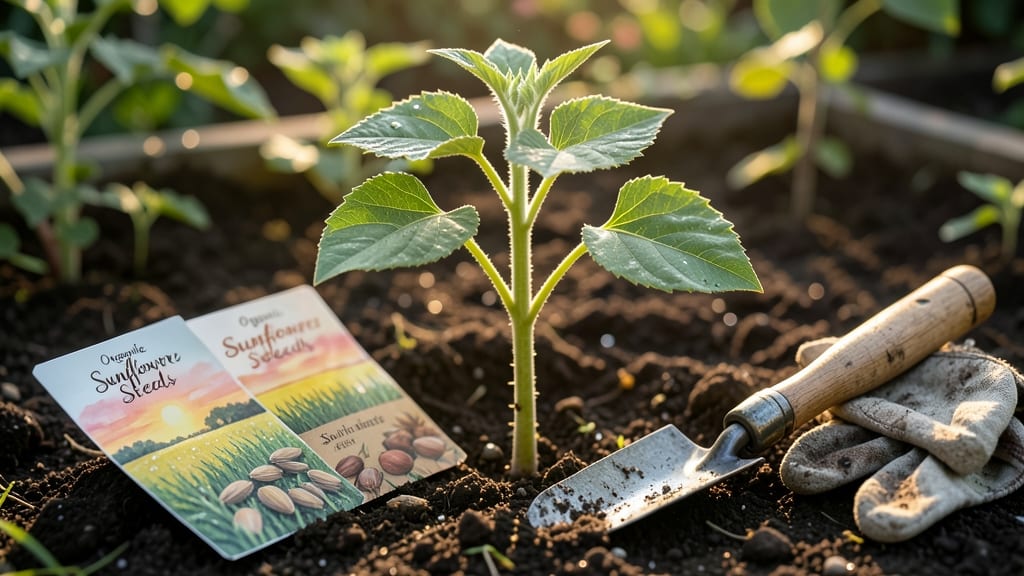
Sowing seeds in the morning gives them a head start no afternoon planting can match. 🌱 The phrase isn't just poetic—it's rooted in practical wisdom about temperature, moisture, and even pest avoidance that makes all the difference between thriving seedlings and struggling ones.
Morning soil stays cooler, retains moisture longer, and avoids the midday heat that stresses young roots. I've seen seeds sown at dawn germinate faster and establish stronger roots than those planted later, especially in hot climates where afternoon sun can bake soil to a crust.
The cooler temperatures also deter some pests that become active as the day warms. For most crops, morning planting means better germination rates and fewer seedling losses. Tomatoes, peppers, and leafy greens particularly benefit from this approach, though the principle applies to almost any seed.
In cooler climates, you might shift to late afternoon instead—when the soil has warmed but the air stays mild. The key is adapting to your local conditions rather than following the rule blindly.
Pay attention to your soil's moisture and temperature patterns, and you'll find the perfect window for your seeds to thrive.
📚 In This Guide
- What you need
- Instructions
- Tips and common mistakes
- Wrapping up and next steps
What you need
- ● Seeds: Choose fast-growing, sunrise-friendly varieties like marigolds, radishes, lettuce, or basil (packets or bulk bags). Aim for 100-200 seeds depending on your garden size.
- ● Seed Starting Mix: A lightweight, sterile peat-free or coconut coir-based mix (5-10 lbs, depending on containers). Avoid garden soil—it’s too dense!
- ● Containers: Seed trays (with drainage holes) or biodegradable pots (1-2 inch depth, 12+ cells per tray).
- ● Grow bags (5-10 gallon size) for larger plants.
- ● Watering Can or Spray Bottle: A gentle misting nozzle (1-2 gallon capacity) to avoid disturbing seeds.
- ● Labels & Markers: Waterproof labels or a pencil to mark seed types (trust us, you’ll forget!).
- ○ Grow Lights (Optional but Helpful): LED full-spectrum bulbs (12-16 hours/day) if planting indoors before last frost.
- ● Morning Sunlight: A south-facing window (6+ hours of light) or a sunny outdoor spot (partial shade is okay for seedlings).
- ○ Warmth: Seeds thrive in 65-75°F (18-24°C) soil. Use a seedling heat mat (optional) if temps drop below 60°F (15°C).
- ● Patience: Some seeds (like radishes) sprout in 3-7 days, while others (like tomatoes) take 7-14 days. Stay consistent!
Step-by-step instructions for morning seed sowing success
Timing matters more than you think—morning sowing prevents stress and ensures strong starts.
🌱 Step 1: Choose Your Seeds and Prepare the Soil
Select seeds that thrive in your climate zone, focusing on annuals like marigolds, zinnias, or snapdragons for reliable morning success. These varieties germinate quickly in cool morning soil and tolerate afternoon warmth. Work the soil the evening before to loosen it to a depth of 6 inches, removing any rocks or debris that could hinder root growth.
Add a 1-inch layer of compost to the top of the bed and mix it in lightly—this improves drainage and provides nutrients without overwhelming tender seedlings. The key here is to avoid compacting the soil; press it down just enough to create a firm seedbed, but don’t pack it like clay. You’ll know it’s ready when a handful crumbles easily between your fingers.
💧 Step 2: Water the Soil Before Sowing
Morning sowing starts with moisture—water the soil thoroughly the night before or first thing in the morning until it’s damp 2 inches deep. This prevents seeds from drying out during the sowing process and gives them immediate hydration. Use a gentle rain nozzle or soaker hose to avoid displacing soil particles, which can bury seeds too deeply.
Check the moisture level by pressing your finger into the soil; it should feel like a damp sponge, not soggy or bone-dry. If the ground feels cool to the touch, wait until the sun warms it slightly—seeds germinate best in soil that’s at least 50°F. This small adjustment prevents seeds from sitting in cold, damp conditions, which can cause rot.
☀️ Step 3: Sow Seeds at the Right Depth and Spacing
Follow the seed packet’s depth guidelines, but adjust for morning conditions: plant slightly shallower if your soil is cool or sandy. Most flowers benefit from being sown at a depth of twice their diameter, so tiny marigold seeds might go in just ¼ inch deep, while larger snapdragon seeds need ½ inch. Use your finger or a small stick to create individual holes—crowding seeds leads to weak, leggy seedlings.
Space seeds according to their mature size; zinnias, for example, need 12-18 inches apart at maturity, so sow them 6 inches apart now. After planting, cover the seeds lightly with soil and mist the area with water to settle everything in place. Avoid heavy watering, which can wash seeds away or bury them too deeply.
🌿 Step 4: Protect and Monitor Until Germination
Once seeds are in the ground, shield them from harsh morning sun or wind with a lightweight row cover or even a piece of clear plastic until they sprout. This creates a stable microclimate that retains moisture and warmth, speeding up germination. Check daily for signs of sprouts—most flowers appear in 7-14 days, depending on the variety and temperature.
Remove the cover as soon as you see the first true leaves (not the initial seed leaves) to prevent overheating. Keep the soil consistently moist but not waterlogged; morning watering is ideal to avoid fungal issues. If your area experiences afternoon heat waves, provide afternoon shade until seedlings are established—this prevents stress and ensures sturdy growth.
⏰ Step 5: Thin and Transplant for Strong Blooms
When seedlings are 2-3 inches tall and have 2-3 true leaves, thin them to the recommended spacing. Use sharp scissors to snip unwanted seedlings at soil level rather than pulling them, which disturbs the roots of remaining plants. This might seem harsh, but it prevents competition for nutrients and light, leading to healthier blooms.
If thinning feels wasteful, transplant the extras to another spot in the garden or share them with neighbors. Keep the soil moist during this transition, and avoid fertilizing until new growth appears. Morning thinning is less stressful for plants because the cooler temperatures help them recover faster—you’ll notice stronger stems and fuller foliage within a week.
Tips & tricks for perfect morning seed sowing
Morning sowing sets the stage for thriving blooms—here's how to maximize your sunrise planting strategy.
Soil Temperature Matters: While the instructions mention seeds germinate best at 50°F, I've found that checking soil temperature with a thermometer before sowing prevents surprises. Cool mornings below 50°F can delay germination—consider using black plastic mulch to warm the soil if needed. This simple check ensures you're not waiting weeks for sprouts when a quick fix could have prevented it.
Seed Selection Strategy: The instructions highlight marigolds, zinnias, and snapdragons, but I've learned to also consider your local frost dates. For regions with late springs, opt for fast-germinating varieties like cosmos or sunflowers—they tolerate cooler soils and still deliver vibrant blooms. Always check seed packets for "days to germination" to plan your morning sowing timeline accordingly.
Protective Covering Hack: When the instructions recommend shielding seeds from harsh morning sun, I've discovered that using a lightweight row cover with built-in ventilation works better than plain plastic. The fabric allows light and air to penetrate while maintaining humidity—this prevents the overheating that can occur with solid plastic covers. Plus, it's easier to remove for daily checks without disturbing the soil.
Thinning Timing Tip: The instructions suggest thinning when seedlings reach 2-3 inches with 2-3 true leaves, but I've found that waiting until the second set of true leaves appear actually gives plants more energy to establish. This slight delay prevents the shock that can occur when you thin too early, resulting in stronger stems and better bloom production down the line.
Pro Tips for Sow Your Seed In The Morning
- Morning sowing sets the stage for thriving blooms—here's how to maximize your sunrise planting strategy.
- Soil Temperature Matters: While the instructions mention seeds germinate best at 50°F, I've found that checking soil temperature with a thermometer before sowing prevents surprises.
- Seed Selection Strategy: The instructions highlight marigolds, zinnias, and snapdragons, but I've learned to also consider your local frost dates.
Frequently asked questions
Got questions about sowing seeds at sunrise? You’re not alone!
Here are answers to the most common queries—so you can start your garden with confidence and a little extra sunshine.
What’s the best time to sow seeds in the morning?
The ideal window is within the first 2–3 hours after sunrise, when soil is cool and moisture levels are high. Avoid direct midday sun, which can dry out seeds too quickly. If you miss morning, early evening (2–3 hours before sunset) is a close second!
Do seeds planted at sunrise actually grow faster?
Not necessarily faster, but they do have a better shot at establishing strong roots early. Morning planting reduces stress from heat and pests, giving seedlings a head start. Think of it as giving your plants a sunrise advantage—like a cheat code for growth!
What if my morning soil is too cold or wet?
Check your local frost dates and soil temperature guidelines (aim for at least 50°F/10°C for most seeds). If soil is soggy, wait for a dry spell or improve drainage with compost. For cold soils, use row covers or start seeds indoors until conditions improve.
Can I sow seeds at sunrise in containers or raised beds?
Containers and raised beds actually thrive with morning sowing because they warm up faster. Just ensure they’re in a spot with 6+ hours of sunlight and use well-draining soil. Pro tip: Water containers thoroughly the night before to retain moisture.
What if I forget and plant later in the day?
No stress! Seeds planted in the afternoon can still germinate, but they may need extra care—like shade cloth to prevent wilting. For best results, prioritize morning for delicate seeds (like lettuce or basil) and adjust watering as needed for afternoon plantings.
Pro Tip:
Mark your calendar for the next new moon—some gardeners swear by planting seeds during this phase for stronger roots. Pair it with your sunrise routine for double the magic!
Wrapping up and next steps
Sow your seed in the morning isn’t just a gardening tip—it’s a promise of effortless, vibrant blooms with less fuss. By starting early, you harness nature’s rhythm, giving your plants the best shot at thriving without the frustration of tangled roots or stubborn twists. The key? Consistency and patience—just like watering your dreams daily.
Ready to turn your green thumb into a golden harvest? 🌱 Start small—pick one seedling this week, follow the steps, and watch your confidence (and garden!) grow. Your future blooms are waiting!