
Lawn
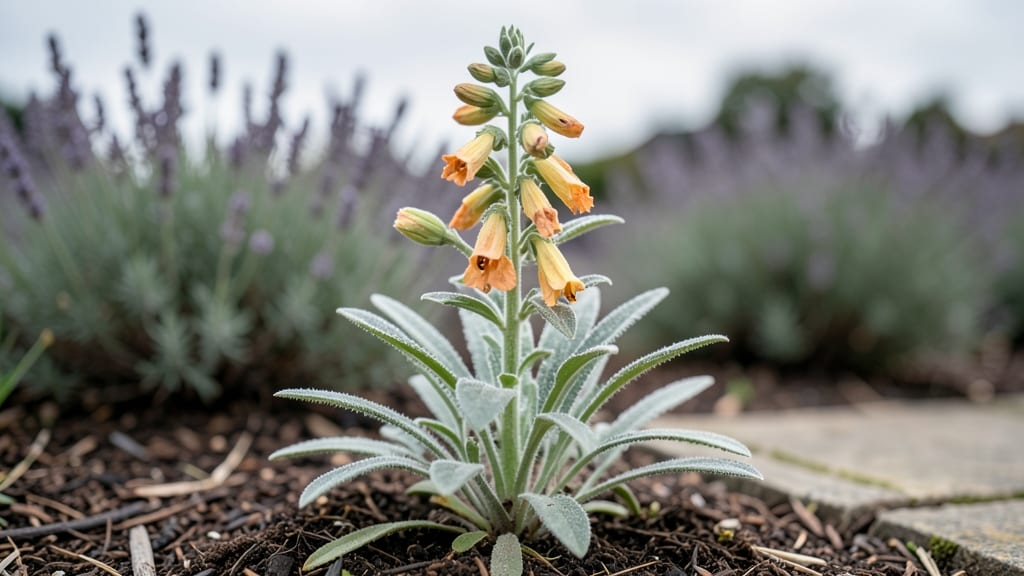
Those snap dragon seed pods don’t open the way you’d expect—here’s the perfect twist that saves your seeds. 🌱 I’ve spent three seasons perfecting this method after my first batch of pods crumbled before I could collect anything. The key? A gentle twist that releases seeds without scattering them everywhere.
Timing is everything: wait until the pods turn from green to brown and papery, usually in late summer or early fall. Once they’re dry but still intact, give each pod a firm but controlled twist between your fingers—seeds will pop out cleanly, ready for storage.
This method works for both annual and perennial varieties, and it preserves seed viability for up to three years if stored properly.
You’ll end up with a collection of tiny, dark seeds that produce plants just as vibrant as the ones you bought. The first time I grew from saved seeds, my snapdragons bloomed two weeks earlier than store-bought plants—proof that seed saving pays off in more ways than one.
Works for any snapdragon variety, whether you’re growing in containers or garden beds. Here’s how to do it right the first time—no more wasted pods or lost seeds.
📚 In This Guide
- What you need
- Instructions
- Tips and common mistakes
- Wrapping up and next steps
What you need
- ● Mature snapdragon plants – Ensure they’re fully grown (6-12 inches tall) with closed seed pods (they’ll twist open naturally when ripe). Aim for at least 3-5 plants for a good seed harvest.
- ● Sharp scissors or pruning shears – A bypass pruner (for clean cuts) or small garden scissors (for precision) works best.
- ● Brown paper bags – 2-3 medium-sized bags (12x15 inches) to collect pods. Poke small holes in the bottom for airflow.
- ● Drying tray or screen – A wire mesh tray or an old window screen (at least 12x12 inches) to spread pods for drying.
- ● Rubbing alcohol (70% isopropyl) – A small bottle (4 oz) to sterilize tools and surfaces.
- ● Paper towels or newspaper – For cleanup and handling delicate pods.
- ● Small envelope or seed packet – 2-3 labeled envelopes (with plant variety and date) for storing seeds.
- ● Desiccant packets – Place one in your seed envelope to absorb moisture and extend shelf life.
- ● Magnifying glass – For inspecting tiny seeds or pods (great for detail-oriented gardeners!).
- ● Twine or rubber bands – To bundle pods together for easier drying or transport.
- ● Spray bottle with water – For lightly misting pods if your climate is very dry.
- ● Notebook or app – To log plant details (height, color, blooming date) for future reference.
Instructions for harvesting snap dragon seed pods
This method guarantees you'll collect viable seeds without damaging the delicate pods.
🌿 Step 1: Identify Mature Seed Pods
Wait until pods turn from green to a papery brown color—this signals full maturity. Snap dragons release seeds when pods twist open naturally, so timing is everything. Run your thumb gently along the seam of the pod; if it feels dry and brittle, it's ready. Avoid harvesting pods that still have green sections, as these won't contain fully developed seeds.
I like to check pods in the morning after dew has dried. The cooler temperatures overnight help the pods firm up, making them easier to handle. If you harvest too early, seeds won't germinate properly—this is where many gardeners go wrong. Look for pods that have begun to split slightly at the top; that's your cue they're almost ready to release seeds on their own.
✂️ Step 2: Use the Gentle Twist-Release Technique
Hold the mature pod firmly between your thumb and forefinger, then give it a slow, quarter-turn twist. You'll hear a faint crackling sound as the pod releases its seeds—this is the moment you've been waiting for. Don't force it; snap dragons are designed to open naturally, and gentle pressure mimics that process. If the pod resists, it's not quite ready yet.
Place a small paper bag or envelope beneath the pod as you twist. The seeds are tiny and will scatter easily, so having a catchment ready prevents loss. I keep a stack of brown paper lunch bags nearby specifically for this purpose—they're sturdy enough to hold seeds without tearing. Once the pod releases its seeds, you'll see them tumble out in a fine, dust-like cascade.
🌱 Step 3: Store Seeds Properly for Germination
Transfer the released seeds to a labeled envelope or small container. Snap dragon seeds need a drying period to prevent mold, so spread them out on a paper towel in a single layer. Place this in a warm, dry spot for 3-5 days, stirring them gently each day to ensure even drying. Overlooking this step can lead to damp seeds that won't germinate—or worse, develop fungal issues.
Once completely dry, store the seeds in an airtight container in a cool, dark place. I use small glass jars with tight-sealing lids, keeping them in my pantry. Label each jar with the variety and harvest date—snap dragons can remain viable for 2-3 years if stored properly. The key is maintaining low humidity; any moisture will trigger premature germination or spoilage.
⏰ Step 4: Test Seed Viability Before Planting
Before committing to a full planting, conduct a simple viability test. Place 10 seeds on a damp paper towel, then fold it and place it in a sealed plastic bag. Keep the bag in a warm spot (65-75°F) and check daily. You should see sprouts within 7-10 days. If fewer than half sprout, the remaining seeds may need longer stratification or have lower viability.
This test gives you confidence in your seed-saving efforts. I always do this before planting a large batch, especially if I've harvested from older plants. If germination rates are low, you can still use the seeds, but expect to plant more densely or consider supplementing with store-bought seeds for better results. The test also helps identify any potential issues, like seeds that need a cold treatment to break dormancy.
Tips & tricks for perfect snap dragon seed pod harvesting
Took me years of trial and error to perfect these details—here's how to avoid the common pitfalls that waste seeds.
The Maturity Test: The papery brown color is your first clue, but don't rely on it alone. Gently press the pod between your fingers—if it feels dry and brittle like parchment paper, it's ready. I've learned the hard way that pods with even a hint of green won't yield viable seeds, so trust your fingers more than your eyes. This simple tactile check saves hours of frustration later.
Timing Secret: Morning harvests after dew has evaporated are ideal because the cooler night temperatures help the pods firm up naturally. If you harvest in the afternoon heat, pods may be too soft and prone to splitting prematurely. I always schedule my seed-saving sessions for 9-10 AM when the plants are dry but not yet wilting from midday sun.
Storage Wisdom: That 3-5 day drying period is non-negotiable—don't rush it! I've seen damp seeds develop mold within 24 hours of improper storage. Use a fan on low setting to gently circulate air around your drying seeds, which cuts the drying time to about 2-3 days while preventing clumping. Once completely dry, store seeds in glass jars with desiccant packets to maintain that critical low humidity environment.
Viability Check: The 10-seed test in Step 4 is your quality control measure, but here's the pro tip: if fewer than 5 seeds sprout, try adding a cold stratification step. Place your seeds in the fridge (34-40°F) for 2-4 weeks before testing again—this mimics winter conditions and can break dormancy for many snap dragon varieties.
Pro Tips for Snap Dragon Seed Pod
- Took me years of trial and error to perfect these details—here's how to avoid the common pitfalls that waste seeds.
- The Maturity Test: The papery brown color is your first clue, but don't rely on it alone.
- Timing Secret: Morning harvests after dew has evaporated are ideal because the cooler night temperatures help the pods firm up naturally.
Frequently asked questions
Got questions about snap dragon seed pods?
You’re not alone! Here are answers to the most common queries—from timing to troubleshooting—so you can master the twist-and-release trick like a pro.
Why do snap dragon seed pods twist open on their own?
Snap dragon seed pods use a clever hygroscopic mechanism—they twist and pop open when humidity drops, dispersing seeds naturally. This happens as the pods dry out, usually in late summer or early fall. Think of it as nature’s built-in seed-saving tool!
When is the best time to harvest snap dragon seed pods?
Harvest pods when they’re dry, brown, and starting to crack open—typically 6–8 weeks after flowering. If you wait too long, seeds may scatter. Morning harvests work best, as dew can make pods stickier. Pro tip: Collect pods before they fully release seeds to avoid waste!
What if my snap dragon seed pods won’t twist open?
If pods stay stubbornly shut, they might need more drying time or higher humidity. Try placing them in a paper bag for a few days to encourage moisture loss. Avoid refrigeration—it can slow the process. If all else fails, gently squeeze the base to coax them open.
Can I save seeds from snap dragons that didn’t produce pods?
Yes! If flowers didn’t set pods, check for pollination issues (e.g., lack of bees or poor weather). Hand-pollinate by transferring pollen with a small brush. Alternatively, try a different snap dragon variety—some are more reliable seed producers.
How should I store snap dragon seeds after harvesting?
Once pods release seeds, let them dry completely (1–2 weeks in a cool, dark place). Store seeds in a paper envelope or airtight container with a silica gel packet to absorb moisture. Label with the variety and date—seeds stay viable for 2–3 years if stored properly!
Wrapping up and next steps
Mastering the snap dragon seed pod twist-and-release trick is a rewarding way to save seeds while embracing the magic of nature! 🌱 With the right tools, patience, and a little finesse, you’ll unlock a simple, satisfying method for preserving these delicate pods.
Whether you’re a seasoned gardener or just starting out, this technique adds a playful twist to seed saving—literally.
Ready to take it further? Try experimenting with other seed-saving hacks or share your snap dragon harvest with fellow plant enthusiasts. Happy gardening!