
Plants
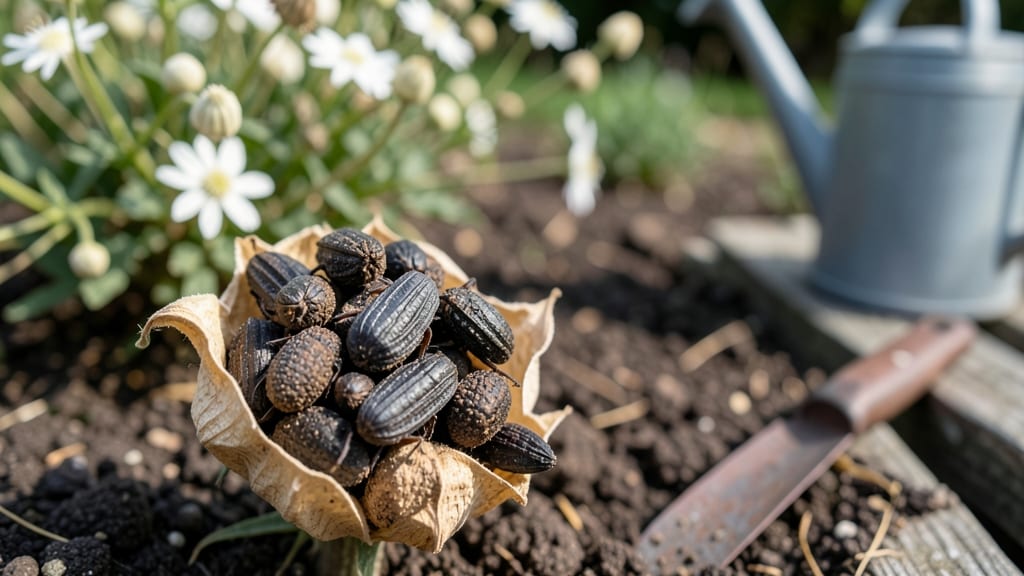
The seeds that look like bugs are nature's most bizarre gardening treasures—each one a tiny, edible masterpiece waiting to grow into something extraordinary. 🌱 I've collected these unusual pods over the years, and they never fail to spark curiosity (and a few laughs) when I show them to fellow gardeners.
From horned melon seeds that resemble tiny alligators to poppy seeds that look like delicate lace, these plants aren't just visually stunning—they're also packed with flavor and history.
Growing them is easier than you'd think, though they do have quirks. Most thrive in warm climates but can be coaxed into containers in cooler zones. The key is patience—some, like the horned melon, take weeks to germinate, while others, like poppies, shoot up almost overnight.
I've found that starting them indoors in biodegradable pots keeps them happy until the soil warms, and they love well-draining soil mixed with a little compost for that extra boost.
What makes these seeds truly special is how they evolved to look like bugs or insects—whether to attract pollinators, deter predators, or simply baffle curious gardeners like us. The coconut husk seeds, for example, mimic the texture of tiny crabs, while okra pods resemble alien eggs.
And the best part? Many of these pods are edible, adding a fun twist to meals or salads. Just be sure to research each plant's safety—some, like castor bean seeds, are toxic if ingested.
Once you grow them, you'll have a conversation starter for any garden party—and a collection that's as rewarding to look at as it is to grow. Whether you're a seasoned gardener or just love the unusual, these seeds promise a harvest that's as surprising as it is delicious.
Ready to add some intrigue to your garden?
Nature’s Deceptive Design Tricks
Ever picked up a seed pod only to recoil at its unsettling resemblance to a creepy-crawly? 🪲😮 Those "bug-like" seeds aren’t just a quirky coincidence—they’re the result of millions of years of evolutionary survival strategies.
Plants have developed bizarre, often unsettling shapes to outsmart predators, improve seed dispersal, and even trick animals into spreading their genes. Here’s why some seeds look like bugs—and what it means for their survival (and your garden!).
Some seeds resemble insects to trick predators into avoiding them. This phenomenon, called mimicry, is a clever defense mechanism. For example:
- Horse Chestnut (Aesculus hippocastanum): Its spiky seed pods look like tiny, armored beetles. Predators (like squirrels or birds) may avoid them, thinking they’re toxic or inedible.
- Devil’s Walking Stick (Aralia spinosa): Its seeds are encased in thorns that mimic the segmented bodies of insects, deterring herbivores.
Why it works: Predators learn to associate certain shapes with danger. If a seed looks like a "bug," they’re less likely to snack on it—even if it’s harmless.
Not all bug-like seeds are about scaring off animals—some are designed to hitchhike on the wind or float like tiny submarines. Their unusual shapes help them travel farther:
- Coriander (Coriandrum sativum): Its seeds look like tiny, winged beetles. The "wings" (actually dried seed coats) catch the wind, spinning like helicopter blades to disperse seeds over long distances.
- Water Hemlock (Cicuta spp.): Its seeds resemble floating larvae, helping them drift on water currents to colonize new areas.
Actionable tip: If you’re growing plants with winged seeds (like dill or fennel), avoid shaking them indoors—they’ll turn your house into a seed tornado! 🌪️
Some plants deliberately mimic insects to lure animals into eating (and spreading) their seeds. This is common in:
- Lotus (Nelumbo spp.): Its seeds resemble tiny, motionless beetles. Fish and birds may mistake them for prey, swallowing them whole—only for the seeds to pass through undigested and sprout elsewhere.
- Coffee (Coffea arabica): While not bug-shaped, its berries contain seeds that some animals (like birds) disperse. The shape and texture of certain seed pods can subtly mimic insects to encourage ingestion.
Science behind it: Animals have evolved to recognize patterns. If a seed looks like a "snack" (even if it’s not), they’re more likely to eat it—giving the plant a free ride to new territory.
Sometimes, the "bug" look is paired with chemical defenses that make seeds taste or smell repellent. For example:
- Castor Bean (Ricinus communis): Its seeds look like tiny, armored beetles and contain ricin, a deadly toxin. The visual cue reinforces the "don’t eat me" message.
- Rosary Pea (Abrus precatorius): Bright red seeds with black "eyes" resemble ladybugs—but they’re highly toxic. The mimicry is a double-layered defense.
Warning: Never consume seeds that look like bugs unless you’re 100% sure they’re edible. When in doubt, research or consult a plant expert!
Some plants actively cultivate relationships with insects to ensure seed survival:
- Fig (Ficus spp.): Figs rely on wasps to pollinate their seeds. The fig’s structure mimics an insect’s nesting site, tricking wasps into carrying pollen—and seeds—from plant to plant.
- Pitcher Plants (Nepenthes spp.): While not seeds, their insect-like traps attract prey that decomposes into fertilizer. This extreme example shows how plants can engineer their environment to thrive.
Garden hack: If you’re growing figs or other insect-dependent plants, avoid pesticides near flowering stages—you might accidentally kill their tiny pollinator allies! 🐝
Fixing Unwanted Bug-Like Seed Pods
If you’ve discovered unusual seed pods that resemble tiny bugs in your garden or kitchen, don’t panic! These quirky plants can often be managed, repurposed, or even enjoyed with the right approach. Below are practical solutions tailored to common causes—whether you’re dealing with pests, misidentification, or unwanted growth.
If the "bug-like" pods are actually insect eggs or larvae (like those from squash bugs or beetles), act fast to protect your plants.
How to Fix It:
- 🔥 Handpick & Destroy: Wear gloves and pluck off any pods or insects you find. Drop them into soapy water to kill them.
- 🌱 Prune Infested Areas: Trim and dispose of heavily affected leaves or vines to stop the spread.
- 🛡️ Use Natural Repellents: Spray plants with neem oil or a mix of water, dish soap, and garlic to deter pests.
Prevention Tips: ✅ 🌱 Rotate Crops: Avoid planting the same family (like cucurbits) in the same spot yearly. ✅ 🌿 Mulch Strategically: Use straw or grass clippings to block egg-laying pests. ✅ 🕵️ Monitor Early: Check undersides of leaves daily for signs of pests.
Some seeds do look like bugs but are perfectly safe (or even delicious) to eat! Think okra pods, lotus seeds, or even watermelon "seeds."
How to Fix It:
- 📖 Research First: Cross-reference with a plant ID guide or app (like PlantNet) to confirm edibility.
- 👨🍳 Clean & Prep: Rinse seeds/pods thoroughly, then toast or roast them for flavor (e.g., pumpkin seeds).
- 🥗 Use in Cooking: Blend into flour, sprinkle on salads, or add to soups (e.g., lotus seeds in desserts).
Prevention Tips: ✅ 📝 Label Your Plants: Keep a garden journal to track what you’ve grown. ✅ 🛒 Buy Certified Organic: Reduces risk of pesticide-contaminated seeds. ✅ 👩🍳 Start Small: Test a tiny portion of any new "seed" before full consumption.
If your garden is producing too many pods (even edible ones), they can compete with other plants or become a nuisance.
How to Fix It:
- ✂️ Thin Strategically: Snip excess pods while leaving enough for harvest. Aim for 2–3 pods per vine for optimal growth.
- 🌱 Repurpose Excess: Dry seeds for crafts, compost spent pods, or share with neighbors.
- 🌱 Adjust Watering: Overwatering can trigger excessive podding—let soil dry slightly between waterings.
Prevention Tips: ✅ 🌱 Plant Spacing: Follow seed packet guidelines to avoid overcrowding. ✅ 🌱 Prune Early: Trim vines when young to encourage stronger, fewer pods. ✅ 🌱 Choose Varieties: Opt for bush types (like bush beans) if space is limited.
Some "bug-like" pods (e.g., from castor beans or nightshade) are dangerous. If you suspect toxicity:
How to Fix It:
- 🚨 Avoid Touching/Eating: Wear gloves and dispose of plants in sealed bags.
- 🏥 Seek Help if Exposed: Call Poison Control if ingestion occurs (symptoms may include nausea or dizziness).
- 🌱 Remove Completely: Dig up roots to prevent regrowth.
Prevention Tips: ✅ 🌿 Know Your Garden: Research plants before planting—avoid nightshade relatives unless you’re experienced. ✅ 👀 Inspect Wild Areas: Don’t harvest pods from unknown sources (e.g., forest edges). ✅ 📚 Consult Experts: Local extension offices can confirm plant IDs safely.
If the pods are non-toxic but unsightly, get crafty!
How to Fix It:
- 🖌️ Dye or Paint: Use pods as natural brushes or stencils for art projects.
- 🪔 Make Jewelry: Dry and polish seeds (like okra) into beads or pendants.
- 📸 Photograph Them: Capture their unique shapes for nature journals or social media.
Prevention Tips: ✅ 🌱 Grow for Aesthetics: Plant ornamental varieties (like Chinese lanterns) in designated areas. ✅ 🗑️ Compost Safely: If not using, compost pods away from edible gardens.
Final Pro Tip: 💡 When in doubt, toss it out! If you’re unsure about a pod’s safety, err on the side of caution. Better safe than sorry—especially with kids or pets around.
Frequently asked questions
Why do some seeds look like bugs or insects?
Nature designed these seeds to survive! Many mimic bugs to deter predators (like squirrels avoiding spiky horse chestnut seeds) or trick animals into spreading them (e.g., lotus seeds disguised as beetles). Others float like larvae to hitch rides on water currents. It’s pure evolutionary genius!
Are seeds that look like bugs safe to eat?
Not always! While some (like okra or watermelon seeds) are delicious, others—such as castor beans or rosary peas—are toxic. Always research before eating. When in doubt, toss them out—better safe than sorry!
How can I tell if a seed pod is edible?
Start with a reliable plant ID app (like PlantNet) or consult a gardening guide. Check for edibility warnings and avoid pods from wild plants or unknown sources. When harvesting, rinse thoroughly and cook seeds (toasting or roasting removes potential toxins).
Can I grow seeds that look like bugs in containers?
Many, like horned melon or poppies, thrive in pots with well-draining soil and 6+ hours of sunlight. Use biodegradable pots for seedlings to avoid root disturbance. Just ensure containers are large enough—some vines (like okra) need room to sprawl!
What should I do if I find bug-like pods in my garden?
First, identify them! If they’re pest eggs/larvae, remove them with gloves and soapy water. For edible pods, harvest carefully. If unsure, avoid touching and research before handling. When in doubt, consult a local extension office for expert advice.