
Diseases
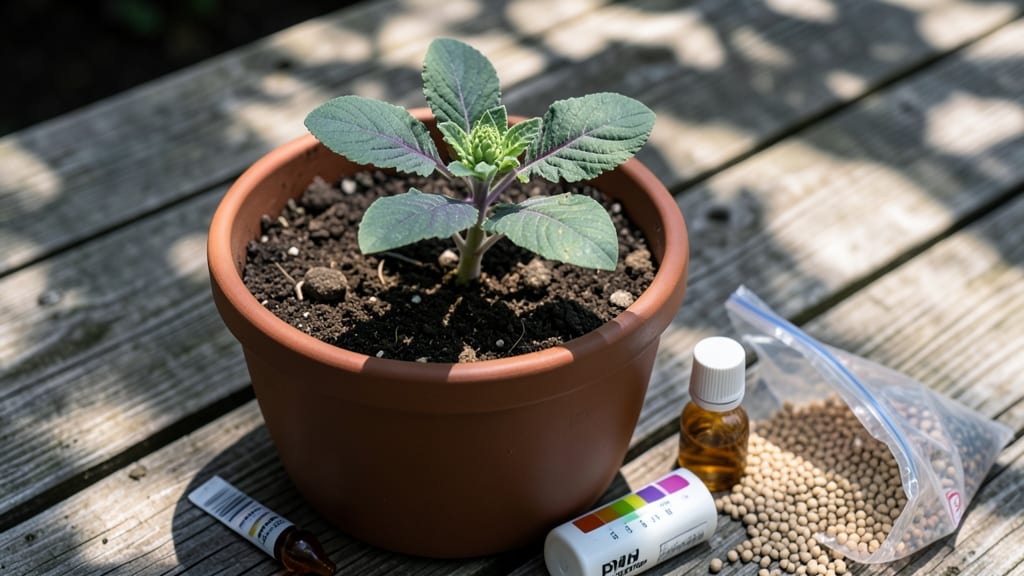
Seedling leaves turning purple isn’t just unsightly—it’s a cry for help from your tiny plants. 🌱 I’ve seen this happen after just a week of neglect, and the good news is, it’s almost always fixable with a few simple tweaks.
The issue usually boils down to one of three things: too much or too little of a specific nutrient, water stress, or environmental conditions that are just a little too harsh for delicate seedlings.
The most common culprits are phosphorus deficiency (which causes that classic purple hue) or overwatering that’s suffocating roots and blocking nutrients. Cold drafts or inconsistent temperatures can also trigger the problem, especially in early spring when nights are still chilly.
The key is acting fast—within a day or two, you can often reverse the damage before it becomes permanent.
Start by checking your watering routine: seedlings need moisture, but their roots need air too. Let the top inch of soil dry between waterings, and make sure your containers have drainage holes.
If you suspect a nutrient issue, a balanced liquid fertilizer (half-strength) can give them a quick boost without overwhelming their tiny systems.
Once you’ve addressed the immediate problem, focus on prevention: use seedling heat mats if nights are cool, keep containers away from drafts, and choose a bright spot with consistent light. Purple leaves won’t be a recurring issue once you understand what your seedlings truly need to thrive.
Root Causes Behind Purple Seedling Leaves
When your seedlings sport vibrant purple hues instead of their usual green, it’s often a cry for help—specifically, a sign of underlying nutritional or environmental stress. While it might look dramatic (or even pretty! 🌈), the color shift is rarely a good thing.
Let’s break down the most common culprits behind this phenomenon, so you can diagnose and fix the issue before it stunts your plants’ growth.
Purple leaves in seedlings are most commonly linked to a lack of phosphorus, a critical nutrient for energy transfer and root development. Phosphorus helps plants convert sugars into ATP (their energy currency), and without enough of it, seedlings struggle to grow strong roots or vibrant foliage.
Here’s how to spot it:
- Dark purple or reddish veins on younger leaves (especially in high-light conditions).
- Stunted growth or slow germination.
- Weak stems that may not stand upright.
Why it happens: Phosphorus is highly mobile in soil but often binds tightly to minerals (like iron or calcium), making it less available to roots. Sandy or acidic soils accelerate this issue. Additionally, overwatering can leach phosphorus away, while underwatering prevents roots from accessing it efficiently.
💡 Pro Tip: Test your soil’s pH—phosphorus is most available in slightly acidic to neutral soil (pH 6.0–7.0). If your soil is too alkaline, amend it with compost or sulfur to improve uptake.
Purple tinges can also signal that your seedlings are too cold or exposed to intense light. While seedlings need light to grow, excessive heat or UV radiation can trigger the production of anthocyanins (pigments that give leaves their purple hue) as a protective measure.
Here’s how to identify it:
- Purple appears on both new and older leaves (not just veins).
- Leaves may look thin, crispy, or sun-scorched on edges.
- Seedlings grow slowly despite ample light.
Why it happens:
- Cold stress: Temperatures below 50°F (10°C) can disrupt nutrient uptake, especially phosphorus. Anthocyanins act as antioxidants to shield cells from damage.
- Heat/light stress: High-intensity grow lights or direct midday sun can overwhelm seedlings, causing them to produce pigments for UV protection.
🌡️ Quick Fix: Move seedlings to a warmer, shaded spot (60–75°F / 15–24°C) and use indirect light or grow lights 6–12 inches away. A simple reflective surface (like aluminum foil) can diffuse harsh light.
Water plays a surprisingly direct role in nutrient availability—and purple leaves often pop up when watering is either inconsistent or excessive. Here’s how:
🔥 Overwatering:
- Soggy soil deprives roots of oxygen, slowing nutrient absorption (especially phosphorus).
- Excess water leaches nutrients out of the root zone.
- Purple discoloration may appear alongside yellowing (chlorosis).
💧 Underwatering:
- Dry soil binds phosphorus tightly, making it inaccessible.
- Seedlings may wilt or develop crispy edges alongside purple hues.
💡 Pro Tip: Aim for consistently moist (not soggy) soil. Use your finger to check moisture—top 1–2 inches should be dry before watering again. For seedlings, a spray bottle or bottom-watering tray prevents over/under-watering.
Soil pH directly affects nutrient solubility. If your soil is too acidic (pH < 5.5) or alkaline (pH > 7.5), phosphorus and other essential nutrients become chemically locked, even if they’re present in the soil.
Signs of pH-related purple leaves:
- Purple appears even after fertilizing.
- Other symptoms like yellowing between veins (iron deficiency) or stunted growth accompany it.
Why it happens:
- Acidic soil (low pH): Phosphorus binds to aluminum and iron, forming insoluble compounds.
- Alkaline soil (high pH): Phosphorus reacts with calcium and magnesium, creating unavailable precipitates.
📊 Fix It Fast:
- Lower pH (make soil more acidic): Add sphagnum peat moss, pine needles, or sulfur.
- Raise pH (make soil less acidic): Mix in lime (calcium carbonate) or wood ash.
Test your soil’s pH with a simple kit (aim for 6.0–7.0 for most seedlings).
Now that you know the key triggers behind purple seedling leaves, you’re one step closer to reviving your plants! The good news? Most of these issues are easily reversible with targeted fixes. Stay tuned for our next section on quick remedies to bring your seedlings back to vibrant green.
Quick Fixes For Purple Seedling Woes
When your seedlings start showing off those unexpected purple hues, don’t panic—your plants are just sending you a signal! The good news? Most of these issues are easy to diagnose and fix with a few simple adjustments.
Below, we’ve mapped out practical solutions for each common cause, along with prevention tips to keep your seedlings thriving. Let’s turn those purple leaves back to vibrant green!
If your seedlings are craving more nutrients, here’s how to give them what they need—fast.
🔥 Phosphorus Boost for Strong Roots
Purple leaves often mean your seedlings are starving for phosphorus, a key nutrient for root development and flowering.
Try these fixes: - Add a balanced fertilizer: Use a 5-10-5 or 10-10-10 NPK ratio fertilizer (like a water-soluble blend) at half-strength to avoid overloading young roots.
Dilute it in water and apply it to the soil. - Try a phosphorus-specific supplement: Mix in bone meal (1 tbsp per gallon of soil) or rock phosphate for a slow-release boost.
Work it into the top 1–2 inches of soil. - Use compost tea: Brew a compost tea (steep compost in water for 24–48 hours, strain, and apply) to introduce beneficial microbes and trace nutrients.
✨ Pro Tip: If your seedlings are tiny, skip the heavy fertilizers and focus on organic matter like worm castings or fish emulsion (diluted to 1 tbsp per gallon of water).
💪 Correcting Nitrogen Overload or Deficiency
Sometimes, purple leaves sneak in when nitrogen levels are off.
Too much can burn roots, while too little stunts growth. - For nitrogen deficiency: - Apply a mild nitrogen-rich fertilizer like fish emulsion (1 tbsp/gallon) or alfalfa meal (1 tbsp per plant). - Use well-aged compost (rich in nitrogen) around the base of seedlings. - For nitrogen toxicity (yellowing + purple edges): - Flush the soil with water to leach excess salts. - Reduce fertilizer strength to half or quarter strength. - Improve drainage by adding perlite or sand to the soil mix.
🌡️ Quick Test: If leaves are purple with yellowing, it’s likely a nitrogen imbalance—not just phosphorus.
Purple leaves can also be a cry for better growing conditions. Here’s how to tweak your setup:
🌞 Fixing Light Deficiency (Leggy Seedlings)
If your seedlings are stretching toward light (etiolation) and turning purple, they need more intensity or duration: - Move them closer to light: If using grow lights, adjust them to 2–4 inches above seedlings (LED or fluorescent).
For sunlight, ensure they get 12–16 hours of light daily. - Extend daylight: Use a grow light on a timer (even a cheap LED bulb on a plug-in timer works). - Rotate seedlings daily: Prevents uneven growth and ensures all sides get light.
💡 Pro Tip: If leaves are purple but not leggy, the issue might be temperature stress—see below.
❄️ Fixing Cold Stress (Chilly Nights)
Seedlings struggle in temps below 50°F (10°C).
If nights are cool: - Use a heat mat (for indoor seedlings) to keep soil temps between 65–75°F (18–24°C). - Cover seedlings at night with a row cover or plastic dome (remove during the day to avoid overheating). - Move containers indoors if frost is forecasted.
✨ Prevention: Always harden off seedlings before transplanting—acclimate them to outdoor temps over 7–10 days.
Purple leaves can also signal water stress or soil pH issues. Here’s how to fix them:
🚰 Fixing Overwatering or Poor Drainage
If the soil is soggy and roots are suffocating: - Let the soil dry slightly between waterings.
Stick your finger 1 inch deep—if it’s damp, wait. - Improve drainage: Mix in perlite, vermiculite, or coarse sand (20% of the soil volume). - Repot if needed: If roots are rotting, transfer seedlings to fresh, well-draining soil.
🔥 Emergency Fix: If seedlings are wilting with purple leaves, they may be drowning. Gently lift, trim any mushy roots, and repot in fresh, dry soil.
📊 Adjusting Soil pH (Too Acidic or Alkaline)
Purple leaves can occur if nutrients are locked out due to pH extremes:
- Test your soil: Use a pH meter or kit (ideal range for seedlings: 6.0–7.0).
- Lower pH (if too alkaline):
- Add sulfur or peat moss to the soil.
- Water with vinegar (1 tbsp per gallon) or citric acid (1 tsp/gallon).
- Raise pH (if too acidic):
- Mix in lime or wood ash (sparingly).
- Use baking soda (½ tsp/gallon of water) as a foliar spray.
🎯 Prevention: Always sterilize soil (bake in oven at 200°F for 30 mins or use hydrogen peroxide) to avoid pH-altering pathogens.
Once your seedlings are back to green, keep them happy with these long-term fixes:
- Start with the right soil: Use a light, airy seed-starting mix (50% peat/coir, 30% perlite, 20% compost). - Fertilize lightly: Wait until seedlings have 2 true leaves before adding nutrients.
Then, use half-strength fertilizer every 2 weeks. - Monitor light and temp: Invest in a grow light with a timer and a thermometer/hygrometer for indoor setups. - Rotate and prune: Pinch leggy seedlings above the 2nd set of leaves to encourage bushiness. - Avoid overcrowding: Give seedlings enough space (at least 2–3 inches apart) for airflow.
Final Thought: Purple leaves are your seedlings’ way of talking to you—listen closely, and you’ll have strong, vibrant plants in no time! 🌿💜
Frequently asked questions
Why do my seedlings turn purple on just the veins?
This classic sign usually means your seedlings are phosphorus-deficient. Phosphorus helps plants convert energy, and when they lack it, they produce anthocyanins (purple pigments) in the veins first. Check if your soil is too alkaline (pH >7.5)—phosphorus binds tightly in these conditions. A balanced fertilizer (half-strength) or bone meal mixed into the soil can fix this quickly.
Can I still save seedlings with purple leaves?
Yes! Act within 24–48 hours for best results. Adjust the root cause (nutrients, water, or light) and watch for improvement in 3–5 days. If leaves are crispy or mushy, damage may be permanent—but new growth should return to green once conditions improve.
Is purple always a bad sign in seedlings?
Not always! Some cold-hardy varieties (like kale or cabbage) naturally develop purple hues in cool weather as a protective mechanism. However, if your seedlings are stunted or wilted, it’s a stress signal. Monitor growth—if they’re thriving despite the color, it’s likely genetic. Otherwise, address the underlying issue.
How often should I fertilize seedlings with purple leaves?
Start with a very light dose—use half-strength liquid fertilizer (like 5-10-5) every 2 weeks until leaves return to green. Over-fertilizing can burn delicate roots. For organic options, try compost tea or worm castings (1 tbsp per gallon of soil) weekly until improvement is seen.
Will transplanting fix purple leaves caused by poor soil?
If your current soil is compacted, waterlogged, or nutrient-poor, repotting into a well-draining seedling mix (50% peat/coir, 30% perlite, 20% compost) can work wonders. Gently loosen roots and trim any damaged ones before transplanting. Add a slow-release fertilizer like osmocote to prevent recurrence.