
Shrubs
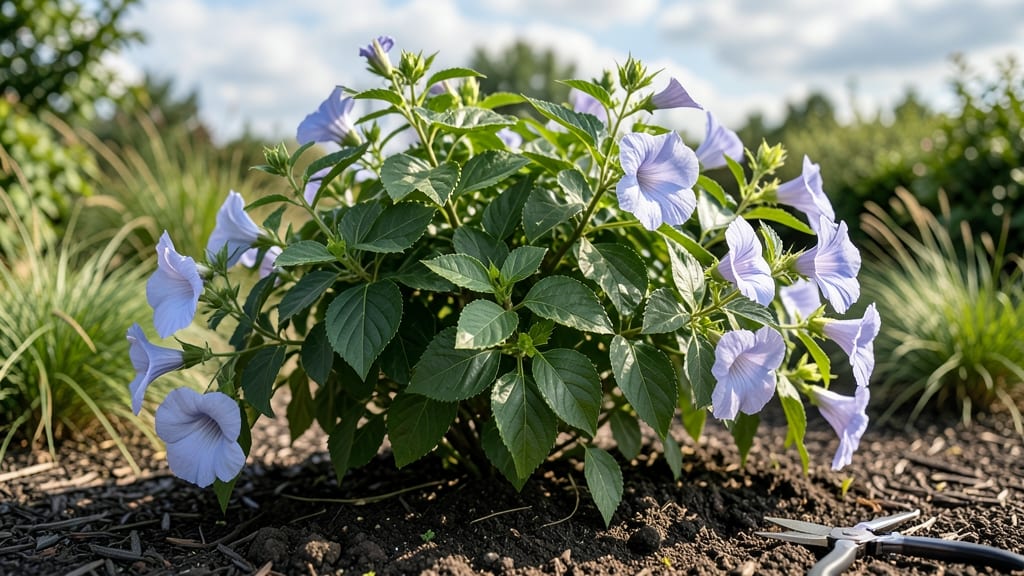
The seedless Rose of Sharon blooms like a dream—no messy seed pods, just vibrant purple, pink, or white flowers that last from midsummer to frost. 🌸 I fell for this variety after my first garden season when I realized how much cleaner it stays compared to traditional types.
No self-seeding chaos, just pure ornamental beauty that thrives even in tough climates.
This hardy shrub handles cold snaps like a champ, with stems that survive down to 10°F—perfect for gardeners who love low-maintenance plants. It’s not fussy about soil either, though well-draining ground keeps it happiest.
Give it full sun to partial shade and watch it reward you with 3-4 weeks of continuous blooms every year.
Pruning is the secret to keeping it lush and flowering strong. Cut back in late winter or early spring to shape it and encourage new growth. The seedless variety also means fewer pests—no birds pecking at seeds or volunteers popping up everywhere. Just water occasionally and enjoy the show.
Whether you’re filling a border, adding height to a mixed bed, or softening a fence line, this Rose of Sharon delivers effortless elegance with minimal work. It’s the kind of plant that makes gardening feel like a breeze—once you get it right.
📚 In This Guide
- What you need
- Instructions
- Tips and common mistakes
- Wrapping up and next steps
What you need
- ● Seedless Rose of Sharon plants: 1–3 bare-root plants (dormant season) or container-grown plants (spring/fall)
- ● Look for cold-hardy cultivars like ‘Diana,’ ‘Jubilee,’ or ‘Lavender Dream’ (zones 3–9).
- ● Planting site: Full sun (6+ hours/day) or partial shade (morning sun, afternoon shade for hot climates).
- ● Well-draining soil (amend with compost if heavy clay).
- ○ Soil amendments (optional but helpful): 2–3 gallons of organic compost or aged manure per planting hole.
- ● 1 cup slow-release fertilizer (10-10-10 or rose-specific blend).
- ● Digging tools: 1 shovel (for planting holes, 12–18" wide/deep).
- ● 1 garden trowel (for root adjustment).
- ● Pruning tools: 1 pair bypass pruners (for shaping or cutting stems).
- ● 1 hand saw (for thick stems, if needed).
- ● Mulch: 2–3 inches of wood chips, straw, or pine needles (to retain moisture and insulate roots).
- ● Watering supplies: 1 hose with adjustable nozzle or watering can (for deep watering).
- ○ Optional: drip irrigation kit (for consistent moisture).
- ● Best planting time: Early spring (after last frost) or early fall (6–8 weeks before first frost).
- ● Spacing: 3–5 feet apart (for single-stemmed varieties) or 6+ feet (for bushier types).
- ● Cold hardiness check: Verify your USDA zone (Rose of Sharon thrives in zones 3–9).
- ○ Pest/disease prep: Neem oil or copper fungicide (optional, for fungal prevention).
Step-by-step instructions for planting and caring for seedless Rose of Sharon
This cold-hardy beauty thrives with minimal fuss—here's how to get those dramatic blooms back every season.
🪴 Step 1: Choose the Perfect Planting Site
Select a location with full sun to partial shade—at least 6 hours of direct sunlight daily. Rose of Sharon tolerates a range of light conditions but produces the most abundant blooms in morning sun with afternoon shade in hot climates. The plant's natural resilience means it can even handle some urban pollution and reflected heat from buildings.
Check your soil's drainage by digging a 12-inch deep hole. If water pools after 30 minutes, amend the area with 2-3 inches of compost to improve aeration. This plant's roots spread widely, so avoid planting near structures or other plants within 6 feet—it needs room to establish its strong root system.
🌱 Step 2: Plant Bare-Root or Container-Grown Stems Correctly
For bare-root plants, soak the roots in lukewarm water for 2-3 hours before planting to revive them. Dig a hole twice as wide as the root ball but no deeper—Rose of Sharon blooms best when planted at the same depth it grew in the nursery. The plant's stems are woody and self-supporting, so no staking is needed unless you're in a windy location.
Place the plant in the hole and backfill with native soil mixed with 1 part compost. Water thoroughly until the soil settles 1-2 inches. The key here is to avoid burying the stems too deeply—this can cause rot and reduce flowering. You'll know it's planted correctly when the top of the root ball sits just 1 inch below soil level.
☀️ Step 3: Water Deeply and Mulch for Winter Protection
Water deeply once a week during the first growing season, allowing water to penetrate 12-18 inches deep. The plant's deep roots mean it's drought-tolerant once established, but young plants need consistent moisture. You'll see new growth emerging in early spring—this is your signal that the roots have established.
Apply 3-4 inches of organic mulch around the base, keeping it 6 inches away from the stem to prevent rot. This mulch layer protects the plant through winter freezes down to -30°F. In colder zones, you can wrap the stems with burlap or use a thick layer of straw mulch for extra insulation during the harshest winter months.
✂️ Step 4: Prune for Health and Next Year's Blooms
Prune in late winter or early spring before new growth appears. Remove any dead, diseased, or crossing branches first—these compete with healthy growth. Then cut back last year's stems by one-third to encourage bushier growth and more abundant blooms. The plant's natural shape is multi-stemmed, so avoid heavy pruning that would remove too many stems at once.
Watch for suckers growing from the base—these can be removed to direct the plant's energy into established stems. You'll notice new buds forming along the remaining stems in early spring. These buds will develop into the dramatic clusters of blooms that make Rose of Sharon so special, typically appearing in midsummer and lasting for weeks.
🌿 Step 5: Fertilize and Monitor for Pests
Apply a balanced 10-10-10 fertilizer in early spring when new growth appears, then again in midsummer after the first flush of blooms. The plant's natural hardiness means it doesn't need heavy feeding, but this light fertilization encourages strong stems and vibrant blooms. Water the fertilizer into the soil to prevent root burn.
Check the undersides of leaves regularly for spider mites or aphids—the plant's fuzzy foliage can attract these pests. A strong spray of water usually dislodges them, but for severe infestations, use an insecticidal soap. Healthy Rose of Sharon plants rarely have serious pest problems, but early intervention prevents cosmetic damage to the foliage and blooms.
Tips & tricks for perfect seedless Rose of Sharon growth
These insights will help you cultivate a thriving, blooming Rose of Sharon that comes back stronger every year.
Location Intelligence: While the plant handles light variations, I've found that positioning it where it gets morning sun and afternoon shade—especially in hotter climates—produces the most abundant blooms. The 6 hours of direct sunlight mentioned is ideal, but if you're in a particularly sunny area, that afternoon shade becomes even more critical for preventing leaf scorch.
Root Revival Technique: That 2-3 hour soak for bare-root plants is crucial, but here's what I learned the hard way: use lukewarm water (about 70°F) rather than cold or hot water. Cold water can shock the roots while hot water can damage them. You'll know it's working when the roots become pliable and slightly swollen—this indicates they're rehydrating properly.
Planting Depth Secret: The instructions mention planting with the top of the root ball just 1 inch below soil level, but here's the visual cue I use: imagine the plant's original soil line at the nursery. That's your target—any deeper and you risk rot, any shallower and the plant may struggle to establish properly. The 12-inch deep hole check for drainage is equally important—water pooling after 30 minutes means you need that compost amendment.
Winter Protection Strategy: For zones colder than -30°F, I've had success with an extra layer of protection: after applying the 3-4 inches of organic mulch, I add a layer of bubble wrap around the stems (covered with more mulch). This creates an insulating barrier that can push the cold tolerance down to about -40°F. Just remove it in early spring before new growth appears.
Pro Tips for Seedless Rose Of Sharon
- These insights will help you cultivate a thriving, blooming Rose of Sharon that comes back stronger every year.
- Location Intelligence: While the plant handles light variations, I've found that positioning it where it gets morning sun and afternoon shade—especially in hotter climates—produces the most abundant blooms.
- Root Revival Technique: That 2-3 hour soak for bare-root plants is crucial, but here's what I learned the hard way: use lukewarm water (about 70°F) rather than cold or hot water.
Frequently asked questions
Got questions about growing the stunning seedless Rose of Sharon? You’re not alone! Here are answers to the most common queries to help you nurture this cold-hardy beauty with confidence.
When is the best time to plant seedless Rose of Sharon?
Plant your seedless Rose of Sharon in early spring (after the last frost) or fall (4-6 weeks before your first expected frost). This gives roots time to establish before extreme temperatures. Avoid planting in summer heat, which can stress young plants.
How cold can seedless Rose of Sharon tolerate?
This shrub is a zone 5-9 champion! It thrives in temperatures as low as -20°F (-29°C), making it perfect for snowy climates. Just ensure it’s planted in well-draining soil to prevent root rot in winter.
Do I need to prune seedless Rose of Sharon? If so, when?
Yes! Prune in late winter or early spring to shape the shrub and encourage new growth. Remove dead, diseased, or crossing branches first, then trim back by 1/3 to 1/2 to maintain its compact form. Avoid heavy pruning in fall—it can stimulate tender growth before winter.
Why isn’t my seedless Rose of Sharon blooming?
Blooms may be sparse if the plant is too young (under 2 years), underfed, or over-pruned. Ensure it gets full sun (6+ hours/day) and balanced fertilizer in spring. Deadheading spent blooms can also encourage more flowers!
Are there alternatives to seedless Rose of Sharon for my climate?
If you love its hardiness and blooms, try these cold-resistant shrubs:
- Butterfly Bush (Buddleia) – Drought-tolerant, attracts pollinators.
- Weigela – Vibrant flowers, thrives in zones 4-8.
- Spirea (Spiraea japonica) – Compact, colorful, and low-maintenance.
Wrapping up and next steps
Growing a seedless Rose of Sharon is a rewarding journey that brings vibrant blooms and resilience to your garden year after year! 🌸 With the right care—sunlight, well-draining soil, and a little patience—you’ll enjoy stunning flowers that thrive even in cooler climates.
Whether you’re a seasoned gardener or just starting out, this hardy shrub is a fantastic addition to any landscape.
Ready to transform your outdoor space? Start with a healthy plant, follow the care tips, and soon you’ll be admiring its breathtaking blooms. Happy gardening! 🌿