
Lawn
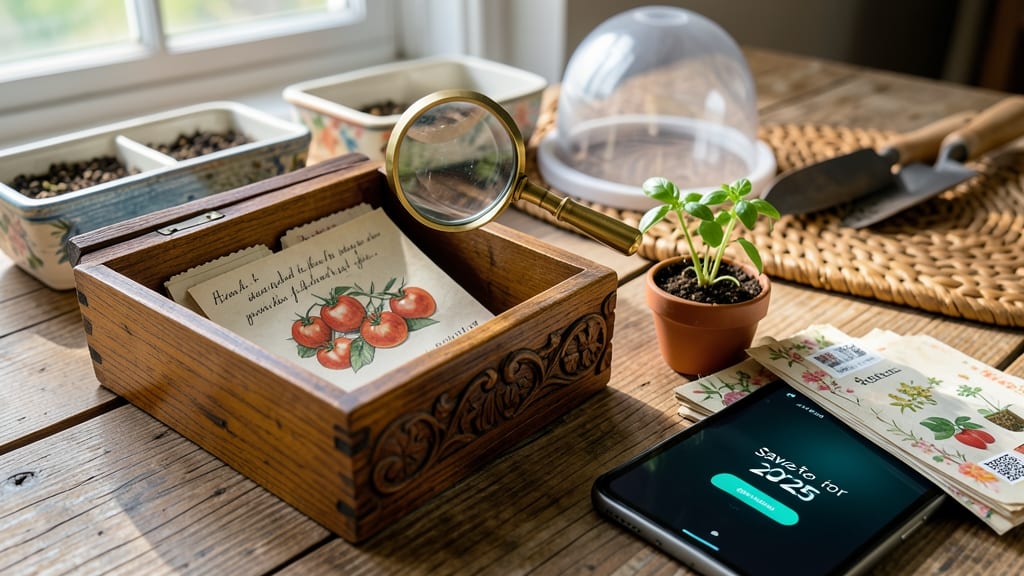
This year’s seed catalogs are packed with heirloom varieties that taste like childhood memories. 🌱 I’ve been poring through the 2025 editions, and the standout picks—like ‘Cherokee Purple’ tomatoes and ‘Black Krim’ cucumbers—aren’t just pretty; they’re packed with flavor that store-bought can’t match.
The best catalogs now highlight organic options too, so you can grow without synthetic inputs while supporting biodiversity.
Ordering early is key—popular varieties sell out fast, and some catalogs even offer exclusive seeds for first-time buyers. I recommend starting with Baker Creek Heirloom Seeds or Territorial Seed Company for unique finds, while High Mowing Organic Seeds delivers certified organic options.
Look for catalogs that list maturity dates and planting zones upfront to avoid surprises later.
What you’ll end up with is a garden bursting with vibrant colors and old-fashioned flavors, plus the satisfaction of growing exactly what you want. The planning phase is where the magic happens—sketching layouts, comparing varieties, and dreaming up harvests.
It’s the one time of year where even the most impatient gardeners can slow down and enjoy the process.
Pro tip: Bookmark your top catalogs now and set reminders for early-bird discounts. Some even offer free seed samples—perfect for testing new varieties before committing. Whether you’re a seasoned grower or just starting, 2025’s seed catalogs make it easier than ever to grow the garden of your dreams.
📚 In This Guide
- What you need
- Instructions
- Tips and common mistakes
- Wrapping up and next steps
What you need
- ● Seed Catalogs (2025 Editions): At least 3-5 catalogs (e.g., Baker Creek Heirloom Seeds, Seed Savers Exchange, or Organic Gardening Magazine). Digital or print—whichever suits your planning style!
- ○ Notebook or Digital Planner: For tracking seed varieties, planting dates, and garden layouts. Optional: A garden journal for notes on growth progress.
- ● Measuring Tape (10-25 ft): To map out garden beds, rows, or container spacing.
- ● Pencil or Fine-Tip Marker: For labeling seeds, pots, or garden stakes.
- ● Seed Starting Supplies (if direct sowing isn’t your style): Biodegradable seed pots (50+ count) or seed trays with cells.
- ● High-quality seed starting mix (sterile and peat-free if preferred).
- ● Grow lights or a sunny windowsill (south-facing for best results).
- ● Garden Space Assessment: Measure your available square footage (e.g., in-ground beds, raised beds, or containers). Note sunlight exposure (full sun = 6+ hours/day; partial shade = 3-6 hours).
- ● Climate & Frost Dates: Check your USDA Hardiness Zone (2025 updates may refine this!). Know your last frost date (use Almanac’s tool or local extensions).
- ○ Budget: Seed costs vary—$1–$5 per packet for heirloom/organic seeds. Optional: Allocate for soil amendments (compost, worm castings) or tools.
- ● 🌡️ Start with easy-to-grow varieties (e.g., lettuce, radishes, or marigolds) if you’re new to seed catalogs!
- ● ✨ Order seeds early—popular 2025 heirlooms may sell out fast!
- ● 📊 Cross-reference catalogs for companion planting tips (e.g., basil + tomatoes).
How to choose the best seed catalogs for your 2025 organic garden
Here's how I narrow down the best catalogs for heirloom seeds and organic growing—no fluff, just the essentials.
🌱 Step 1: Identify Your Growing Priorities
Start by defining what matters most for your garden this year. Are you prioritizing disease-resistant heirlooms that preserve flavor without chemicals? Or do you need open-pollinated varieties that save seed year after year? I always cross-reference my climate zone with the catalog's regional recommendations—some varieties thrive in Zone 5 but bolt in Zone 8.
Make a shortlist of 5-10 must-have crops (e.g., tomatoes, beans, greens) and note whether you prefer determinate (bush) or indeterminate (vining) types. This ensures you're not ordering seeds that won't suit your space or growing season. I keep a running notes file where I jot down varieties that performed well last year—this saves time when reviewing new catalogs.
☀️ Step 2: Compare Catalogs for Organic Compatibility
Not all seed companies are created equal when it comes to organic practices. Look for catalogs that explicitly state non-GMO, organic-certified, or sustainably farmed seeds. My top picks include companies that offer seed-saving guides or compostable seed packets—these are red flags for ethical sourcing.
Check for organic farming partnerships or certifications like USDA Organic or Biodynamic. I avoid catalogs that don't disclose their seed treatment processes—some use neonicotinoids even on "organic" labels. A quick email to customer service asking about their soil health initiatives often reveals their true commitment.
📜 Step 3: Evaluate Variety Descriptions for Clarity and Detail
The best catalogs provide detailed growing notes, including days to maturity, light requirements, and resistance traits. I avoid vague descriptions like "excellent flavor"—instead, look for specifics like "resistant to late blight and early scab" or "thrives in partial shade". These details help you match seeds to your microclimate.
Pay attention to harvest windows and storage life of seeds. Some heirlooms, like Brandywine tomatoes, have shorter shelf lives than hybrid counterparts. I also check for seed-saving instructions—if a catalog doesn't provide this, it's a sign they don't support long-term sustainability.
💰 Step 4: Calculate Costs and Bulk Options
Seed prices vary widely, so compare cost per seed rather than per packet. Some catalogs offer bulk discounts or seed exchanges, which can save you 30-50% on larger orders. I typically order 2-3 packets per variety to ensure I have enough for direct sowing and backups.
Watch for shipping policies—some companies offer free shipping on orders over $50, while others charge per packet. I also factor in taxes and handling fees, which can add up quickly. A few catalogs even provide discounts for organic farmers or seed libraries, so it's worth asking.
⏰ Step 5: Plan Your Order Timeline
Seed catalogs often have limited quantities, especially for rare heirloom varieties. I place my orders in late winter, well before the rush in spring. Some companies release pre-order bonuses, like free seed packets or growing guides, if you order early.
Check the catalog's estimated shipping dates and plan accordingly. If you're growing in a short-season climate, prioritize fast-maturing varieties and order seeds that arrive 6-8 weeks before your last frost date. I also set reminders for seed storage dates—many heirloom seeds lose viability after 2-3 years if not stored properly.
Tips & tricks for selecting the best seed catalogs
Here's what I've learned after years of comparing catalogs—these details make all the difference.
Climate Zone Matching: Always verify whether a catalog provides region-specific recommendations for your hardiness zone. For example, Zone 5 varieties may struggle in Zone 8 due to heat sensitivity. I cross-reference with the USDA Plant Hardiness Zone Map before finalizing my selections. This prevents wasted seed packets on varieties that won't thrive in your microclimate.
Certification Deep Dive: Don't just scan for "organic"—look for third-party certifications like USDA Organic or Biodynamic. Some catalogs use "natural" or "sustainable" loosely. I always email customer service to ask about their seed treatment processes—some "organic" seeds are still treated with neonicotinoids. This extra step ensures you're getting truly chemical-free seeds.
Variety Description Red Flags: Avoid catalogs with vague descriptions like "excellent flavor" or "great for beginners." The best catalogs specify disease resistance traits, days to maturity, and light requirements. I keep a checklist: if a variety doesn't mention harvest window or storage life, I skip it. These details are non-negotiable for planning your growing season.
Order Timeline Strategy: Place orders in late winter to avoid spring shortages, especially for heirloom varieties. I set calendar reminders for 6-8 weeks before my last frost date to ensure seeds arrive in time. For short-season climates, prioritize fast-maturing varieties (60 days or less) in your initial order. This prevents disappointment when seeds arrive too late for your growing window.
Pro Tips for Seed Catalogs 2025
- Here's what I've learned after years of comparing catalogs—these details make all the difference.
- Climate Zone Matching: Always verify whether a catalog provides region-specific recommendations for your hardiness zone.
- Certification Deep Dive: Don't just scan for "organic"—look for third-party certifications like USDA Organic or Biodynamic.
Frequently asked questions
Got questions about navigating the seed catalogs 2025? You’re not alone! Here are answers to the most common queries—from timing to troubleshooting—so you can plan like a pro.
When should I order seeds from 2025 catalogs?
Most catalogs release their 2025 editions in late summer or early fall (August–October). Order early—popular heirloom and organic varieties sell out fast! Set reminders for your favorite seed companies’ launch dates to snag rare finds before they’re gone.
Can I still get organic seeds if I wait until spring?
While organic seed availability is best secured in fall/winter, some catalogs offer limited spring restocks. Focus on certified organic brands like Baker Creek or High Mowing, which prioritize organic production. Pro tip: Call ahead—some may have backorders!
Are heirloom seeds more expensive? How do I save money?
Yes, heirloom seeds often cost $3–$5 per packet (vs. $1–$2 for hybrids), but they’re open-pollinated, so you can save seeds year after year. Save by:
- Buying in bulk (e.g., 25+ packets).
- Joining seed swaps or local gardening groups.
- Prioritizing multi-purpose varieties (e.g., ‘Brandywine’ tomatoes for eating + seed-saving).
How do I know if a 2025 catalog is legit?
Stick to reputable sources like:
- Established companies (e.g., Seed Savers Exchange, Renee’s Garden).
- Organic certifications (look for USDA Organic or OMRI-listed seeds).
- Avoid unverified sellers—check reviews on Gardeners.com or Facebook groups.
What if my seeds arrive late or don’t grow?
Most catalogs offer replacements or refunds if seeds arrive damaged or fail to germinate (check their return policies). For late arrivals:
- Start fast-growing cover crops (e.g., radishes) as a backup.
- Contact the company—many extend deadlines for cold-hardy crops (e.g., peas, spinach).
- Try soaking seeds in warm water overnight to jumpstart germination.
Can I mix seeds from different catalogs for organic gardening?
Yes! Organic gardening isn’t about where seeds come from but how you grow them. Use compost, organic fertilizers, and crop rotation to maintain soil health. Just label seeds by catalog to track varieties and avoid cross-pollination surprises.
Wrapping up and next steps
As we look ahead to seed catalogs 2025, the future of gardening shines brighter than ever! 🌱 From rare heirloom treasures to organic, sustainable choices, these catalogs offer a world of possibilities for both novice and seasoned gardeners.
Whether you're dreaming of a lush vegetable patch or a vibrant flowerbed, now is the perfect time to explore what nature has to offer.
Take the next step—start planning your garden today! Browse the latest catalogs, jot down your favorites, and get ready to cultivate a thriving, beautiful outdoor space. Your green thumb is about to grow even greener! 🌿