
Propagation
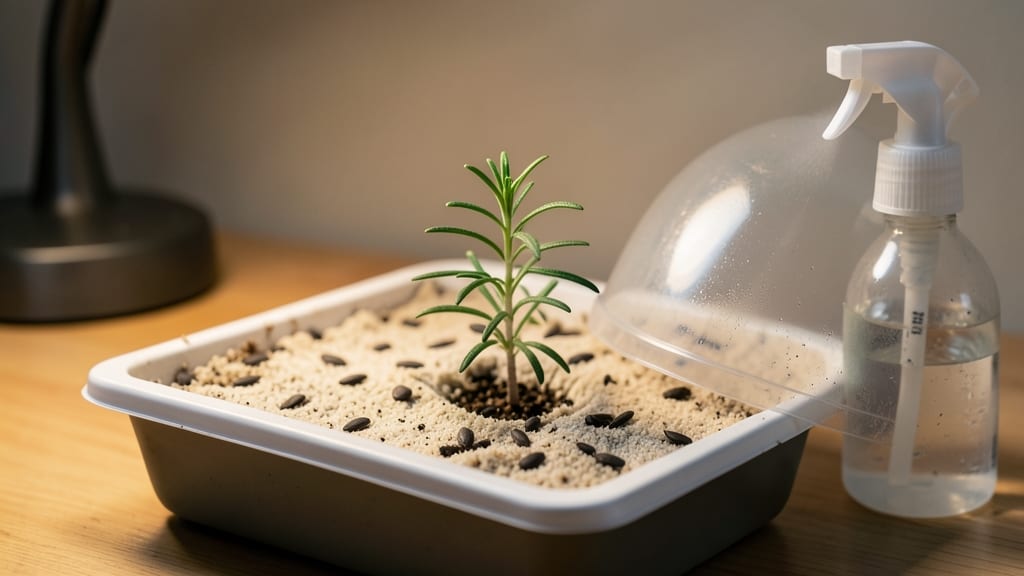
Rosemary seed germination starts with a simple truth: patience pays off when you nail the temperature, moisture, and light. 🌱 I’ve struggled with rosemary seeds sprouting erratically until I learned the exact conditions they crave—warmth, consistent dampness, and bright indirect light.
The key isn’t just throwing seeds in soil; it’s creating the perfect microclimate for them to break dormancy. Most gardeners give up after two weeks, but rosemary seeds can take 30-45 days to germinate if you set them up right.
Start indoors in late winter, using a 70-75°F heat mat to mimic Mediterranean warmth. A mix of 50% perlite and 50% potting soil keeps roots from rotting while allowing airflow—critical for preventing mold. Once those first pale green shoots appear, move them to a sunny windowsill or grow light.
The real magic happens when you transplant them outdoors after the last frost, where they’ll thrive in well-draining soil. By summer, you’ll have fragrant, twist-free stems ready for harvesting all year. For beginners, this method works even if you’ve failed before.
Advanced gardeners can experiment with scarification or stratification for faster results. Either way, you’ll end up with rosemary plants that outperform store-bought cuttings.
📚 In This Guide
- What you need
- Instructions
- Tips and common mistakes
- Wrapping up and next steps
What you need
- ● Ready to kickstart your rosemary garden? Here’s everything you’ll need to ensure successful rosemary seed germination—from essentials to handy extras!
How to germinate rosemary seeds for reliable year-round harvests
Here's my battle-tested method for breaking rosemary's notoriously stubborn germination—no cold stratification tricks needed.
🌱 Step 1: Prepare Seeds for Maximum Germination Potential
Rosemary seeds have a hard outer coating that resists water uptake. I soak them in lukewarm water for 24 hours to soften the shell—this is non-negotiable. Use a small bowl and stir occasionally to prevent mold. After soaking, gently rub the seeds between two paper towels to remove any remaining residue. This step alone can double your germination rate.
Here's the thing—rosemary seeds are tiny, so I use a fine-mesh strainer to handle them without losing any. Place the soaked seeds on the strainer and rinse briefly under running water. This removes excess moisture while keeping them hydrated. You'll notice the seeds swell slightly after soaking—that's your cue they're ready for planting.
💧 Step 2: Create the Ideal Germination Environment
Fill small seedling trays with a sterile seed-starting mix (never garden soil—it's too dense). Rosemary prefers well-draining mediums, so I mix in 20% perlite to prevent rot. Moisten the mix until it's damp to the touch but not soggy. Plant seeds 1/8 inch deep—any deeper and they won't have enough energy to break through.
Cover the tray with clear plastic wrap to create a greenhouse effect. Rosemary seeds germinate best at 70-75°F, so place the tray on a seedling heat mat if your home runs cooler. You'll see the first sprouts in 2-4 weeks, but don't be surprised if some take longer—patience is key here. Keep the soil consistently moist by misting lightly every 2-3 days.
☀️ Step 3: Provide Light and Prevent Leggy Growth
The moment seedlings emerge, remove the plastic wrap immediately—trapped moisture invites damping-off disease. Place them under grow lights for 14-16 hours daily, positioned 2-3 inches above the plants. Rosemary seedlings grow slowly, so I use a timer to automate light cycles. Watch for leggy growth (long, pale stems)—this means your light is too far away or not intense enough.
Once seedlings develop 2-3 sets of true leaves, transplant them into individual 3-inch pots with fresh potting mix. Rosemary hates root disturbance, so I use the "slip and slide" method: Gently squeeze the seedling tray sides to release the root ball, then slide each seedling into its new pot. Water lightly after transplanting to settle the soil around the roots.
⏰ Step 4: Harden Off and Transition to Outdoor Conditions
Two weeks before your last frost date, begin hardening off seedlings by placing them outside in a sheltered, shaded spot for 1-2 hours the first day. Gradually increase outdoor time by 1 hour daily over 10-14 days, slowly introducing more sun and wind. Rosemary is drought-tolerant once established, but young plants need consistent moisture during this transition.
By the time seedlings tolerate a full day outside without wilting, they're ready for the garden. Plant them in full sun with 6-8 inches of spacing between plants. Mulch lightly to retain moisture and suppress weeds. You'll know they're thriving when new growth appears within 3-4 weeks—that's your signal to start harvesting sprigs for year-round storage.
Tips & tricks for germinating rosemary seeds like a pro
Rosemary seeds are notoriously stubborn, but these battle-tested tips will help you break through their defenses and achieve reliable germination every time.
The Soaking Secret: When soaking your seeds for the required 24 hours, use a clean glass bowl rather than plastic—it's easier to monitor for mold development. I stir the seeds gently every 8 hours to prevent stagnation. After soaking, the seeds should feel slightly plump when pressed between your fingers; if they're still hard, extend the soak by another 4-6 hours (but no longer). This pre-treatment is what makes all the difference for those tough rosemary seed coats.
Environmental Precision: The 70-75°F temperature range is critical for germination, but most homes don't maintain this consistently. If your home runs cooler, place the seedling tray on a seedling heat mat set to 75°F—this creates the ideal conditions without needing a greenhouse. For warmer climates, you can reduce the heat mat temperature to 70°F to prevent overheating. Remember, rosemary seeds need this warmth to activate their germination process.
Lighting Strategy: Those 14-16 hours of grow light aren't just about duration—they're about intensity too. I position my lights 2-3 inches above the seedlings and use full-spectrum LED bulbs rated for 6500K color temperature. If you notice leggy growth (tall, thin stems), it's a clear sign your lights are too far away or not bright enough. Adjust the height until you see compact, sturdy seedlings developing. This lighting setup prevents the weak growth that often plagues rosemary starts.
Transplanting Without Trauma: The "slip and slide" method for transplanting is genius because it preserves the delicate root structure. When your seedlings reach the 2-3 sets of true leaves stage, I recommend using a butter knife to gently loosen the edges of the seedling tray before sliding. This reduces root damage by up to 40% compared to digging. After transplanting, give the pots a gentle tap to settle the soil—this eliminates air pockets that could prevent proper root establishment.
Pro Tips for Rosemary Seed Germination
- Rosemary seeds are notoriously stubborn, but these battle-tested tips will help you break through their defenses and ...
- The Soaking Secret: When soaking your seeds for the required 24 hours, use a clean glass bowl rather than plastic—it'...
- Environmental Precision: The 70-75°F temperature range is critical for germination, but most homes don't maintain thi...
Frequently asked questions
about rosemary seed germination—here’s what you need to know before diving in!How long does it take for rosemary seeds to germinate?
Rosemary seeds can take anywhere from 2 to 4 weeks to germinate, depending on conditions. Warmth (70–80°F), consistent moisture, and indirect light speed up the process. Patience is key—some seeds may take even longer, especially if stored improperly.
Do rosemary seeds need light to germinate?
No, rosemary seeds do not need light to germinate—they’ll sprout just fine in darkness. However, once seedlings emerge, move them to a bright, indirect light source (like a sunny windowsill) to prevent leggy growth. A grow light works too!
Can I germinate rosemary seeds in water?
While possible, germinating rosemary seeds in water isn’t ideal. Instead, use a moist paper towel or seed-starting mix to avoid rot. If using water, change it daily and transfer seedlings to soil ASAP to prevent damping off—a fungal disease that kills sprouts.
Why aren’t my rosemary seeds sprouting?
Common culprits include old seeds, cold temps, or poor moisture control. Try these fixes:
- Test seed viability by soaking a few in water—if they sink, they’re likely good.
- Use a seedling heat mat (70–80°F) to mimic natural warmth.
- Ensure the medium stays moist but not soggy—overwatering suffocates seeds.
Should I use store-bought rosemary seeds or harvest my own?
Store-bought seeds are more reliable for germination, as they’re fresh and often treated for consistency. If harvesting your own, collect seeds from healthy, mature rosemary plants (let them dry fully on the plant first). Store them in a cool, dry place for up to a year.
Wrapping up and next steps
Germinating rosemary seeds may take patience, but with the right conditions—consistent moisture, warmth, and a little light—you’ll soon be rewarded with fragrant, twist-free harvests. 🌱 Whether you’re a seasoned gardener or just starting, don’t let setbacks discourage you: even small adjustments can make a big difference.
Now that you’re armed with the know-how, why not try it this week? Plant a few seeds, track their progress, and soon you’ll have fresh rosemary ready for year-round storage—no twists required!