
Lawn
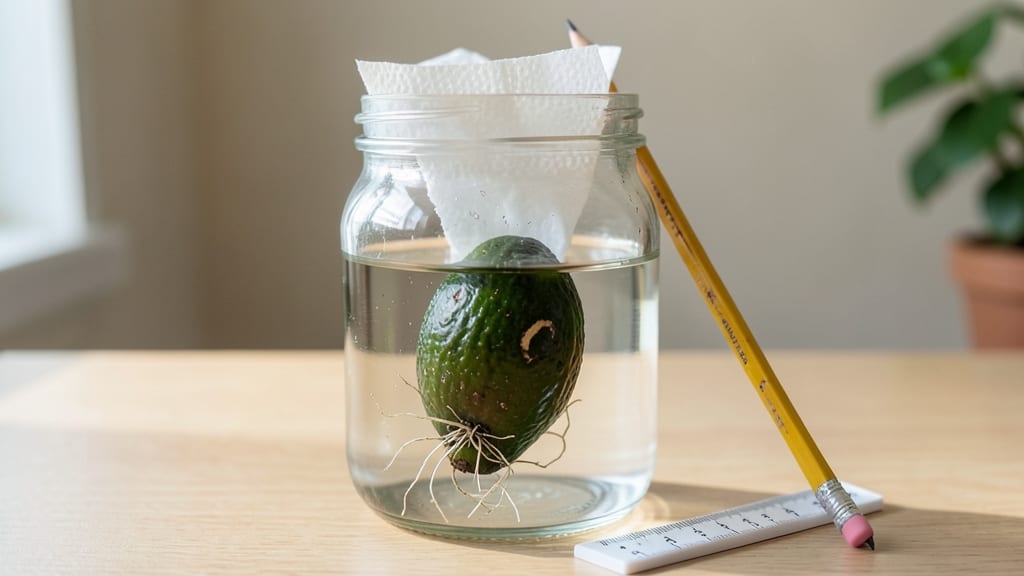
Rooting an avocado seed in water is the easiest way to grow a houseplant that actually thrives. 🌱 I’ve turned kitchen scraps into lush, leafy avocado trees—here’s how to do it without losing your seed to mold or weak roots.
The secret lies in patience, clean water, and a little science about what avocado seeds really need to sprout.
You only need three things: a fresh avocado seed (not too dry), a glass of water deep enough to submerge half the seed, and a few toothpicks to prop it up. No fancy tools, no green thumb required—just a sunny windowsill and a few weeks of waiting.
Most seeds start sprouting roots in 2-6 weeks, but some take months. The key? Changing the water every 2-3 days to keep it fresh and prevent bacteria.
Once you see 2-3 inch roots, it’s time to plant. Transfer the seed into well-draining potting mix (not garden soil) and keep it in bright, indirect light. Avoid direct sun at first—you want the plant to adjust, not crisp up.
Within a few months, you’ll have a 3-foot-tall sapling that’s ready for a bigger pot or even your garden (if you’re in a warm enough zone).
Here’s the catch: avocado trees grow slowly at first, but they’re worth it. They’ll need bright light, occasional pruning, and humidity to mimic their tropical roots.
And yes, you can grow fruit—but that takes years of care. Start now, and you might just have a living heirloom by next summer.
📚 In This Guide
- What you need
- Instructions
- Tips and common mistakes
- Wrapping up and next steps
What you need
- ● 1 fresh avocado seed – Choose a seed from a ripe, organic avocado (the larger, the better for better germination).
- ● 1 clean glass or jar – A clear container (8–16 oz) with a wide mouth works best (mason jars or large drinking glasses are ideal).
- ● Toothpicks or small skewers (3–4) – For suspending the seed (avoid metal if concerned about rust).
- ● Water – Room-temperature, filtered or tap water (chlorine-free if possible).
- ○ Paper towel or coffee filter (optional but helpful) – To cover the top of the water and reduce evaporation.
- ● Hydroponic nutrients or diluted seaweed extract – A pinch can boost root growth (use sparingly!).
- ● Grow light or sunny windowsill – If your seedling outgrows its water phase early.
- ● Small pot with drainage + potting soil – For transplanting once roots reach 2–3 inches.
- ● Label or marker – To track planting dates (trust us, it helps!).
Step-by-step guide to rooting an avocado seed in water
Here's how I've successfully rooted dozens of avocado seeds—no fancy tools needed.
🌱 Step 1: Prepare Your Avocado Seed for Rooting
Start with a fresh avocado pit—never one that's been refrigerated for weeks. Rinse it under cool water to remove any leftover fruit. I like to use a butter knife to carefully slice off the pointed top (about ¼ inch down), exposing the nut inside. This is where the root will emerge.
Remove the seed from the pit by gently scraping away the brown outer layer with your knife. You'll see a smooth, creamy white seed underneath—this is your starting point. Don't worry if it's slightly damaged; avocado seeds are tough and resilient.
💧 Step 2: Set Up Your Water Rooting Station
Fill a small glass or jar with enough water to cover about 1 inch of the seed's bottom. I use a clear container so I can monitor water levels and root growth. Place 3-4 toothpicks around the seed, spacing them evenly, and gently insert them so they hold the seed upright with just the tip submerged.
Change the water every 2-3 days to prevent bacterial growth. You'll notice the seed starts to sink as the root grows—this is normal. Keep the container in a warm spot (around 70-75°F) where it gets bright, indirect light (like an east-facing windowsill). Direct sun will overheat the water.
🌿 Step 3: Wait for Roots to Develop
After about 2-4 weeks, you'll see tiny white roots emerging from the bottom of the seed. These roots will grow rapidly—sometimes up to 1 inch per week—so check them often. Once the roots reach 3-4 inches long, they're ready for the next step.
Here's the thing—don't rush this process. If the roots grow too long before transplanting, they can become tangled or weak. I've found that waiting until they reach 3 inches gives the best balance of strength and manageability for potting.
⏰ Step 4: Transition to Soil
When roots are 3-4 inches long, prepare a small pot with well-draining potting mix. I like to mix regular potting soil with 20% perlite to improve drainage. Fill the pot halfway, then gently place the rooted seed on top of the soil with the roots hanging down.
Cover the roots with soil, leaving the top half of the seed exposed. Water lightly until the soil is moist but not soggy. Place the pot in bright, indirect light and keep the soil consistently moist (not waterlogged). You'll see new leaves emerge within 4-6 weeks—that's your signal everything is working!
☀️ Step 5: Care for Your Young Avocado Plant
Once your avocado seedling has 3-4 true leaves, you can gradually introduce it to more sunlight. Start with 2-3 hours of morning sun and slowly increase exposure over 2 weeks. Too much direct sun too soon will scorch the delicate leaves.
Water when the top inch of soil feels dry—avocado plants hate soggy roots. I've learned the hard way that overwatering leads to root rot, so I always check moisture levels before adding more water. Fertilize lightly with a balanced houseplant fertilizer every 2 months during the growing season.
Tips & tricks for perfect avocado seed germination
Between us, avocado seed germination is one of those magical processes where patience pays off—but only if you set it up right. These small tweaks make all the difference between a thriving seedling and a sad, moldy experiment.
Seed Selection: Here's what nobody tells you—pick the fattest, heaviest avocado pit you can find. I've tried skinny seeds, and they just don't have the same staying power. The larger the seed, the more energy it stores for germination. Also, avoid seeds from organic avocados—they often have thinner shells that dry out faster.
Water Quality Matters: Tap water works fine, but if your water has chlorine or heavy minerals, the roots might struggle. I've had best success using filtered or distilled water, especially in areas with hard water. Change that water every 2-3 days as instructed—this prevents bacterial growth that can rot your roots before they even start.
Light Positioning: That east-facing windowsill isn't just a suggestion—it's critical. South-facing windows can get too hot, while north-facing ones might not provide enough light. I've learned this the hard way after watching seedlings stretch painfully toward weak light. If you don't have an east window, a grow light on a timer (12-14 hours daily) works beautifully as an alternative.
Root Development Watch: The 3-inch root length isn't arbitrary—it's the sweet spot where roots are strong enough to handle transplanting but haven't become tangled messes. I check root growth every few days by gently lifting the seed (don't pull!) and measuring against a ruler. If roots reach 4 inches too quickly, they might need transplanting sooner than the 2-4 week window suggests.
Pro Tips for Rooting An Avocado Seed In Water
- Between us, avocado seed germination is one of those magical processes where patience pays off—but only if you set it up right.
- Seed Selection: Here's what nobody tells you—pick the fattest, heaviest avocado pit you can find.
- Water Quality Matters: Tap water works fine, but if your water has chlorine or heavy minerals, the roots might struggle.
Frequently asked questions
Got questions about growing an avocado tree from a seed? You’re not alone! Here are the most common queries—and their answers—to help you root your avocado seed like a pro.
How long does it take for an avocado seed to sprout roots?
Patience is key! Most avocado seeds start showing roots in 2–6 weeks, depending on temperature (ideal: 70–85°F) and seed health. Keep the seed submerged in 1–2 inches of water, changing it every 2–3 days to prevent mold. If nothing happens after 8 weeks, try a fresh seed or check for rot.
Can I use tap water, or do I need filtered water?
Tap water is usually fine, but chlorine or fluoride can slow germination. If your water tastes strongly of chlorine, let it sit uncovered for 24 hours before using. Rainwater or filtered water is best for faster, healthier root growth. Avoid distilled water—it lacks minerals that support root development.
What do I do if my avocado seed starts to rot?
Rot is a common issue—here’s how to fix it: Remove the seed immediately from the water, trim any mushy, dark areas with a clean knife, and let it dry for 1–2 days. Reposition it in fresh water (only the bottom third submerged) and ensure good airflow. If the seed smells foul or turns black, it’s likely too far gone—start with a new seed!
Do I need to keep the seed in water forever?
Nope! Once roots reach 2–3 inches, it’s time to plant it in soil. Choose a pot with drainage holes, bury the root end 1/3 of the way, and keep the soil moist (not soggy). The seed will sprout a stem in 4–8 weeks. Keep the pot in bright, indirect light until the plant is sturdy enough for outdoor conditions.
Can I root an avocado seed without water?
Yes! If you’re short on time or want to try a different method, you can plant the seed directly in soil (root end down, half-buried) and keep it lightly moist. However, water rooting is faster and more reliable for beginners. Another option: Toothpick suspension—balance the seed over a glass of water (root end submerged) to avoid rot while still encouraging growth.
Wrapping up and next steps
Rooting an avocado seed in water is a rewarding and simple way to grow your own plant—perfect for beginners!
With patience and the right care, you’ll soon see strong roots and a thriving seedling ready to plant. Once your roots reach 2-3 inches, it’s time to transfer your avocado to soil and watch it grow into a lush houseplant! 🌱
🌟 Next Steps:
- Choose a well-draining potting mix for your new avocado plant.
- Keep it in bright, indirect light and maintain consistent moisture.
- Celebrate your green thumb—you’re officially a plant parent! 🎉