
Lawn
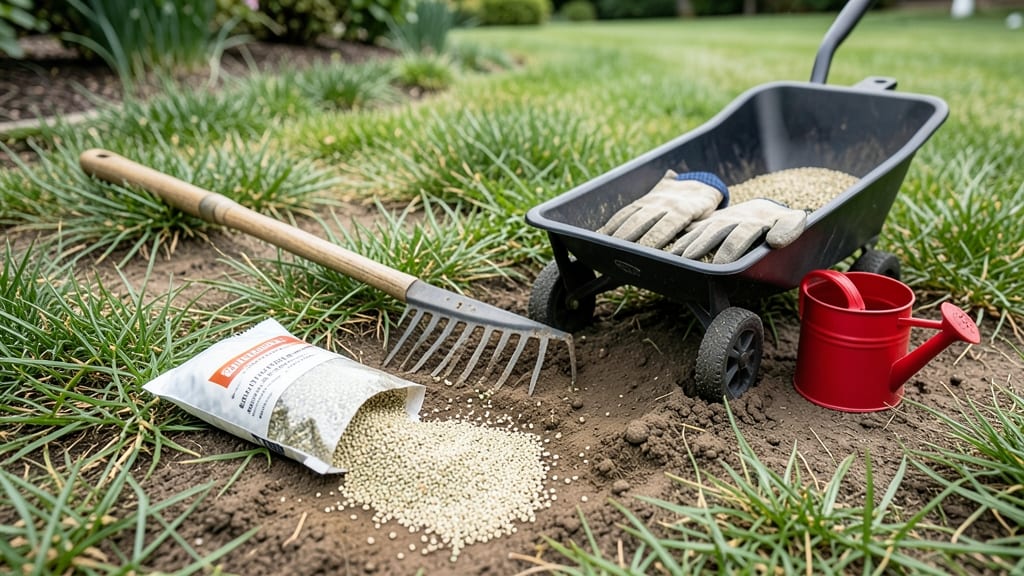
Fall is the secret weapon for a lush spring lawn—reseeding grass in fall gives seeds time to root deep before winter, while avoiding summer heat stress. 🌱 I’ve watched bare patches transform into thick, green carpets by spring just by timing this right, and it’s not as tricky as you’d think.
The magic happens between late August and early October when soil stays warm enough for germination but temperatures cool for root growth. You’ll need a rake, quality grass seed (cool-season blends work best), and a light layer of straw to protect new sprouts.
Skip the fancy tools—this is about prep, not perfection.
Within 3-4 weeks, you’ll see fine green blades pushing through the soil, and by spring, your lawn will be so dense weeds can’t get a foothold. The key? Watering deeply twice daily until seeds sprout, then tapering off to encourage strong roots.
Works for any climate with cool seasons—just adjust timing slightly north or south. Northern gardeners start earlier; Southerners wait until September. Here’s how to make it happen without the guesswork.
📚 In This Guide
- What you need
- Instructions
- Tips and common mistakes
- Wrapping up and next steps
What you need
- ● Grass seed: Choose a cool-season blend (e.g., fescue, ryegrass, or bluegrass) suited to your climate. Quantity: 4–8 lbs per 1,000 sq ft (check seed bag for coverage rates).
- ● Lawn rake: A bendable-tine rake (for aerating) or a stiff-bristle rake (for leveling).
- ● Broadfork or aerator: Manual or mechanical, to loosen soil 2–3 inches deep.
- ○ Soil test kit: Optional but highly recommended—adjust pH (ideal: 6.0–7.0) and amend soil with lime or sulfur if needed.
- ● Compost or topsoil: ¼–½ inch layer to improve seed-to-soil contact.
- ● Starter fertilizer: Low-nitrogen, high-phosphorus (5-10-10 ratio) to boost root growth. Apply ½ lb per 1,000 sq ft.
- ● Water source: Hose with gentle spray nozzle or sprinkler system.
- ○ Straw or netting: ¼–½ inch thick to protect seed from birds and erosion (optional but helpful in windy areas).
- ● Seed spreader (broadcast or drop) for even coverage.
- ● Soil pH tester for quick adjustments.
- ● Post-seeding mulch (straw or peat moss) to retain moisture.
- ● Lawn roller (lightweight) to press seed into soil gently.
- ● Weed blocker or pre-emergent (apply 4–6 weeks before seeding to prevent weeds).
Step-by-step instructions for reseeding grass in fall
Fall is the perfect time to revive your lawn—here’s how to get thick, cold-hardened roots before winter.
🌱 Step 1: Prepare the Soil for Seeding
Start by mowing your lawn as short as possible—about 1 inch—to create an ideal seedbed. This exposes the soil to sunlight and air, helping seeds make better contact. Next, use a rake to remove any debris or thatch, then loosen the top ¼ inch of soil with a garden rake or scarifier. You’ll see the soil turn slightly rough—this texture is perfect for seed-to-soil contact.
If your lawn has bare patches, lightly scratch the soil with a hand rake or a specialized lawn aerator to create small furrows. This helps seeds nestle just below the surface without being buried too deep. Water the area lightly afterward to settle the soil—you want it damp but not soggy, like a wrung-out sponge.
💧 Step 2: Choose and Spread Grass Seed
Pick a high-quality grass seed blend suited to your climate and sunlight conditions. For cool-season grasses (like fescue or ryegrass), spread ½ pound of seed per 100 square feet using a broadcast spreader. Walk in a crisscross pattern to ensure even coverage—you’ll notice some areas look slightly darker than others, but that’s okay as long as there are no bare spots.
After spreading, lightly rake the seed into the soil with a stiff-bristled rake. This buries the seeds just enough to protect them from birds and wind while keeping them close to the surface for quick germination. Avoid raking too deeply—you want seeds no deeper than ¼ inch, or they’ll struggle to push through.
☀️ Step 3: Water and Maintain Moisture
Water the seeded area immediately after planting, keeping the soil consistently moist for the first 2-3 weeks. Use a gentle sprinkler or soaker hose to apply ¼ inch of water daily. You’ll know you’re doing it right when the top inch of soil stays damp but doesn’t form puddles. Overwatering can wash away seeds or cause them to rot.
Once the grass reaches about 2-3 inches tall, gradually reduce watering to ½ inch per week. This helps the roots establish deeply before winter. Avoid walking on the new grass until it’s firmly rooted—you’ll know it’s ready when you can’t pull up individual blades without resistance.
⏰ Step 4: Fertilize and Protect Before Winter
About 6-8 weeks after seeding, apply a slow-release, low-nitrogen fertilizer to strengthen the roots. Look for a fertilizer with a ratio like 10-0-10 or 12-0-12 to encourage root growth without promoting top growth too soon. Spread it evenly with a spreader, then water lightly to help it absorb into the soil.
As winter approaches, keep the lawn lightly watered if there’s no rain—¼ inch every 2-3 weeks is enough. Avoid heavy foot traffic or mowing until spring, as this protects the young roots from damage. By next spring, you’ll have a lush, thick lawn ready to take center stage.
Tips & tricks for perfect fall grass reseeding
Fall lawn revival isn't rocket science, but these small adjustments make all the difference between patchy results and a lush spring lawn.
Soil Prep Secret: After mowing to that 1-inch height, take an extra minute to run your fingers over the soil—you should feel tiny ridges where the rake loosened the top ¼ inch. If it feels smooth like a parking lot, go back and rough it up again. Those tiny grooves help seeds grip the soil better, especially on windy days. I've seen seeds blow away completely when the soil was too smooth after mowing.
Seed Placement Strategy: When you're doing that final light raking after spreading, think "light dusting" not "deep burial." The seeds should barely disappear—just enough to protect them from birds while still letting sunlight reach them. I learned this the hard way when my first attempt buried seeds too deep, and they took weeks longer to sprout. A good test: if you can still see individual seeds after raking, you're good to go.
Watering Wisdom: That daily ¼-inch watering for 2-3 weeks is non-negotiable, but timing matters just as much. Water in the early morning so the grass has all day to dry—wet grass overnight attracts slugs and fungal diseases. I set my sprinkler on a timer for 15 minutes each morning, which gives me exactly that ¼-inch without overdoing it. And never water when rain is forecast—let nature do the work!
Pro Tips for Reseed Grass In Fall
- Fall lawn revival isn't rocket science, but these small adjustments make all the difference between patchy results and a lush spring lawn.
- Soil Prep Secret: After mowing to that 1-inch height, take an extra minute to run your fingers over the soil—you should feel tiny ridges where the rake loosened the top ¼ inch.
- Seed Placement Strategy: When you're doing that final light raking after spreading, think "light dusting" not "deep burial."
Frequently asked questions
Got questions about reseding your lawn in the fall? You’re not alone! Here are answers to the most common concerns to help you get started with confidence.
When is the exact best time to reseed grass in the fall?
The ideal window is 4–6 weeks before your first hard frost—typically late August to early October in most U.S. regions. This gives seeds time to germinate and establish roots before winter dormancy. Check your USDA Plant Hardiness Zone for local timing tips!
Can I still reseed if frost has already hit?
If frost has arrived, hold off until spring—but if it’s just a light frost, you may still have time! Monitor nighttime temps: seeds need consistent soil temps above 50°F (10°C) to sprout. If frost is frequent, wait until spring for better success.
Is fall reseding cheaper than spring?
Yes! Fall seeding often costs less because:
- Fewer labor demands (lawn pros aren’t as busy).
- Lower seed prices (stocks are higher before winter).
- Reduced weed competition = fewer herbicide treatments needed.
What if my lawn has weeds? Can I still reseed in the fall?
Weeds aren’t a dealbreaker! Pre-treat with a non-selective herbicide (like glyphosate) 2–4 weeks before seeding to kill existing weeds. For stubborn broadleaf weeds, spot-treat with vinegar or a targeted herbicide after seeding. Pro tip: Use a pre-emergent herbicide in early spring next year to prevent new weeds.
Should I overseed or reseed my entire lawn?
Choose overseeding (spreading seed over existing grass) for thin patches or full reseding if your lawn is <50% healthy. Overseeding is faster and cheaper ($0.10–$0.50/sq ft), while full reseding ($0.50–$1.50/sq ft) gives you a fresh start. Test a small area first to see what works best!
Do I need to rent a spreader, or can I just broadcast seed by hand?
Hand-broadcasting works for small lawns (<500 sq ft), but a drop or broadcast spreader ensures even coverage for larger areas. Rent one for ~$50–$75 or buy a used model for ~$100. Key tip: Calibrate your spreader to avoid clumping—walk in overlapping passes for consistency!
Wrapping up and next steps
Fall is your golden opportunity to transform a patchy lawn into a lush, vibrant carpet—and now you’ve got the know-how!
By reseeding in cooler weather, you’re giving your grass the best shot at deep, cold-hardened roots that’ll thrive when spring rolls around. Your effort today means a greener, stronger lawn tomorrow!
Ready to take the next step? Mark your calendar for a crisp autumn weekend, gather your supplies, and roll up your sleeves—your future lawn will thank you! 🌱 For extra confidence, check out local extension office guides or join a gardening forum to swap tips with fellow green thumbs.