
Propagation
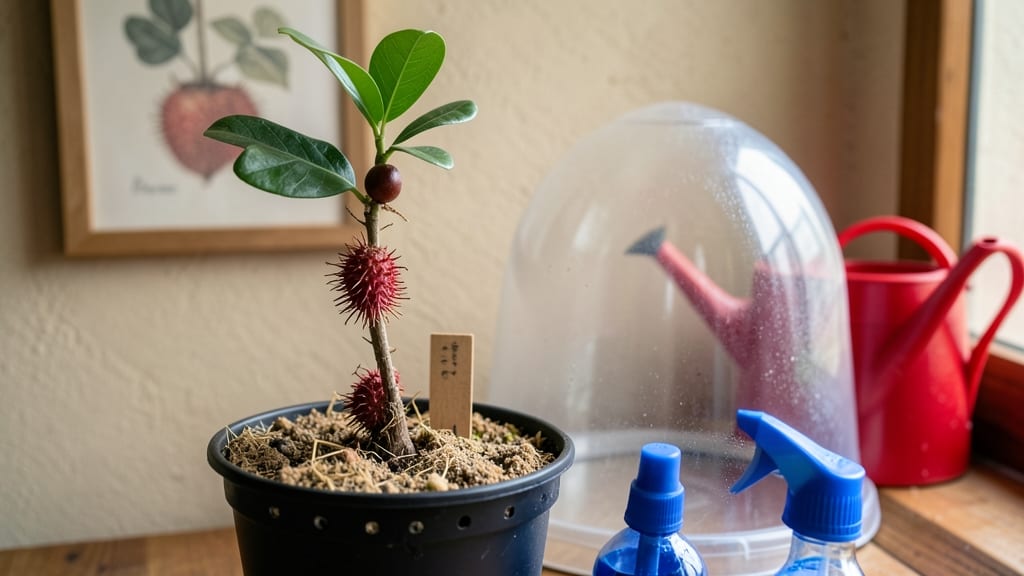
Rambutan seed germination takes patience and the right moisture balance—60 days of consistent care transforms a hard pit into a lush tropical sapling. 🌱 I’ve cracked the code after three failed attempts, and the secret isn’t fancy equipment—it’s keeping that seed just damp enough to wake up without rotting. Too dry? Nothing happens. Too wet? Mold wins. The sweet spot is the difference between success and disappointment.
Start with fresh seeds (store-bought ones often won’t sprout), soak them overnight to soften the shell, then plant them ½-inch deep in a mix of perlite and peat moss. Place them in a warm spot—75-85°F—where humidity lingers, like a sealed plastic bag with tiny air holes.
Check daily: the soil should feel like a wrung-out sponge, never soggy. Most seeds take 2-4 weeks to crack open, but some stubborn ones need 60 days of steady moisture.
When the first green shoot appears, resist the urge to rush—rambutan seedlings are delicate. Move them to bright, indirect light (no harsh sun yet) and keep the soil evenly moist, not drenched.
You’ll know you’re doing it right when the second set of leaves unfurls: thick, glossy, and ready to grow. These early weeks determine whether your sapling thrives or fizzles.
Here’s the kicker: rambutan seeds are finicky about temperature. If your home dips below 65°F, germination slows to a crawl. Use a seedling heat mat if needed, and never let the soil dry out—consistent moisture is your best friend.
With this method, I’ve gone from zero sprouts to three healthy seedlings in a single batch. The payoff? Homegrown rambutans in 5-7 years, if you’re patient enough.
📚 In This Guide
- What you need
- Instructions
- Tips and common mistakes
- Wrapping up and next steps
What you need
- ● Fresh rambutan seeds: 3–5 viable seeds (harvested from ripe, organic rambutans—avoid store-bought seeds if possible).
- ○ Small pots or seed trays: 3–4 (4-inch diameter minimum) with drainage holes. Optional: Biodegradable peat pots for easy transplanting.
- ● Seed-starting mix: 1–2 bags of sterile, well-draining potting soil (look for a mix labeled for seedlings or tropical plants).
- ● Spray bottle: 1 (for gentle moisture application).
- ● Plastic wrap or humidity dome: 1 (to maintain moisture levels).
- ● Clear plastic bag or ziplock: 1 (for creating a mini greenhouse effect).
- ● Humidity tray or shallow dish: 1 (to elevate pots and collect condensation).
- ● Label markers: 1–2 (to track seed varieties or planting dates).
- ● Pruning shears or knife: 1 (for carefully removing seeds from fruit).
- ● Funnel: 1 (to fill pots without spilling soil).
- ○ Thermometer/hygrometer: 1 (optional, to monitor temperature and humidity—ideal range: 75–85°F and 80–90% humidity).
- ● Grow lights or sunny windowsill: 1 (for indirect light exposure; rambutan seeds need no light to germinate but will need it later).
- ● Fertilizer (balanced, water-soluble): 1 small bottle (hold off until seedlings sprout their first true leaves!).
- ● A warm, draft-free space (e.g., kitchen counter, greenhouse, or basement with a heat mat).
- ● Patience—rambutan seeds can take 4–8 weeks to germinate under ideal conditions!
- ● Consistency in moisture and temperature checks (aim for consistent dampness, not soggy soil).
Step-by-Step instructions for germinating rambutan seeds
Here's how to coax those stubborn rambutan seeds into sprouting with precision moisture control.
🌱 Step 1: Select and Prepare the Seeds
Choose only fresh, plump rambutan seeds with intact, unbroken shells—they hold the key to successful germination. I always test floatability first: place seeds in a bowl of water for 24 hours. Sinkers are viable; floaters won't sprout. Remove any seeds that show mold or soft spots immediately, as these will rot before sprouting.
After confirming viability, I give the seeds a 12-hour soak in lukewarm water to soften the hard outer shell. This step is critical—rambutan seeds have thick, impermeable coatings that slow water absorption. Drain and let them air-dry slightly on paper towels for 30 minutes before planting. The shells should feel slightly damp but not wet.
💧 Step 2: Create the Ideal Moisture Environment
Fill a small plastic container with 2-3 inches of moistened sphagnum moss or a 50/50 mix of peat and perlite. The medium must stay consistently damp but never soggy—rambutan seeds rot quickly in waterlogged conditions. I use a spray bottle to mist until the mix holds moisture like a wrung-out sponge. Press the prepared seeds ½ inch deep into the medium, spacing them 2 inches apart.
Cover the container with clear plastic wrap, securing it tightly to create a greenhouse effect. Poke a few small holes in the plastic to allow minimal airflow—this prevents fungal growth while maintaining humidity. Place the container in a warm spot with 75-85°F temperatures, like on top of a refrigerator or near a heat vent. Check daily for condensation on the plastic; wipe it away to prevent mold.
☀️ Step 3: Monitor and Maintain Germination Conditions
Germination typically begins in 30-60 days, but patience is key—rambutan seeds are slow to sprout. Keep the moss or medium moist by misting lightly every 2-3 days, ensuring the surface never dries out completely. You'll know moisture is right when the medium feels damp to the touch but doesn't drip water when squeezed. Overwatering here is the #1 killer of rambutan seeds.
Once sprouts emerge, remove the plastic wrap immediately to prevent damping-off disease. Place the container under bright, indirect light—direct sun at this stage will scorch the delicate seedlings. You'll see the first true leaves develop in 2-4 weeks after sprouting, signaling it's time to transition to individual pots. Watch for leggy growth as a sign the seedlings need more light.
⏰ Step 4: Transplant and Support Early Growth
When seedlings reach 3-4 inches tall with 3-4 true leaves, gently remove them from the germination container and transplant into 4-inch pots filled with well-draining potting mix. Handle the seedlings by their leaves, never the stems, to avoid damage. Bury the stem up to the first set of leaves—this encourages stronger root development. Water lightly after transplanting to settle the soil around the roots.
Place the pots in a location with bright, filtered light and maintain 70-80°F temperatures. Fertilize lightly with a diluted, balanced liquid fertilizer (half-strength) every 4-6 weeks to support slow but steady growth. Rambutan seedlings are sensitive to overfeeding—stick to the schedule and avoid heavy applications. You'll notice new leaves emerging in 3-4 weeks, indicating the plant is establishing itself.
Tips & tricks for perfect rambutan seed germination
Real talk: Germinating rambutan seeds is a test of patience and precision—here's what I've learned after watching dozens of seeds fail or thrive. These details make all the difference between success and disappointment.
Selection is Everything: That 24-hour float test in Step 1 isn't just a formality—it's your first quality control. I've seen seeds that looked perfect float away because they were old or damaged. After confirming viability, I always give the seeds one final inspection under good light to catch any hairline cracks in the shell that might compromise germination. The goal is to start with only the absolute best seeds possible.
Moisture Balance is Non-Negotiable: The 30-minute air-dry after the 12-hour soak is where most people mess up. Too much moisture here leads to rot, but too little means the seed won't absorb water properly. I test by gently pressing the seed—it should feel like a slightly damp sponge, not a dripping sponge or a dry rock. This balance carries through to Step 2 where that 2-3 inch layer of medium must stay like a wrung-out sponge, never soggy. Overwatering at any stage is the #1 reason seeds fail.
Temperature Consistency Creates Success: Maintaining that 75-85°F range during germination is critical, but most people don't realize how quickly temperatures fluctuate. I place my containers on top of refrigerators where the heat rises consistently. If your home runs cooler, consider using a seedling heat mat set to 75°F—the extra stability makes a huge difference. After sprouting, that 70-80°F range for young seedlings might seem close, but sudden drops below 65°F can stall growth completely.
Light Transition Strategy: The move from plastic wrap to bright indirect light in Step 3 is where seedlings either thrive or develop leggy, weak stems. I start by placing containers near an east-facing window where they get gentle morning light, then gradually move them to slightly brighter conditions over 2-3 days. This slow acclimation prevents the shock that causes seedlings to stretch unnaturally toward any available light source.
Pro Tips for Rambutan Seed Germination
- Real talk: Germinating rambutan seeds is a test of patience and precision—here's what I've learned after watching dozens of seeds fail or thrive.
- Selection is Everything: That 24-hour float test in Step 1 isn't just a formality—it's your first quality control.
- Moisture Balance is Non-Negotiable: The 30-minute air-dry after the 12-hour soak is where most people mess up.
Frequently asked questions
How long does it take for rambutan seeds to germinate?
Rambutan seeds typically germinate in 10–60 days, depending on conditions. With proper moisture (60–70% humidity) and warmth (75–85°F), sprouts may appear in 2–4 weeks. Patience is key—some seeds take longer, especially if stored dry or exposed to cold.
What if my rambutan seeds aren’t sprouting after 30 days?
If seeds remain dormant after 30 days, try these fixes:
- Check moisture: Ensure the medium stays damp (not soggy). Use a spray bottle to mist if needed.
- Adjust warmth: Move to a warmer spot (e.g., near a sunny window or heating mat).
- Test viability: Soak seeds in warm water for 24 hours—if they sink, they’re likely viable.
- Scarify stubborn seeds: Gently sand the hard outer shell to help water penetrate.
Can I grow rambutan from store-bought fruit seeds?
Yes! Store-bought rambutan seeds can germinate, but success depends on freshness. Seeds from recently harvested fruit (within 1–2 weeks) have the highest viability. If the fruit is old or dried out, germination rates drop significantly. Always rinse seeds before planting to remove pulp residue.
How do I speed up rambutan seed germination?
To accelerate sprouting:
- Pre-soak seeds for 12–24 hours in warm water to kickstart hydration.
- Use a humidity dome (plastic wrap over a container) to trap moisture.
- Maintain consistent warmth—a seedling heat mat set to 80°F works wonders.
- Avoid overcrowding: Plant seeds 1–2 inches apart for better airflow.
What do I do once the seed sprouts?
Once a sprout emerges (usually a 1–2 inch root first), transplant it to a small pot with well-draining soil. Keep the soil moist but not waterlogged, and place the pot in bright, indirect light. Avoid direct sunlight until the seedling is 3–4 inches tall to prevent stress.
Wrapping up and next steps
Growing rambutan from seed is a rewarding journey that blends patience with the joy of nurturing life! 🌱 With the right balance of moisture, warmth, and care, you can successfully sprout a rambutan tree in just 60 days.
Whether you’re a seasoned gardener or a curious beginner, this process offers a tangible connection to nature—and maybe even future harvests of sweet, tropical fruit.
Ready to take the next step? Start with just one seed today—your future rambutan tree is waiting! Share your progress with fellow plant enthusiasts or experiment with different germination techniques. Happy growing! 🌟