
Propagation
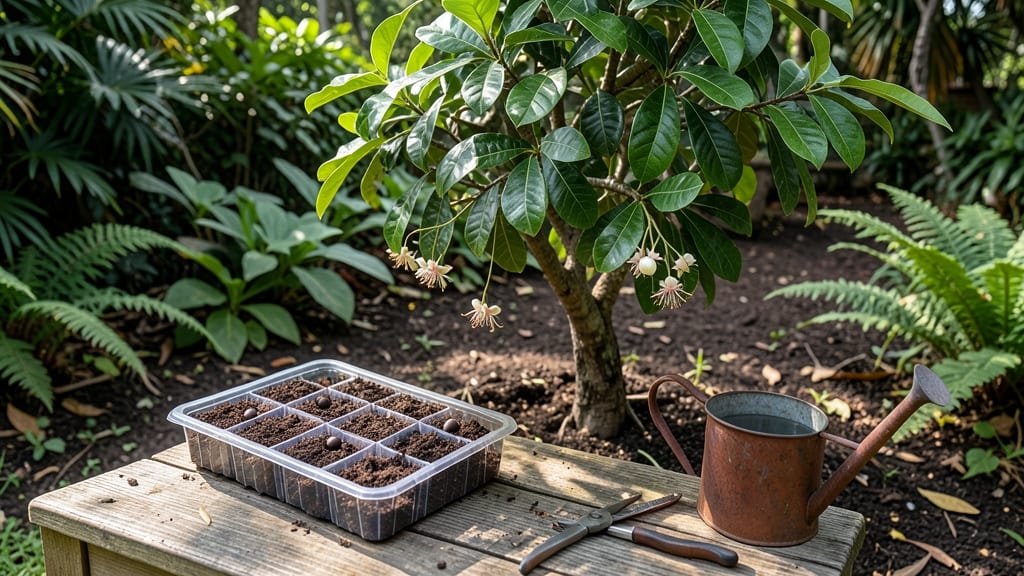
Growing rambutan from seed is your ticket to a tropical fruit tree that could bear fruit in just six months—though honestly, the first harvest might take years. 🌱 I’ve tried this twice, and while germination isn’t always reliable, the payoff of watching those spiky, hair-like fruits develop makes it worth the wait.
The key is patience and the right conditions, because rambutan seeds are picky about how you treat them.
You’ll need a few simple supplies: fresh rambutan seeds (the ones with the best chance of germinating), a warm spot with bright, indirect light, and a mix of potting soil that drains well but stays slightly moist.
Stratification—a short cold treatment—can help break dormancy, but even without it, some seeds will sprout if you’re lucky. The trick is keeping the soil consistently warm, around 75–85°F, because rambutan seeds hate cold drafts.
Once those first leaves appear, you’ll be hooked—literally. Seedlings grow slowly at first, but with the right care (like regular watering and occasional fertilizer), they’ll develop into sturdy young trees in 6–12 months.
The real magic happens when you start seeing new growth, though fruiting can take 5–10 years depending on the seed’s genetics. That’s the catch: rambutan trees from seed aren’t guaranteed to produce fruit like their parent, but the journey is half the fun.
Fair warning: not every seed will germinate, and even if it does, the tree might take years to mature. But if you’re up for the challenge, this project turns your home into a mini tropical paradise—one spiky green fruit at a time. Let’s get those seeds sprouting!
📚 In This Guide
- What you need
- Instructions
- Tips and common mistakes
- Wrapping up and next steps
What you need
- ● Rambutan seeds: 3–5 fresh, plump seeds (harvested from ripe rambutan fruit). Pro tip: 💡 Store seeds in a damp paper towel in the fridge (40°F–50°F) for 2–4 weeks to break dormancy.
- ○ Well-draining potting mix: 1 bag (1–2 cubic feet) of a blend like 50% coconut coir, 30% perlite, and 20% compost. Optional: Add 1 tbsp of mycorrhizal fungi for faster root growth.
- ● Small pots or seed trays: 3–5 biodegradable pots (3–4 inches in diameter) or a seed tray with cell inserts.
- ● Clear plastic wrap or humidity dome: To create a mini greenhouse effect.
- ● Spray bottle: For gentle watering (avoid over-saturating seeds).
- ● Grow lights or sunny windowsill: A full-spectrum LED grow light (12–16 hours/day) or a south-facing window with direct sunlight (6+ hours/day).
- ● Fertilizer: 1 bottle of balanced liquid fertilizer (e.g., 10-10-10) or organic options like fish emulsion.
- ● Pruning shears: Small, sharp pair for future trimming (sterilize with rubbing alcohol).
- ● Seedling heat mat: (70°F–80°F) to speed up germination (especially in cooler climates).
- ● pH meter: To test soil pH (ideal range: 5.5–6.5 for rambutan).
- ● Humidifier: If your home has dry air (rambutan seeds love humidity!).
- ● Larger nursery pot: (1–2 gallons) for transplanting once seedlings are 6–8 inches tall.
- ● Epsom salt: (1 tsp in 1 gallon of water) for magnesium boost during early growth.
Step-by-step instructions for growing rambutan from seed
Here's how to start your rambutan tree from seed and nurture it into a thriving tropical plant.
🌱 Step 1: Extract and Prepare the Seed
Rambutan seeds are encased in a hard, fibrous shell. Start by carefully removing the seed from the fruit—it's the large, brown, oval-shaped pit inside. Rinse the seed under cool water to remove any remaining fruit pulp. The key here is to avoid damaging the seed's outer shell, as it protects the delicate embryo inside.
Place the seed in a small container with lukewarm water for 24-48 hours. This soaking softens the outer shell and kickstarts the germination process. You'll know it's ready when the seed feels slightly softer to the touch and the water turns slightly cloudy. Change the water halfway through if it becomes murky.
💧 Step 2: Plant the Seed in a Moist Growing Medium
Fill a small pot—about 4-6 inches deep—with a well-draining mix of 50% peat moss and 50% perlite or coarse sand. This blend ensures the seed won't rot from excess moisture while still staying hydrated. Moisten the mix until it feels damp like a wrung-out sponge, but not soggy.
Plant the seed about 1 inch deep, placing it horizontally rather than vertically. The seed's flat side should face downward, and the pointed end should angle slightly upward. Cover it lightly with the growing medium, leaving just a tiny bit of the seed exposed. Gently pat the soil around it to secure it in place.
☀️ Step 3: Provide Warmth, Humidity, and Indirect Light
Rambutan seeds thrive in warmth, so place the pot in a location where the soil stays consistently between 75-85°F. A seedling heat mat or a warm spot near a sunny window can help maintain this temperature. Cover the pot with a clear plastic bag or humidity dome to trap moisture—rambutan seeds need high humidity to germinate.
Keep the seed in bright, indirect light for 4-8 weeks until you see the first signs of sprouting. Avoid direct sunlight, which can overheat the seed and dry out the soil too quickly. Check the soil daily and mist it lightly with water if the surface feels dry to the touch. Once the seedling emerges, remove the plastic cover immediately to prevent fungal growth.
🌿 Step 4: Transplant and Care for the Seedling
When the seedling reaches about 4-6 inches tall and develops its first true leaves, it's time to transplant it into a slightly larger pot—around 6-8 inches in diameter. Use the same well-draining mix to fill the new pot, and water the seedling thoroughly before transferring it. Gently remove the seedling from its original pot, keeping the root ball intact to avoid disturbing the delicate roots.
Place the pot in a location with bright, filtered sunlight, such as a shaded patio or under a sheer curtain. Rambutan seedlings need protection from harsh sunlight, which can scorch their tender leaves. Water the seedling when the top 1-2 inches of soil feel dry, ensuring the pot has drainage holes to prevent waterlogging. Fertilize lightly with a balanced, water-soluble fertilizer every 4-6 weeks to encourage healthy growth.
⏰ Step 5: Gradually Acclimate to Outdoor Conditions
After 3-4 months, when the seedling is sturdy and has several sets of leaves, it's ready to spend time outdoors. Start by placing it in a sheltered spot—like under a tree or on a covered patio—for 1-2 hours daily. Gradually increase its outdoor time over 2-3 weeks, allowing it to adapt to wind, sun, and temperature fluctuations.
Once the seedling can handle a full day outside without wilting, you can move it to its permanent outdoor location. Rambutan trees thrive in USDA zones 10-12 and need protection from frost. If you live in a cooler climate, keep the tree in a large pot and bring it indoors during winter. With patience and care, your rambutan seedling will grow into a beautiful tropical tree over the next few years.
Tips & tricks for growing rambutan trees from seed
Starting a rambutan tree from seed is a rewarding journey, but a few key tricks will help you avoid common pitfalls and maximize your success.
Soaking Strategy: The 24-48 hour soaking period in lukewarm water is crucial—don't rush this step! I've found that changing the water halfway through prevents bacterial growth and keeps the seed environment clean. You'll notice the seed becomes slightly pliable and the water develops a faint cloudiness, which signals the seed is ready for planting. This softening makes the seed more receptive to germination.
Planting Orientation: Planting the seed horizontally with the flat side down and pointed end angled upward creates the perfect conditions for root development. I've experimented with vertical planting and found it significantly reduces germination success—this orientation mimics how the seed would naturally orient in soil. The slight upward angle helps guide the emerging shoot toward the light.
Temperature Management: Maintaining soil temperatures between 75-85°F is essential for successful germination. If your home stays cooler than this range, consider using a seedling heat mat or placing the pot on top of your refrigerator. I've learned that even slight temperature drops below 70°F can stall germination completely. A simple thermometer placed in the soil will help you monitor conditions accurately.
Lighting Transition: The shift from bright indirect light during germination to filtered sunlight after transplanting is often overlooked. I recommend using a sheer curtain to diffuse sunlight once your seedling emerges—this gradual transition prevents leaf scorch. Watch for the first true leaves to develop before making this change, as they indicate the seedling is ready for slightly stronger light.
Pro Tips for Rambutan From Seed
- Starting a rambutan tree from seed is a rewarding journey, but a few key tricks will help you avoid common pitfalls and maximize your success.
- Soaking Strategy: The 24-48 hour soaking period in lukewarm water is crucial—don't rush this step!
- Planting Orientation: Planting the seed horizontally with the flat side down and pointed end angled upward creates the perfect conditions for root development.
Frequently asked questions
Got questions about growing rambutan from seed?
You’re not alone! Here are some of the most common queries—and their answers—to help you succeed with your tropical tree adventure.
How long does it take for a rambutan seed to sprout?
A rambutan seed typically sprouts within 2 to 4 weeks if kept in warm, moist conditions (around 75–85°F). Patience is key—some seeds may take up to 6 weeks or longer, especially if they’re older or stored improperly. Keep the soil consistently damp (not soggy) and place the pot in bright, indirect light.
Will a rambutan grown from seed produce fruit?
While it’s possible for a seed-grown rambutan to eventually bear fruit, it’s unlikely within the first 5–10 years. Seedlings often take 10+ years to fruit (if at all), and the fruit may not match the parent plant’s quality. For faster, more reliable results, consider grafting a known variety onto your seedling later.
What’s the best temperature for germinating rambutan seeds?
Rambutan seeds thrive in warmth—aim for a consistent temperature of 75–85°F (24–29°C). Use a seedling heat mat or place the pot near a sunny window/south-facing wall. If your home is cooler, a clear plastic bag over the pot can trap heat. Avoid cold drafts or temperatures below 60°F (15°C), which can stall germination.
Why isn’t my rambutan seed sprouting after 6 weeks?
If your seed hasn’t sprouted yet, check these common issues:
- Dormancy: Some seeds need scarification (lightly sanding the shell) or stratification (cool, moist period) to break dormancy.
- Rot: Overwatering or poor drainage can cause the seed to rot. Let the soil dry slightly between waterings.
- Old seed: Seeds lose viability over time—try a fresh seed if possible.
- Low humidity: Mist the soil daily or use a humidity dome to mimic tropical conditions.
Can I grow rambutan from seed indoors?
Yes! Rambutan seedlings can start indoors in a sunny spot (like a south-facing window) or under grow lights (12–14 hours/day). Once the seedling is 6+ inches tall and the weather warms (above 60°F/15°C), transplant it outdoors to a permanent tropical or subtropical location. Just be prepared to bring it back indoors if frost threatens!
Wrapping up and next steps
Growing a rambutan tree from seed is a rewarding journey that connects you to nature’s tropical bounty—and you’ve got the power to make it happen! 🌱 With patience, the right tools, and a little care, you can nurture a thriving tree in just six months.
Whether you’re dreaming of homegrown fruit or simply love the magic of propagation, this is your chance to turn a tiny seed into a lush, fruiting tree.
Ready to take the next step? Start with a fresh seed today and watch your green thumb grow—literally! Share your progress with fellow plant enthusiasts or even gift a sapling to a friend. The tropics are waiting for your creation! 🌴✨