
Propagation
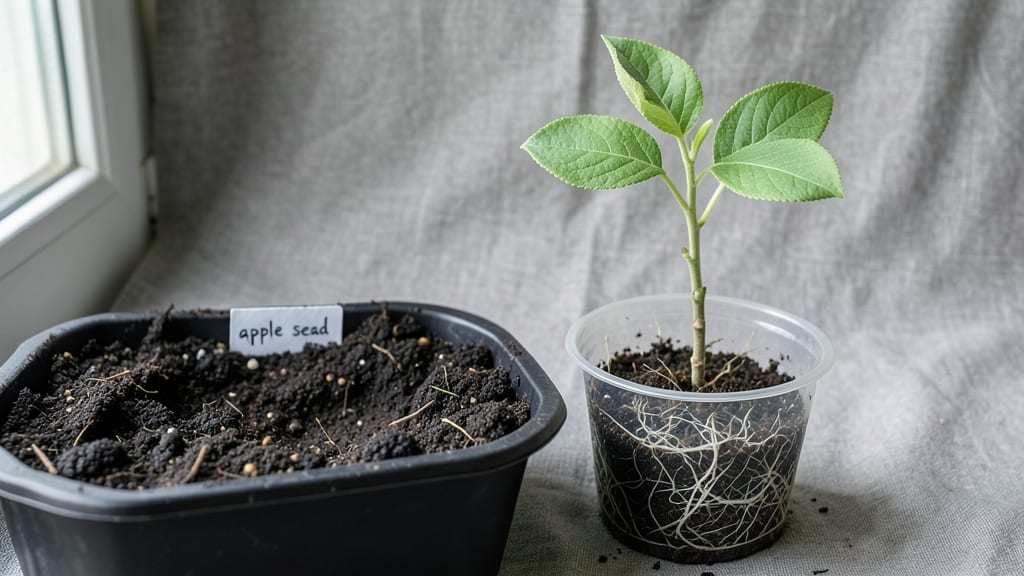
Propagating fruit trees from seed taps into nature’s own nursery—though patience is the real prize. 🌱 The journey from seed to sapling takes months, but the reward is a tree with roots in your soil and your story.
My first attempt with a peach pit taught me the hard way that germination isn't just about planting and waiting—it's about understanding the hidden cues in seeds and soil.
Most fruit tree seeds need a little help before they'll sprout. Apple, pear, and cherry pits often require stratification—a cold, moist period that mimics winter—while stone fruits like peaches and plums benefit from scarification (a quick sandpaper rub to break their tough coats).
The soil mix matters just as much: a blend of 60% potting soil and 40% perlite or sand keeps roots from drowning while allowing airflow.
By month three, you'll see tiny green leaves pushing through the soil—proof that persistence pays off. These seedlings grow slowly at first but gain strength with each watering and pruning.
The first year is about survival; by year two, you'll watch branches form and roots spread, setting the stage for a future harvest.
Even experienced gardeners hit snags—moldy seeds, stunted growth, or pests—but the solutions are simple once you know what to watch for. The key is staying consistent with moisture, light, and protection from drafts.
Before you know it, you'll be transplanting a sturdy young tree that carries the promise of fruit in just a few years.
📚 In This Guide
- What you need
- Instructions
- Tips and common mistakes
- Wrapping up and next steps
What you need
- ● Fresh, viable fruit seeds: 5–10 seeds per variety (ensure they’re from organic, disease-free fruit for best results).
- ● Well-draining potting mix: A high-quality seed-starting mix (e.g., Pro-Mix or FoxFarm Seedling Mix) or a blend of: 50% peat moss or coco coir
- ● 30% perlite or vermiculite
- ● 20% compost or worm castings
- ● Small seed trays or biodegradable pots: 2–3 inch diameter (4–6 trays/pots for 10 seeds).
- ● Plastic wrap or humidity dome: To retain moisture during germination.
- ● Spray bottle: With water (avoid over-saturating the soil).
- ● Grow lights or sunny windowsill: A full-spectrum LED grow light (12–16 hours/day) or a south-facing window with indirect light.
- ○ Heat mat (optional but helpful): A seedling heat mat (70–85°F) to speed up germination for tropical/subtropical seeds.
- ● Fertilizer (after germination): A balanced liquid fertilizer (e.g., 5-5-5 or fish emulsion) diluted to half-strength.
- ● Seed stratification kit: For seeds needing cold treatment (e.g., apples, cherries).
- ● pH meter or test kit: To ensure soil pH is ideal (most fruit trees prefer 6.0–7.0).
- ● Grafting tools: If you plan to graft seedlings later (e.g., rafting knife and rafting tape).
- ● Label markers: To track seed varieties and planting dates.
- ● Fine-mesh screen: For scarifying seeds (e.g., citrus, avocado) if needed.
Step-by-step instructions for propagating fruit trees from seed
Here's the straightforward method I've used to grow strong, healthy fruit tree seedlings—no fancy tools or guesswork.
🌱 Step 1: Select and Prepare the Seeds
Start with fresh, plump seeds from ripe fruit—older seeds germinate poorly. Remove any remaining fruit flesh and rinse the seeds thoroughly under cool water to remove sugars that can attract mold. I like to soak them in lukewarm water for 24 hours to soften the outer coating and speed up germination.
After soaking, place the seeds between two paper towels and fold them into a loose packet. Store this in a sealed plastic bag at room temperature (68-75°F) for another 24-48 hours. Check daily—they're ready when they begin to sprout a tiny white root.
🌱 Step 2: Prepare Containers and Soil
Use small, individual pots (about 3-4 inches wide) with drainage holes to prevent waterlogging. Fill each with a mix of 50% potting soil and 50% perlite or coarse sand—this ensures good drainage while retaining enough moisture. I like to sterilize the mix by microwaving it for 2 minutes to kill any pathogens.
Plant each seed about ½ inch deep, pressing gently but not compacting the soil. Space them evenly in the pot so roots have room to spread. Water lightly until the soil feels damp but not soggy—you want moisture without creating puddles.
💧 Step 3: Create Ideal Germination Conditions
Cover each pot with a clear plastic dome or wrap them in plastic wrap to retain humidity. Place them in a warm, dark spot (like a seedling heat mat set to 75-85°F) because light can inhibit germination. Check daily for condensation—if the plastic fogs up, remove it for 10 minutes to let excess moisture escape.
Germination can take anywhere from 2-6 weeks, depending on the fruit type. You'll know it's happening when you see a tiny sprout break through the soil. Once this occurs, remove the plastic cover immediately to prevent fungal growth.
☀️ Step 4: Introduce Light and Monitor Growth
Move the seedlings to a bright, indirect light source (like a south-facing window) once they sprout. Avoid direct sunlight at first—young seedlings can scorch easily. I use a grow light on a 14-hour cycle if natural light is insufficient, keeping it 2-3 inches above the plants.
Water gently when the top inch of soil feels dry, using room-temperature water. Overwatering at this stage can cause damping-off, so always let excess water drain away completely. You'll see the first true leaves (not the initial seed leaves) emerge within 2-4 weeks after sprouting.
🪴 Step 5: Transplant and Harden Off
When seedlings reach about 4-6 inches tall and have 4-6 true leaves, it's time to transplant them into larger pots (about 6-8 inches wide). Use the same soil mix and handle the roots gently to avoid damage. Water thoroughly after transplanting to help the soil settle around the roots.
Start hardening off the seedlings by placing them outside in a sheltered spot for 1-2 hours the first day, gradually increasing their time outdoors over 7-10 days. This prepares them for outdoor conditions and reduces transplant shock. Once they can handle a full day outside without wilting, they're ready for the garden.
Tips & tricks for perfect fruit tree propagation
These simple strategies will help you avoid common pitfalls and maximize your success rate when growing fruit trees from seed.
Seed Selection: Not all fruit seeds germinate easily—some varieties like avocado and mango have higher success rates than others like citrus. I've found that seeds from stone fruits (peaches, plums) often sprout within 2-3 weeks if you follow the soaking method exactly. The 24-hour lukewarm water soak is crucial for breaking dormancy in many seeds, but don't exceed this time or you risk softening the seed too much.
Soil Sterilization: The 2-minute microwave sterilization of your soil mix is a game-changer for preventing damping-off disease in seedlings. If you don't have a microwave, you can bake the mix at 200°F for 30 minutes instead. This step eliminates pathogens that could kill your delicate sprouts before they even get a chance to grow. Just be careful not to overheat—your soil should be warm but not smoking when done.
Germination Monitoring: During the 24-48 hour post-soak period, check your seeds daily for that tiny white root. This is your signal that germination is about to happen. I've seen seeds sprout within hours of developing that root, so be ready to plant them immediately. The plastic wrap helps maintain humidity, but remember to remove it for 10 minutes if condensation builds up—you want moisture, not a swampy environment.
Light Transition: When moving seedlings to light in Step 4, start with bright but indirect light. Direct sunlight can scorch tender new leaves, which is why I recommend a south-facing window or grow light. The 14-hour light cycle mimics natural daylight and prevents leggy growth. You'll know you're doing it right when you see those first true leaves emerge within 2-4 weeks after sprouting.
Pro Tips for Propagating Fruit Trees From Seed
- These simple strategies will help you avoid common pitfalls and maximize your success rate when growing fruit trees from seed.
- Seed Selection: Not all fruit seeds germinate easily—some varieties like avocado and mango have higher success rates than others like citrus.
- Soil Sterilization: The 2-minute microwave sterilization of your soil mix is a game-changer for preventing damping-off disease in seedlings.
Frequently asked questions
Got questions about growing fruit trees from seed? You’re not alone! Here are some of the most common concerns—and their answers—to help you navigate the process with confidence.
How long does it take for fruit tree seeds to germinate?
Germination timelines vary by species, but most fruit tree seeds take anywhere from 2 to 12 weeks. Citrus seeds often sprout in 2–4 weeks, while stone fruits (like peaches or plums) may take 4–8 weeks. Patience is key—keep soil moist and warm (around 70–80°F) to encourage faster sprouting.
Can I plant fruit tree seeds directly outside, or do I need to start them indoors?
For best results, start seeds indoors 6–8 weeks before your last frost date. Outdoor planting is risky because young seedlings are vulnerable to cold snaps and pests. Use seed trays or small pots with well-draining soil, and transplant only after the soil is warm and all danger of frost has passed.
Will seeds from store-bought fruit actually grow into the same variety?
Probably not! Store-bought fruit is often hybridized for flavor, size, or disease resistance, so seeds may not produce true-to-type trees. For consistent results, source seeds from heirloom varieties or grafted trees. If you’re experimenting, expect surprises—like a sour apple tree from a sweet Gala!
Why aren’t my seeds germinating? Troubleshooting tips?
If seeds refuse to sprout, check these common issues:
- Dormancy: Some seeds (like avocado) need stratification (cold treatment) or scarification (scratching the seed coat) to break dormancy.
- Moisture: Soil should stay consistently damp, not soggy. Use a spray bottle to avoid disturbing seeds.
- Temperature: Too cold (<50°F) or too hot (>90°F) can stall germination. A heat mat helps in cooler climates.
- Seed viability: Old or damaged seeds may not sprout. Test viability by soaking seeds in water—if they sink, they’re likely good!
What’s the best soil mix for germinating fruit tree seeds?
Use a light, sterile, and well-draining mix like:
- 50% peat moss or coconut coir (for moisture retention)
- 30% perlite or vermiculite (for aeration)
- 20% compost or worm castings (for nutrients)
Avoid garden soil—it can harbor fungi or pests. For tropical seeds (like mango or citrus), add a 50% sand mix to prevent rot.
Wrapping up and next steps
Propagating fruit trees from seed is a rewarding journey that connects you to the roots of nature—literally! 🌱 While patience is key, every sprouted seed is a promise of future harvests. Start small, stay consistent with care, and soon you’ll be nurturing a thriving orchard from scratch.
Ready to take the next step? Pick your favorite fruit tree seed, gather your supplies, and dive in! Whether you’re a beginner or a seasoned gardener, every seed planted is a chance to grow something extraordinary.