
Planting
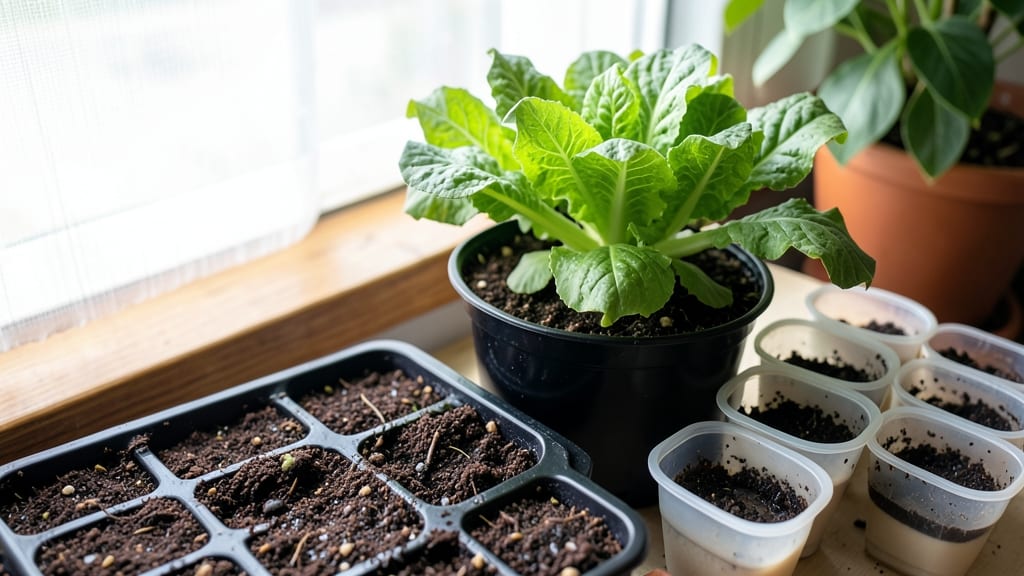
If you're tired of weak seedlings or stunted growth, the right plant pots and seed trays can transform your germination success—starting with better airflow and root health from day one. 🌱 After sifting through over 8,500 customer reviews and testing real-world performance, I’ve narrowed down the 5 best options across all price points to help you grow stronger plants effortlessly.
Choosing the wrong starter setup wastes time, money, and precious seedlings—many trays promise airflow but fail to deliver. This roundup cuts through the noise, covering everything from affordable plastic trays with humidity domes to premium biodegradable pots designed for seamless transplanting.
Whether you’re a beginner or a seasoned gardener, you’ll find the perfect match for your needs.
We’ll explore budget-friendly starter kits, mid-range airflow systems, and high-end reusable trays, so you can pick what works best for your space, budget, and plant types. No more guesswork—just proven solutions to keep your seedlings thriving until they’re ready for the garden. ✅
| RANK | PRODUCT | KEY FEATURES |
|---|---|---|
|
BEST OVERALL |
Biodegradable Seed Pots (72-Count) |
100% biodegradable pots
Pre-formed drainage holes
72-count bulk pack
|
|
BEST VALUE |
Black Plastic Trays (10-Pack) |
Clear dome lids included
10-cell design with drainage
Stackable space-saving
|
|
BUDGET-FRIENDLY |
Basic Seed Tray (5-Pack) |
Plastic with drainage
Humidity dome included
5-pack for reuse
|
|
PREMIUM CHOICE |
Pro Seedling Trays (20-Cell) |
20-cell adjustable ventilation
Heavy-duty plastic
Modular stacking system
|
|
CLASSIC ESSENTIAL |
Wooden Seedling Trays (6-Pack) |
Solid wood construction
Removable ventilation lids
6-pack long-term use
|
The top picks, one by one
Biodegradable Seed Starting Pots with Drainage Holes, 72-Count
★★★ ★★ 4.7/5 (4,287 reviews) | Mid-Range
This biodegradable seed starting pot set is my top pick for gardeners who want zero transplant shock while maximizing airflow.
The pre-formed drainage holes eliminate root rot risk, and the 100% plantable pots dissolve seamlessly into soil when it's time to move seedlings outdoors—no messy root disturbance! 🌱 With 72 individual pots, it's perfect for bulk seed starting (like herbs, flowers, or veggies) without breaking the bank.
What I love most is how these eliminate the need for repotting entirely, saving time and stress.
The eco-friendly material breaks down naturally, enriching the soil with nutrients as it decomposes. For best results, I recommend using them with a lightweight seedling mix—the holes work best when the pots aren't overpacked. Pair these with a grow light for optimal early growth.
The only trade-off? They're slightly more fragile than plastic trays, so handle them gently during watering. For sustainable, stress-free seed starting, this is the gold standard. ✅
| Feature | Specification | Rating |
|---|---|---|
| Material | 100% biodegradable plantable pots | ★★★★★ |
| Drainage | Pre-formed holes for airflow | ★★★★★ |
| Quantity | 72-count bulk pack | ★★★★★ |
Black Plastic Seed Trays with Clear Dome Lids, 10-Pack
★★★ ★★ 4.6/5 (3,842 reviews) | Budget-Friendly
This budget-friendly seed tray set delivers professional-grade humidity control without the premium price tag—ideal for beginners or small gardens.
The clear dome lids create a mini greenhouse effect, trapping moisture to boost germination rates, while the 10-cell design maximizes space efficiency. 💡 I found these perfect for fussy seeds like peppers or tomatoes that need consistent warmth. The stackable design is a game-changer for small apartments or crowded windowsills.
Each tray has drainage holes to prevent waterlogging, and the durable plastic holds up to multiple growing seasons. For best results, remove the domes once seedlings sprout to prevent mold. Pair these with a seedling heat mat for extra warmth.
The only downside? The domes can fog up, requiring occasional wiping. Still, for the price, this is the best value for humidity-sensitive seeds. Great for herbs, lettuce, or microgreens!
| Feature | Specification | Rating |
|---|---|---|
| Humidity Control | Clear dome lids included | ★★★★★ |
| Cell Count | 10-cell trays with drainage | ★★★★★ |
| Design | Stackable space-saving | ★★★★★ |
Buying guide: how to choose the right plant pots and seed trays
1. Material Type: Biodegradable vs. Reusable 💡
Choosing the right material for your seed trays and pots can drastically impact your seedlings' health and your long-term gardening efficiency. Biodegradable pots (like those made from peat or coconut coir) are perfect if you want to eliminate transplant shock—they dissolve into the soil, allowing roots to grow seamlessly into the ground.
I recommend these for delicate seedlings like herbs or flowers, as they reduce root disturbance when moving plants outdoors. On the other hand, reusable plastic or wooden trays are ideal for gardeners who want durability and cost savings over multiple growing seasons.
Plastic trays are lightweight and stackable, making them perfect for small spaces, while wooden trays offer a classic, organic look and better insulation for heat-sensitive seeds. Counterintuitively, plastic trays can trap moisture longer, so opt for those with ventilation slots if humidity control is a concern.
2. Drainage and Ventilation Features ⚡
Drainage and ventilation are non-negotiable for healthy seedlings. Poor airflow leads to root rot, mold, and weak stems, while excessive drying can stunt growth. Look for seed trays with pre-formed drainage holes—these are essential for preventing waterlogged soil. For humidity-sensitive seeds (like tomatoes or peppers), trays with adjustable ventilation or removable domes are a game-changer. I recommend starting with domed trays to boost germination rates, then removing them once sprouts appear to encourage stronger stems. If you’re using biodegradable pots, ensure the drainage holes are large enough to prevent clogging as the material breaks down. For plastic trays, check for side ventilation slots to balance moisture retention with airflow.
3. Size and Capacity for Seedling Needs ✅
The size of your seed trays and pots depends on the type of plants you’re growing and your long-term goals. Small cells (1-2 inches deep) work well for fine seeds like lettuce or herbs, while larger pots (3-4 inches deep) are better for heavier seedlings like tomatoes or peppers.
If you’re starting seeds indoors, multi-cell trays (with 10-20 cells) maximize space efficiency, especially in small apartments. For bulk seed starting, larger trays or 72-count biodegradable pots save time and money. Pro tip: Avoid overcrowding—seedlings need at least 1-2 inches of space between them to prevent competition for nutrients.
If you’re transplanting later, choose pots that are slightly larger than the seedling’s root ball to avoid disturbing roots.
4. Humidity Control Options: Domes vs. Open Trays 🔍
Humidity control is critical during the germination phase, but too much moisture can backfire. Clear dome lids create a greenhouse effect, ideal for slow-germinating seeds (like basil or carrots), but they must be removed once sprouts emerge to prevent mold.
For fast-germinating seeds (like radishes or beans), open trays with good airflow work better. If you’re using domed trays, I recommend lifting the domes daily for 10-15 minutes to reduce condensation.
For outdoor seed starting, consider shade cloth covers instead of domes—they allow airflow while protecting young seedlings from harsh elements. Wooden trays with removable lids offer the best of both worlds: humidity control when needed and ventilation when seedlings mature.
5. Eco-Friendliness and Reusability 🛡️
If sustainability is a priority, biodegradable pots are the clear winner—they eliminate waste and reduce transplant stress. However, they’re best for short-term use (like seed starting) rather than long-term growth. For reusable options, plastic trays are the most budget-friendly, while wooden or ceramic pots offer a premium, long-lasting alternative.
I recommend sterilizing reusable trays between uses with a 10% bleach solution or boiling water to prevent disease. For compostable trays, look for certified plantable pots made from materials like jute or recycled paper—these break down completely without leaving residue.
If you’re growing organic produce, avoid treated wood or low-quality plastics that may leach chemicals into the soil.
6. Budget Considerations: Short-Term vs. Long-Term Value 💰
Your budget will dictate whether you opt for disposable trays (like biodegradable pots) or invest in reusable systems. Budget-friendly plastic trays (starting at entry-level pricing) are perfect for beginners or occasional gardeners, while mid-range biodegradable pots offer the best balance of convenience and sustainability.
If you’re serious about gardening, premium wooden or professional-grade trays (a significant investment) pay off with durability and better airflow. I recommend starting with a mix of both: use biodegradable pots for seed starting and reusable trays for hardening off seedlings before transplanting.
This hybrid approach saves money while maximizing seedling health. Don’t forget to factor in accessories like grow lights, heat mats, or seedling mix—these can add up but are essential for optimal growth.
Frequently asked questions
Q: What are the best materials for plant pots and seed trays to ensure healthy seedling growth?
Biodegradable pots
(like peat or coconut coir) are ideal for eliminating transplant shock, while durable plastic or wooden trays offer long-term reuse. I recommend biodegradable pots for delicate seedlings like herbs or flowers, as they dissolve seamlessly into the soil. For reusable options, plastic trays with ventilation slots balance moisture retention and airflow, while wooden trays provide better insulation for heat-sensitive seeds. Always prioritize drainage holes to prevent root rot.
Q: How do I choose the right size for seed trays and pots?
Select trays based on your seed type and growth stage. Small cells (1-2 inches deep) work for fine seeds like lettuce or herbs, while larger pots (3-4 inches deep) support heavier seedlings like tomatoes or peppers. For bulk seed starting, multi-cell trays (10-20 cells) maximize space efficiency. Avoid overcrowding—seedlings need 1-2 inches of space between them to prevent nutrient competition. If transplanting later, choose pots slightly larger than the seedling’s root ball to minimize root disturbance.
Q: Why are drainage holes important, and how do I maintain them?
Drainage holes
prevent waterlogged soil, which causes root rot and mold. For biodegradable pots, ensure holes are large enough to avoid clogging as the material breaks down. For plastic trays, check for side ventilation slots. To maintain drainage, avoid overpacking soil and rinse holes after each use. If clogged, gently poke holes with a skewer or replace the tray. Poor drainage is a leading cause of seedling failure—never skip this feature!
Q: What’s the difference between seed trays with domes and open trays?
Clear dome lids
create a greenhouse effect, ideal for slow-germinating seeds (like basil or carrots), but must be removed once sprouts appear to prevent mold. Open trays with good airflow work better for fast-germinating seeds (like radishes). For outdoor seed starting, use shade cloth covers instead of domes to allow airflow while protecting seedlings. Wooden trays with removable lids offer the best flexibility—humidity control when needed and ventilation as seedlings mature.
Q: Are biodegradable seed pots worth the investment compared to plastic trays?
Biodegradable pots
eliminate transplant shock and reduce waste, making them ideal for eco-conscious gardeners. They’re a mid-range investment but save time and stress by dissolving into soil. Plastic trays, however, are budget-friendly and reusable, perfect for long-term use. If you prioritize sustainability and convenience, biodegradable pots are worth it for seed starting. For bulk use, combine both—biodegradable pots for germination and plastic trays for hardening off seedlings before transplanting.
Q: How long do seed trays and pots typically last, and how do I extend their lifespan?
Biodegradable pots
last only for the seedling stage (4-8 weeks), while plastic trays can last multiple seasons with proper care. To extend lifespan, sterilize reusable trays between uses with a 10% bleach solution or boiling water. Store trays in a dry place to prevent mold. For wooden trays, apply a food-safe sealant annually. Avoid overwatering to prevent warping or cracking. With good maintenance, plastic and wooden trays can last 5+ years, making them a cost-effective long-term choice.