
Watering
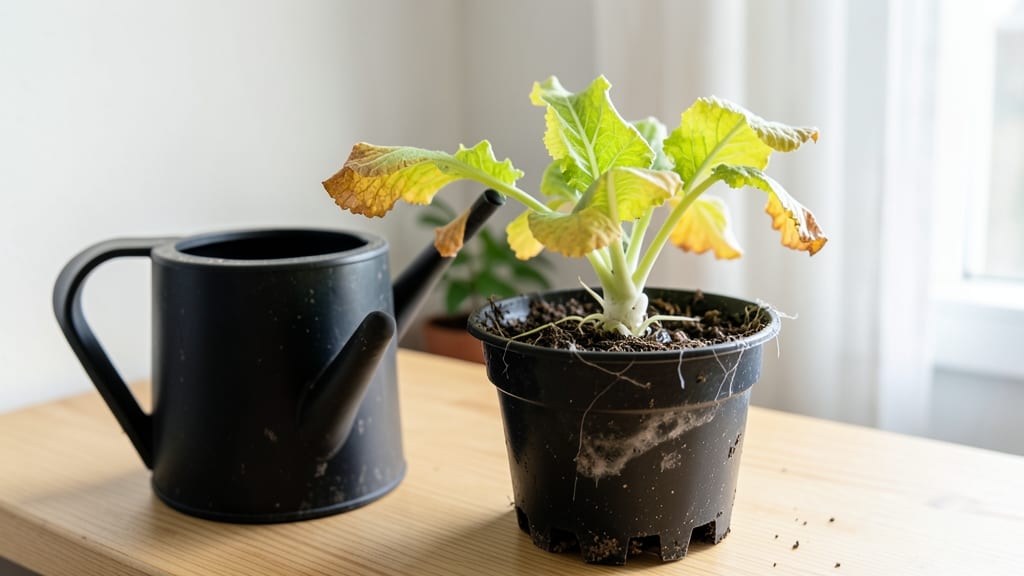
That sad-looking plant overwatered seedling with its yellow leaves and drooping stems might still be saved—here’s how to nurse it back to health. the right care. The key is acting fast and giving those roots room to breathe again.
Most seedlings get overwatered because the soil stays too wet for too long—think of it like a sponge that never dries out. Yellowing leaves and a mushy stem are classic signs, but sometimes the damage starts underground before you even notice.
The fix? Let the soil dry out slightly between waterings and make sure your containers have drainage holes.
Here’s the game-changer: once you’ve stopped watering, gently remove the seedling from its pot and check the roots. Healthy roots should be white or pale, while rotten ones are brown and slimy. Trim any damaged roots, replant in fresh, dry soil, and water lightly—just enough to moisten, not soak.
Prevent future soggy seedlings by using a well-draining mix and watering only when the top inch of soil feels dry. A moisture meter or your finger works perfectly for this.
With these tweaks, your seedlings will bounce back faster than you’d expect—and you’ll avoid the heartbreak of losing them to overzealous watering.
The Root Causes Of Overwatering
When your seedlings look more like sad, soggy noodles than thriving plants, it’s often because of overwatering. But why does this happen? The issue usually boils down to a mix of human habits, environmental factors, and soil science. Let’s dig into the most common reasons—and how to avoid them.
Soil isn’t just dirt—it’s a delicate balance of water, air, and nutrients. When you water seedlings without checking moisture, you risk drowning their roots. Here’s why:
- Compacted soil holds excess water like a sponge, suffocating roots and cutting off oxygen. Seedlings need aeration to breathe.
- Poor drainage in containers or trays traps water at the bottom, leading to root rot (a fungal nightmare).
- Overly fine or clay-heavy soil drains slowly, keeping roots saturated longer than they should.
Actionable fix: Stick your finger 1 inch into the soil—if it’s damp, wait. Use a mix of peat, perlite, and vermiculite for better airflow.
Many gardeners fall into the trap of watering every day at the same time, assuming consistency is key. But seedlings don’t follow calendars—they follow weather and soil conditions.
- Rain or humidity can keep soil moist longer than expected, making extra water unnecessary.
- Smaller pots dry out faster in hot sun, while larger containers retain moisture longer.
- Seedling type matters: Succulents hate dampness, while leafy greens tolerate it better.
Actionable fix: Water when the top inch of soil feels dry. Use a moisture meter for precision.
Not all pots are created equal. Some materials hold water like a fortress, while others let it escape too quickly. Here’s the breakdown:
| Container Type | Risk Level | Why? |
|---|---|---|
| Plastic pots (no drainage) | ⚠️ High | Water pools at the bottom, creating anaerobic zones where roots suffocate. |
| Terracotta pots | ✅ Low (if drained) | Porous material wicks away excess moisture—but only if holes are present. |
| Sealed grow bags | ⚠️ High | No airflow = trapped humidity = fungal growth. |
Actionable fix: Always use containers with drainage holes. Elevate pots on trays to catch excess water.
Hot, humid conditions trick you into thinking seedlings need less water—but the opposite is often true. Here’s the science:
- High humidity slows evaporation, so soil stays wet longer, even if it feels dry on top.
- Cold temperatures reduce root activity, meaning seedlings absorb water slower and risk sitting in soggy soil.
- Direct sunlight increases transpiration (plant sweating), but overcompensating with water can drown roots.
Actionable fix: Monitor humidity with a hygrometer. In hot climates, water early in the morning to reduce evaporation.
When seedlings are packed too tightly, they compete for resources—including oxygen. Crowded roots in wet soil create a perfect storm for rot and disease.
- Limited airflow between stems traps moisture, encouraging mold (like damping-off).
- Root systems tangle, making it harder for water to drain evenly.
- Thinning too late means you’re watering a jungle instead of individual plants.
Actionable fix: Thin seedlings to 1-2 inches apart and space pots for airflow. Use sterilized scissors to avoid spreading disease.
Reviving Overwatered Seedlings Fast
Now that you know why your seedlings might be drowning in too much love (💦), let’s fix them—before it’s too late! The good news? Most overwatered seedlings can bounce back with the right care.
Below, we’ll break down cause-specific solutions, step by step, so you can diagnose and rescue your plants like a pro.
Cause: Waterlogged soil cuts off oxygen, causing roots to rot and leaves to turn yellow or mushy.
Fix It:
- Remove from soggy soil 🔥
- Gently lift the seedling (or pot) and shake off excess water. If in soil, use a spoon to loosen the roots.
- Repot in fresh, dry mix 🍳
- Use a well-draining potting mix (add perlite or sand if yours is heavy). A small pot with drainage holes works best.
- Let roots air-dry ⏰
- Place the seedling in a shady, warm spot (70–75°F) for 12–24 hours to prevent further rot. Avoid direct sunlight—it stresses weakened plants.
- Water lightly after 24 hours 💧
- Dip your finger 1 inch into the soil. If it’s dry, give a sip of water (not a drink!). Wait until the top inch is dry before watering again.
Prevention Tip: 💡 Use a moisture meter or the "squeeze test"—if soil feels like a damp sponge, hold off on watering!
Cause: Root rot has set in. If stems feel soft or roots smell foul, this is an emergency.
Fix It:
- Trim the damage 🔪
- Snip off black, mushy roots with clean scissors. Healthy roots are firm and white/tan.
- Disinfect the cuts 🧼
- Dip pruned roots in hydrogen peroxide (3%) or cinnamon powder (natural antifungal) for 10 minutes.
- Repot in sterile mix 🌿
- Use a fresh potting mix (never reuse old soil—it may harbor pathogens). Add 1 part perlite to 3 parts soil for airflow.
- Skip watering for 3 days ⏳
- Let the roots recover before introducing moisture. Place the pot in bright, indirect light (no direct sun).
- Monitor closely 👀
- If new growth appears in 7–10 days, you’re on the right track! If not, the seedling may not survive—but try again with a new one.
Prevention Tip: ✨ Sterilize tools and pots with rubbing alcohol before repotting to avoid reinfection.
Cause: Overwatering without rot—usually from poor drainage or inconsistent watering.
Fix It:
- Check drainage 🚰
- Ensure pots have holes and trays underneath to catch excess water. If not, drill holes or switch to a new container.
- Water only when needed 📊
- Stick your finger 1–2 inches deep. Water only when the top 50% feels dry (varies by plant—succulents need less, herbs more).
- Use the “bottom-watering” trick 💧
- Place the pot in a tray of 1 inch of water for 10–15 minutes. Let it drain completely before returning to its spot. This encourages roots to grow downward for better stability.
- Improve airflow 🌬️
- Space seedlings 2–3 inches apart and use a small fan on low for 1–2 hours daily to mimic natural wind and reduce humidity around leaves.
Prevention Tip: 🔥 Group pots together to create a microclimate—this helps regulate moisture levels naturally!
Even after revival, avoid repeating mistakes with these proactive habits: - Upgrade your soil: Mix in orchid bark, coco coir, or vermiculite for better drainage. - Use self-watering pots wisely: These can still overwater—monitor soil moisture even with them! - Rotate pots regularly: Ensures even light exposure and prevents one side from staying soggy. - Choose the right plants: Some seedlings (like ferns) tolerate moisture better than others (like succulents).
Match your watering style to the plant.
Final Pro Tip: 🎯 When in doubt, underwater! Most seedlings recover faster from dryness than from rot. Better safe than sorry!
Frequently asked questions
How can I tell if my seedling is overwatered vs. underwatered?
Check the soil and leaves: Overwatered seedlings have yellow, mushy leaves that feel soft to the touch and may fall off easily. The soil stays damp for days, and you might see mold or a foul smell. Underwatered seedlings have crispy, brown leaf edges and dry, pulling soil. Stick your finger 1 inch deep—if it's bone dry, it's thirsty; if soggy, it's drowning.
What should I do if my seedling’s stem feels squishy and black?
That’s a red flag for root rot—act fast! Gently remove the seedling and trim away any black, mushy roots with clean scissors. Dip the remaining roots in hydrogen peroxide (3%) for 10 minutes to kill fungus, then repot in fresh, dry soil. Skip watering for 3 days and place it in bright, indirect light. If the stem stays mushy, the seedling may not recover.
Can I save an overwatered seedling by just stopping water for a week?
Not always—stopping water alone won’t fix root rot or fungal issues. You must remove the seedling from wet soil, trim damaged roots, and repot in fresh, dry mix. Let it air-dry for 12–24 hours before watering lightly. Think of it like first aid: you’ve got to clean the wound (roots) and give it a sterile environment to heal.
Why does my seedling wilt even after I water it?
Wilting after watering often means the roots can’t absorb moisture—usually from root damage or compacted soil. If the soil feels like a wet sponge and won’t drain, repot immediately. For wilting without soggy soil, the seedling might be transplant shock or overheated. Move it to shade and water only when the top 1 inch of soil is dry.
How do I prevent overwatering in my seedling trays?
Start with well-draining soil (mix in perlite or vermiculite) and pots with drainage holes. Water only when the top 1 inch feels dry, and use the "finger test" daily. Group trays together to create a microclimate that regulates humidity. For extra protection, try bottom-watering: place trays in a shallow dish of water for 10–15 minutes, then drain.