
Lawn
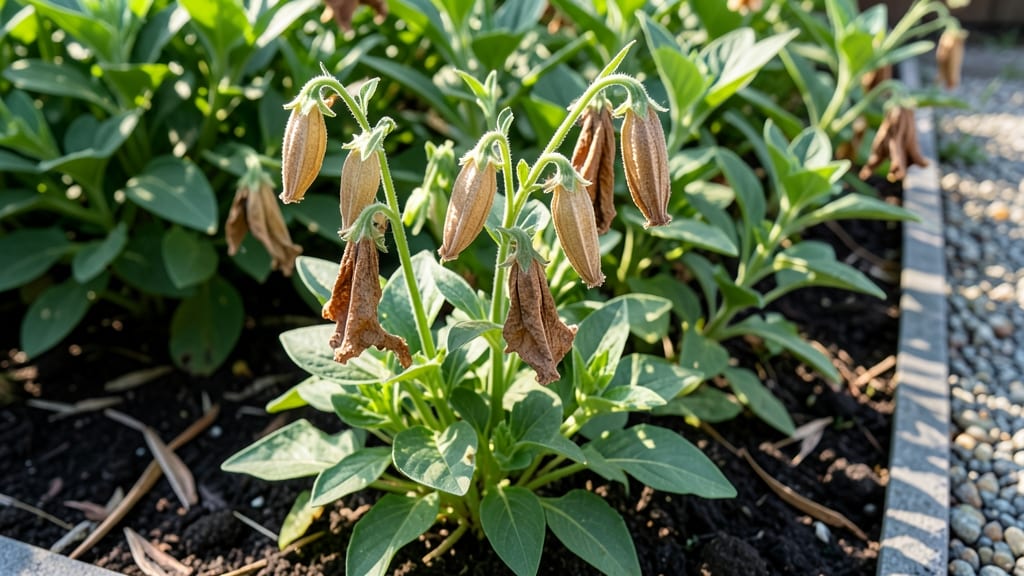
That petunia seed pods image of nature’s tiny treasure chests—except they’re harder to crack than a stubborn bolt. 🌸 The trick is letting them dry completely on the plant before harvesting, because forcing them open too soon means empty pods and wasted time.
I’ve learned the hard way that patience pays off here: if you wait until the pods turn brown and crispy, you’ll find plump seeds ready for next season’s blooms.
Start by snipping the dried pods with clean scissors and laying them on a paper towel to catch the seeds as they fall out. No need for fancy tools—just a quiet corner and a little time.
Most pods release seeds within 24-48 hours, but leave them longer if they’re still holding tight. Store the seeds in an envelope labeled with the variety and date; they’ll stay viable for 2-3 years if kept dry and cool.
When it’s time to plant, scatter the tiny seeds on top of moist seed-starting mix and barely cover them—they need light to germinate. Keep the soil damp (not soggy) and expect sprouts in 7-14 days.
The key is consistency: overwatering washes them away, while underwatering keeps them dormant. Once seedlings have their first true leaves, they’re ready to move into individual pots.
Here’s the part no one tells you: not all petunia seeds will grow true to the parent plant, especially if you’re dealing with hybrids. Save seeds from heirloom varieties for the most predictable results. And if your pods refuse to open?
Try gently squeezing them between your fingers—sometimes they just need a little encouragement. With this method, you’ll have a head start on next year’s garden without the guesswork.
📚 In This Guide
- What you need
- Instructions
- Tips and common mistakes
- Wrapping up and next steps
What you need
- ● Mature petunia plants – Choose healthy, blooming plants with fully developed seed pods (typically found after flowers fade).
- ● Digital camera or smartphone – A camera with a macro mode (or a close-up lens attachment) for crisp, detailed images of seed pods.
- ● Natural light source – A sunny windowsill or shaded outdoor spot to avoid harsh shadows.
- ● Small container or tray – A shallow dish (e.g., 9x13-inch baking pan) to place seed pods for easy viewing.
- ● Soft paintbrush or tweezers – For gently positioning pods without damaging them.
- ● White or light-colored background – A foam board or plain paper to enhance contrast in photos.
- ● Tripod or stabilizer – Keeps your camera steady for sharp images.
- ● Diffuser or reflector – Softens light for professional-quality shots.
- ● Magnifying glass – Helps inspect seed pods for signs of ripeness (e.g., browning or splitting).
- ● Notebook or labeling tags – To track petunia varieties if photographing multiple types.
- ● Spray bottle with water – Light misting can highlight textures (use sparingly!).
How to harvest petunia seeds naturally without the twisting fight
Skip the frustrating seed pod struggle—here's how to collect petunia seeds effortlessly.
🌿 Step 1: Identify and Select Mature Seed Pods
Look for seed pods that have turned brown and papery—this means they're fully mature and ready for harvesting. Avoid green pods; those aren't ready yet. I like to check plants in the late afternoon when the pods are dry and easier to handle. Gently squeeze a pod between your fingers—if it feels crisp and crumbly, it's time to harvest.
Petunia seed pods can be stubborn, so don't force anything. If a pod resists, it's not ready. You'll see the seeds inside as tiny, dark specks when you open it. Collect only the fully brown pods—green or partially brown ones won't yield viable seeds.
🪴 Step 2: Gently Open the Pods Without Losing Seeds
Place a clean, dry paper bag or envelope under the pod to catch the seeds as they fall. Use a small pair of scissors or fingernails to carefully slit the pod open along one side—don't cut too deeply, or you'll risk damaging the seeds inside. I find a sharp but controlled motion works best, almost like peeling open a pod of popcorn.
Once the pod is open, give it a light tap or shake it gently over the bag. The seeds should fall out easily. If they stick, the pod wasn't fully dry—wait another day or two and try again. Avoid crushing the pods, as this can damage the seeds or make them harder to collect.
💧 Step 3: Dry and Store Seeds Properly
Spread the collected seeds on a piece of clean paper in a dry, shaded area for 24-48 hours. This ensures any remaining moisture evaporates, preventing mold or rot. I like to place them near a dehumidifier or in a well-ventilated room to speed up the drying process. You'll know they're dry enough when they feel light and crisp to the touch.
Once dry, transfer the seeds to a small envelope or airtight container. Label it with the petunia variety and the harvest date—this helps track freshness. Store the container in a cool, dark place, like a pantry or seed drawer. Properly stored petunia seeds can remain viable for 2-3 years, though germination rates drop after the first year.
⏰ Step 4: Test Germination Before Planting
Before committing to a full planting, test a few seeds to ensure they're still viable. Place 5-10 seeds in a small container with moist seed-starting mix, covering them lightly with soil. Keep the container in a warm spot (around 70-75°F) and mist the soil gently to keep it moist. You should see sprouts within 7-14 days—if fewer than half sprout, the seeds may be old or poorly stored.
If germination is slow or uneven, try soaking the seeds in warm water for 12 hours before replanting. This can help break dormancy. Once you confirm the seeds are viable, you're ready to plant them in spring, following your usual petunia-growing routine.
Tips & tricks for perfect petunia seed collection
Here's what I've learned from years of battling stubborn petunia pods—these tricks make all the difference.
Timing is Everything: The late afternoon timing in Step 1 is perfect because that's when pods are fully dried from morning dew. If you harvest too early, the pods will be sticky and seeds will clump together. I've found that waiting until after 3 PM gives me the crispest pods every time—just like how morning coffee tastes best after the first sip of the day.
Pod Selection Visual Aid: Use this simple trick to test maturity: hold a pod up to a bright window. Fully mature pods will let light pass through the brown parts while green areas block light completely. This works because the brown indicates complete seed development inside. I keep a small flashlight handy for evening checks when natural light fades.
Drying Strategy: For the 24-48 hour drying period in Step 3, I place my seeds on a wire cooling rack over a bowl of silica gel packets. This creates airflow from all directions while preventing any moisture from rising back up. The silica gel absorbs any lingering dampness that regular air might miss. You'll know they're perfectly dry when they rattle slightly when shaken.
Germination Test Hack: When testing viability in Step 4, I use clear plastic cups instead of containers so I can see the roots developing without disturbing them. Place a small piece of clear tape on the outside of the cup near the soil line to mark the starting water level—this helps me maintain consistent moisture without overwatering. If you see roots growing through the bottom of the cup, you've got excellent germination potential.
Pro Tips for Petunia Seed Pods Image
- Here's what I've learned from years of battling stubborn petunia pods—these tricks make all the difference.
- Timing is Everything: The late afternoon timing in Step 1 is perfect because that's when pods are fully dried from morning dew.
- Pod Selection Visual Aid: Use this simple trick to test maturity: hold a pod up to a bright window.
Frequently asked questions
Got questions about petunia seed pods? You’re not alone!
Whether you’re saving seeds or just curious about those twisty pods, here are the answers you need to keep your petunias thriving.
Why do petunia seed pods twist and turn before opening?
Petunia seed pods twist as a natural mechanism to release seeds gradually. This dehiscence (the fancy term!) helps avoid overcrowding and ensures better seed dispersal. The twisting also protects seeds from harsh weather—nature’s way of timing things perfectly!
How long does it take for petunia seed pods to mature and open?
Seed pods typically mature in 4–6 weeks after flowering, depending on your climate. In warm conditions, they may open sooner, while cooler weather can delay the process. Keep an eye out for pods turning brown and drying—this is your cue that seeds are ready!
Can I collect seeds from petunia pods before they twist?
Yes, but timing is key! Wait until the pods are fully dry and brown (not green or soft). If you harvest too early, seeds won’t be viable. For best results, let them twist naturally—it’s a sign they’re almost ready. Pro tip: Wear gloves to avoid sticky sap!
What should I do if my petunia seed pods won’t twist or open?
If pods stay green or fail to twist, it could mean overwatering, poor pollination, or disease. Try:
- Ensuring full sun (6+ hours daily).
- Hand-pollinating with a soft brush if bees are scarce.
- Reducing water slightly to prevent rot.
Are petunia seeds from pods the same as store-bought seeds?
Not always! Seeds from pods may produce hybrids with mixed traits (like color or size) since petunias often cross-pollinate. For consistent results, stick to named cultivars from reputable seed companies. Save pods for fun or heirloom varieties—just don’t expect identical blooms!
Wrapping up and next steps
Understanding petunia seed pods and their natural release process can transform your gardening experience—no more frustrating twists or lost seeds! 🌱 These pods are a gardener’s secret weapon for effortless propagation, ensuring your petunias thrive year after year.
Whether you’re a beginner or a seasoned green thumb, embracing this process will save you time and frustration.
Ready to put your new knowledge into action? Start by harvesting those pods this season and watch your garden flourish with vibrant petunias. Happy gardening! 🌸